


Understanding the Real Cost of Imported Sweet Boxes
When buying packaging from an overseas manufacturer, the price printed on a quotation is only part of the story. Many buyers focus on the unit price of Sweet Boxes, but the actual cost of getting those boxes to a warehouse or distribution center can be quite different. Shipping fees, customs duties, import taxes, clearance charges, and other expenses may all affect the final amount.
This is where duty-paid landed cost becomes important. Instead of looking at the factory price alone, buyers need to understand the total cost of bringing their packaging from the production line to the final destination. A clear landed-cost calculation helps businesses avoid unexpected expenses and manage their purchasing budgets more confidently.
What Does Duty-Paid Landed Cost Mean?
Landed cost refers to the complete expense involved in delivering imported goods to their destination. Depending on the agreed shipping arrangement, it may include manufacturing costs, international transportation, insurance, customs duties, taxes, and customs clearance.
For custom Sweet Boxes, this approach gives buyers a more realistic picture of their investment. Rather than receiving a surprisingly large bill after shipment, businesses can review the expected costs before confirming an order.
Why Buyers Should Look Beyond the Unit Price
A supplier offering a lower production price does not always provide the most economical solution. For example, one manufacturer might quote a competitive factory price but exclude freight and import-related charges. Another supplier might offer a higher initial quotation with more delivery costs included.
Comparing these offers without considering the complete landed cost can lead to poor purchasing decisions. Smart buyers compare the total expected expense, not simply the price per box.
Better Budget Planning for Packaging Orders
Packaging costs directly influence product margins, especially for chocolate brands, bakeries, candy retailers, and confectionery wholesalers. When businesses order Sweet Boxes in large quantities, even a small difference in shipping or import charges can have a noticeable impact on the overall budget.
A transparent cost breakdown allows purchasing teams to estimate their expenses before production begins. They can calculate the expected cost per unit, compare suppliers, and decide whether a particular packaging style fits their financial targets.
For seasonal products, this becomes even more important. Valentine's Day, Easter, Halloween, Christmas, and other gift-giving occasions often involve strict sales deadlines. Unexpected import charges can affect both inventory planning and promotional budgets.
Avoiding Hidden Fees During International Shipping
International packaging orders may involve several additional charges. These can include customs brokerage fees, port handling, documentation expenses, import duties, and local delivery fees.
Not every quotation includes these expenses. Buyers should therefore ask suppliers to explain exactly what is covered by their delivery terms.
When purchasing customized Sweet Boxes, it is helpful to request a written quotation showing the product price, shipping arrangement, estimated taxes, and any excluded charges. This simple step makes communication much easier and reduces the risk of misunderstandings.
Making Wholesale Purchasing More Predictable
Wholesale buyers usually work with fixed budgets and expected profit margins. A sudden increase in delivery expenses can make a previously attractive order much less profitable.
With a duty-paid delivery arrangement, where properly agreed and applicable, buyers can have greater visibility into their expected total payment. This makes it easier to plan repeat purchases, negotiate long-term supply agreements, and maintain stable packaging costs.

Custom Packaging That Matches Your Brand
Cost control should never mean sacrificing packaging quality. The right Sweet Boxes need to protect confectionery products while presenting a professional brand image.
Manufacturers can offer different customization options, including folding cartons, rigid gift boxes, drawer-style boxes, magnetic closure boxes, and window packaging. Each style creates a different customer experience.
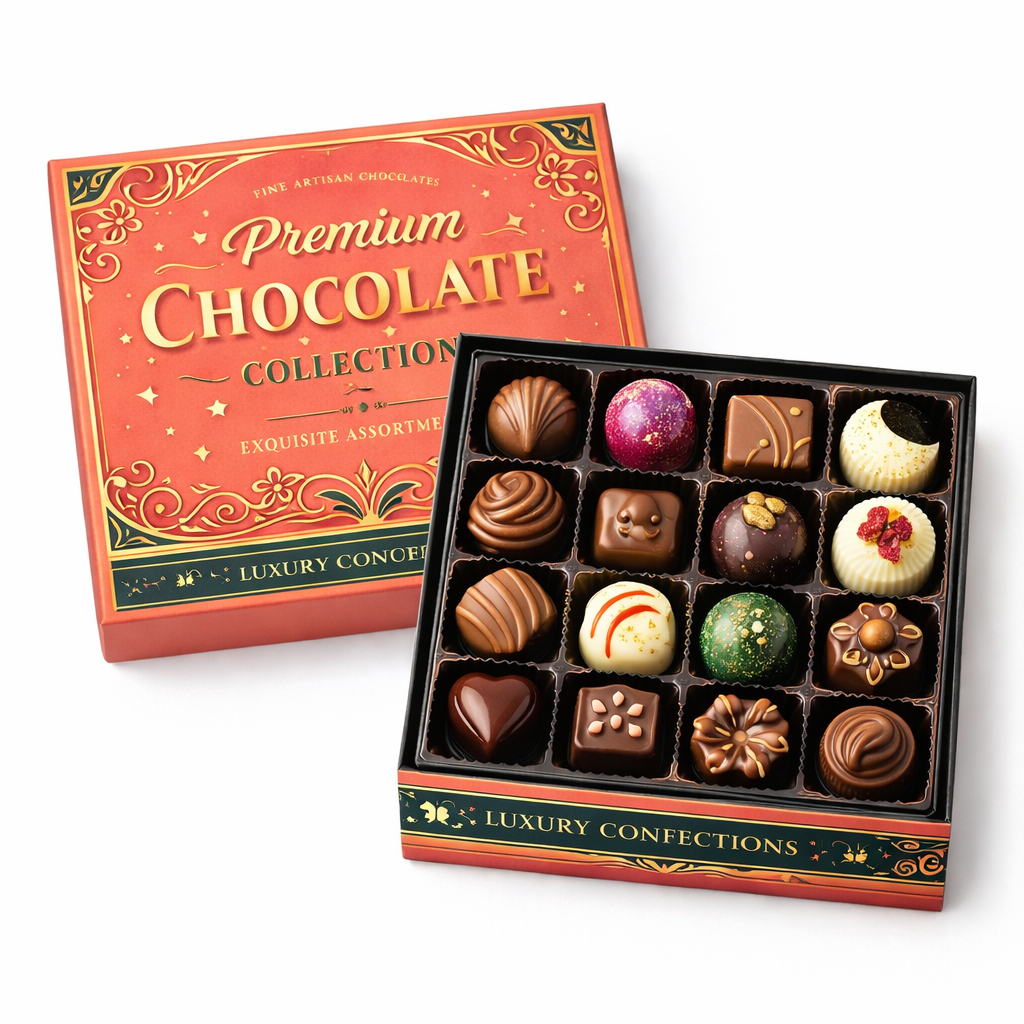
For premium chocolate collections, rigid boxes with textured paper, foil stamping, or embossed logos can create a more luxurious appearance. For everyday candy products, lightweight folding cartons may offer a practical balance between appearance and shipping efficiency.
Materials and Printing Options
Material selection has a direct effect on production costs, packaging weight, and shipping expenses.
Common materials include:
- White cardboard for clean, colorful retail packaging.
- Kraft paperboard for a natural and simple appearance.
- Coated paperboard for high-quality printed graphics.
- Rigid board for premium gift packaging.
- Food-contact-compatible inner materials for suitable product applications.
Printing options can also influence the final quotation. CMYK printing is useful for colorful artwork, while Pantone colors help maintain consistent brand shades. Additional finishes, such as matte lamination, gloss coating, hot foil stamping, and embossing, can make Sweet Boxes stand out on retail shelves.
The best choice depends on your target market, product positioning, order quantity, and overall budget.
Packaging Design and Shipping Efficiency
An attractive design is valuable, but packaging dimensions also deserve attention. Oversized boxes may increase freight expenses and require more storage space.
A well-designed package should fit the product securely without using unnecessary material. Manufacturers can help adjust box dimensions, improve structural strength, and explore packaging layouts that use shipping cartons more efficiently.
For international buyers, these small design improvements can reduce transportation costs while keeping the product presentation attractive.
What Is DDP Shipping?
DDP stands for Delivered Duty Paid. Under this Incoterms rule, the seller takes responsibility for delivering the goods to the agreed destination and handling import clearance, including applicable import duties and taxes, subject to the precise contractual arrangement and local regulations.
For buyers importing Sweet Boxes, DDP can make the purchasing process more convenient because the seller coordinates more of the international delivery process.
However, buyers should understand that DDP does not automatically mean every possible expense is covered. The quotation and sales agreement should clearly identify the destination, included services, and any exclusions.
DDP vs. DAP: What Is the Difference?
Another common shipping term is DAP, or Delivered at Place. Under DAP, the seller arranges transportation to the named destination, but the buyer generally handles import clearance and pays applicable import duties and taxes.
Here is a simple comparison:
| Shipping detail | DDP | DAP |
|---|---|---|
| International freight | Seller | Seller |
| Export clearance | Seller | Seller |
| Import clearance | Seller | Buyer |
| Import duties | Seller | Buyer |
| Import taxes | Seller | Buyer |
| Final delivery | Seller | Seller |
The actual responsibilities should always be checked against the agreed Incoterms 2020 rule and sales contract.
Questions to Ask Before Confirming an Order
Before placing an international order, buyers should ask a few important questions:
- Does the quotation include customs duties and import taxes?
- Is customs clearance included?
- Are local delivery charges covered?
- Which Incoterms rule applies?
- What happens if customs inspection causes additional expenses?
- Who is responsible for import documentation?
Getting clear answers before production helps prevent unnecessary disagreements after the goods leave the factory.
Accurate Quotations and Clear Communication
A professional packaging manufacturer should provide more than a simple product price. Buyers need useful information about materials, dimensions, printing specifications, production quantities, and shipping arrangements.
For customized Sweet Boxes, suppliers should confirm the artwork, sample approval, production schedule, packaging method, and delivery destination before preparing a final quotation.
Clear communication is particularly important when buyers work with overseas manufacturers. Small differences in box dimensions, printing requirements, or shipping addresses can affect the final price.
Production Planning and Quality Control
Production mistakes can create additional costs that are difficult to recover. Incorrect dimensions, color differences, damaged surfaces, and poor structural construction may result in rejected packaging or delayed product launches.
A reliable supplier should follow a quality-control process that includes material inspection, printing checks, structural testing where appropriate, and finished-product inspection.
Pre-production samples are also useful. They allow buyers to check the appearance, dimensions, opening structure, and overall quality before approving mass production.
Consolidated Shipping and Smart Order Quantities
Shipping efficiency is another important part of landed-cost management. Instead of arranging several small shipments, some businesses may benefit from combining packaging orders into one delivery.
For example, a confectionery brand ordering different sizes of Sweet Boxes may be able to consolidate suitable products into a single shipment. This can help reduce repeated handling and transportation expenses, depending on cargo volume and shipping arrangements.
Buyers should also consider the relationship between minimum order quantities and storage costs. Ordering more units may lower the factory price per box, but excessive inventory can tie up cash and create storage problems.
The goal is to find an order quantity that balances manufacturing efficiency, transportation costs, and actual sales demand.
Prepare Your Packaging Requirements in Advance
A successful international packaging order starts with a clear product specification. Before requesting a quotation, buyers should prepare the box dimensions, material preferences, printing artwork, finishing requirements, order quantity, and delivery location.
The more detailed the information, the easier it is for manufacturers to calculate accurate production and shipping costs.
For example, a chocolate company ordering 10,000 customized Sweet Boxes should confirm whether it needs individual compartments, protective inserts, special coatings, or premium exterior finishes. These details can significantly affect both the manufacturing price and shipping volume.
Check Import Regulations in Your Destination Market
Different countries have different customs procedures, tax systems, and import requirements. Packaging materials, product descriptions, tariff classifications, and declared customs values may all influence the import process.
Buyers should work with qualified customs professionals when necessary to verify the correct HS code, applicable duty rate, tax treatment, and documentation requirements.
It is also important to remember that duty-paid shipping does not remove the need to comply with local regulations. Accurate product descriptions and honest customs declarations remain essential.
Build a Long-Term Relationship with Your Supplier
Working with the same packaging manufacturer over time can make international purchasing more predictable. Once a supplier understands your preferred materials, box structures, printing standards, and shipping destinations, future quotations can become more consistent.
You can also discuss repeat-order pricing, production scheduling, quality standards, and shipping arrangements.
For brands that regularly purchase Sweet Boxes, a stable supplier relationship can support better inventory planning and reduce unnecessary communication during busy sales seasons.
International packaging purchases should be about more than finding the lowest factory price. Businesses need to understand the complete cost of production, transportation, customs clearance, duties, and delivery before committing to an order.
Choosing duty-paid shipping arrangements can make importing Sweet Boxes easier when the responsibilities and costs are clearly agreed upon. Buyers can improve budget control, reduce unexpected expenses, and spend more time focusing on product development and sales.
At the same time, packaging quality, material selection, printing options, and supplier reliability should remain important parts of the purchasing decision. A beautiful package needs to protect the product, communicate brand value, and arrive on schedule.
Whether you are a chocolate manufacturer, bakery owner, candy retailer, or packaging wholesaler, transparent landed-cost planning can make international sourcing much smoother.
The best packaging partnership combines competitive manufacturing prices, consistent quality, reliable communication, and clear delivery terms. With the right planning and a trustworthy supplier, ordering customized Sweet Boxes internationally can become a much more predictable experience — with fewer surprises and better control over your business costs.
The landed cost of Sweet Boxes usually includes manufacturing, international shipping, customs duties, import taxes, customs clearance, and delivery fees, depending on the shipping agreement. Buyers should request a detailed quotation to understand the total expected cost before placing an order.
DDP (Delivered Duty Paid) means the seller takes responsibility for transportation, import clearance, and applicable duties and taxes until the goods reach the agreed destination. It makes importing Sweet Boxes more convenient for buyers who prefer a clearer delivery cost structure.
To avoid unexpected expenses, ask your supplier for a complete quotation covering production, shipping, customs duties, taxes, and local delivery. Confirm the Incoterms, destination address, and any excluded charges before approving your Sweet Boxes order.
Yes. Businesses can reduce shipping expenses by choosing suitable box dimensions, lightweight materials, efficient packaging structures, and consolidated shipments. Ordering an appropriate quantity of Sweet Boxes can also help balance production costs and transportation expenses.
Suppliers generally need your box dimensions, material preferences, printing requirements, finishing options, order quantity, and delivery address. Providing complete specifications helps manufacturers calculate production expenses and estimate the landed cost of customized Sweet Boxes more accurately.
Post time: Nov-04-2026


