


The food packaging industry is entering a new era—one shaped by sustainability, technology, changing buying behavior, and higher expectations for safety, branding, and convenience. What used to be seen as a simple protective layer is now becoming a strategic business tool.
For food brands, packaging is no longer just about carrying a product from factory to shelf. It is now expected to preserve freshness, reflect brand identity, communicate values, and even create digital engagement. As consumer preferences continue to evolve, businesses that invest early in smarter food packaging solutions will be in a stronger position to stand out in increasingly competitive markets.
For manufacturers like Fuliter, this shift creates major opportunities. With expertise in custom paper boxes, food-safe structures, eco-conscious materials, premium printing, and scalable OEM/ODM production, the future of packaging is not something to wait for—it is already being built.
Sustainability is no longer a niche concern in food packaging. It has moved into the mainstream, and in many categories, it is quickly becoming a baseline expectation.
Food Packaging Is Moving Toward Simpler, Recyclable Materials
One of the biggest shifts is the rise of monomaterial food packaging. Instead of combining multiple difficult-to-recycle layers, brands are looking for packaging structures made from a single material family wherever possible. Paper-based packaging, kraft paper solutions, and recyclable board formats are becoming more attractive because they are easier for consumers to understand and dispose of responsibly.
For brands selling bakery items, chocolates, snacks, tea, dates, or confectionery, this trend is especially relevant. A well-designed paper box can deliver both premium shelf appeal and a cleaner environmental story.
Eco-Friendly Food Packaging Is Becoming a Brand Signal
Consumers increasingly associate packaging choices with brand values. If the product is marketed as natural, premium, artisanal, or health-conscious, the packaging must support that positioning. That is why biodegradable materials, recycled paper, FSC-oriented sourcing, and low-impact printing are becoming central to modern packaging decisions.
This is also where custom manufacturers gain importance. A supplier that can balance appearance, structural performance, and environmental responsibility helps brands avoid the common mistake of choosing packaging that looks sustainable but performs poorly in shipping, storage, or display.
The next wave of food packaging is not just physical—it is digital too.
QR Codes and NFC Will Redefine Food Packaging Communication
More food brands are integrating QR codes into their packaging to extend the customer experience beyond the box or bag. A simple scan can lead shoppers to recipes, sourcing stories, ingredient details, sustainability data, promotions, or loyalty rewards.
This matters because modern consumers do not just buy products—they buy context. They want to know where something came from, how to use it, and whether the brand aligns with their values. Packaging becomes the first touchpoint for that conversation.
Smart Food Packaging Will Support Freshness and Safety
In the years ahead, technologies such as freshness indicators, tamper-evident features, and temperature-sensitive elements are expected to become more common, especially in higher-value or sensitive food categories.
For perishable foods, chocolates, baked goods, specialty snacks, and giftable foods, smart packaging can help reduce waste while building consumer trust. Even if not every product needs advanced sensor technology, the expectation for packaging to actively support freshness and safety will continue to grow.
Food Packaging Will Drive More Post-Purchase Engagement
Packaging is also evolving into a marketing asset that works after the sale. A beautifully designed box used once had a short lifespan in the brand journey. Now it can lead consumers into a digital ecosystem—social campaigns, reorders, subscription offers, seasonal launches, or behind-the-scenes storytelling.
Personalization used to be expensive, slow, and limited to major brands. That is changing fast.
Digital Printing Is Changing Food Packaging Production
Advances in digital printing are making short runs and design variation far more practical. This is especially useful for emerging food brands, seasonal promotions, limited-edition launches, and regional campaigns.
A chocolate box for Valentine’s Day, a holiday cookie box, or a premium tea gift set no longer needs to follow a one-size-fits-all format. Packaging can now adapt to campaigns, customer segments, and special events with far more flexibility than before.
Custom Food Packaging Supports Stronger Brand Identity
Consumers often form an impression before they ever taste the product. Packaging color, texture, structure, typography, and finishing all influence perceived quality. This is why custom food packaging is becoming a growth tool rather than just a packaging decision.
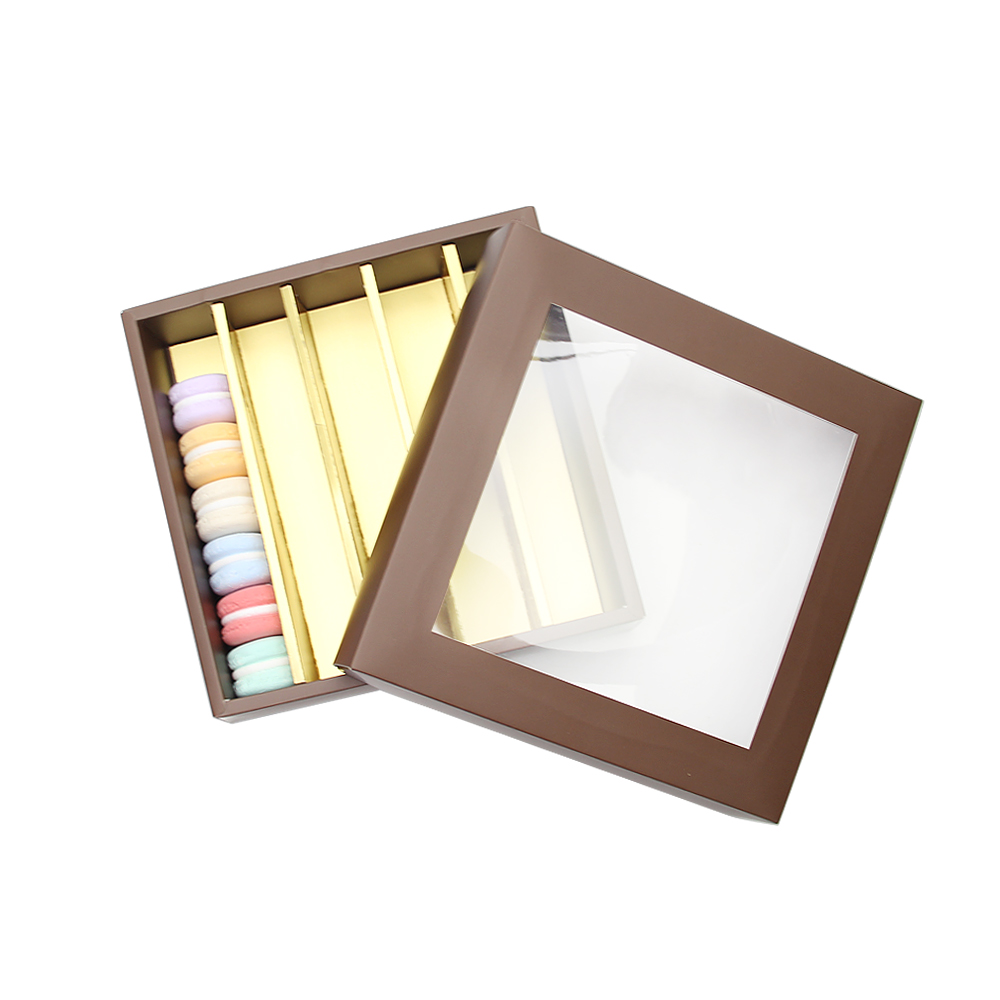
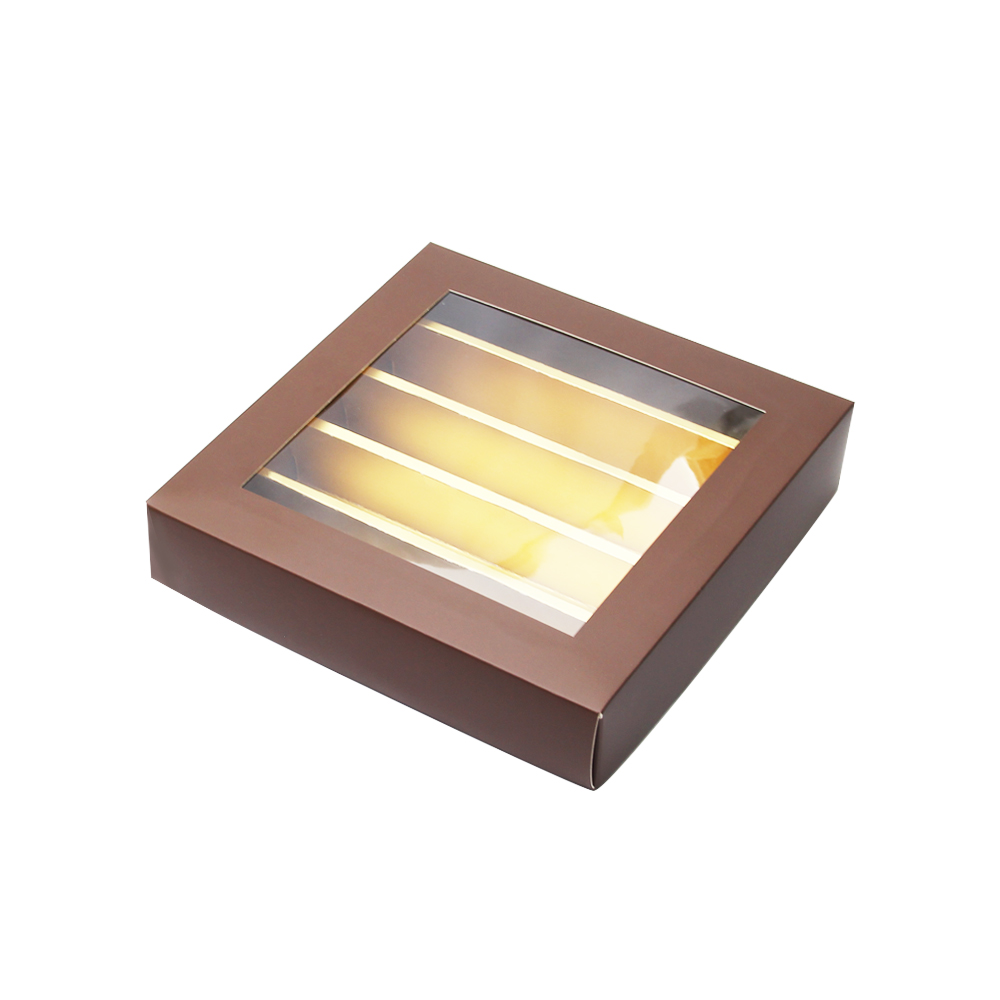
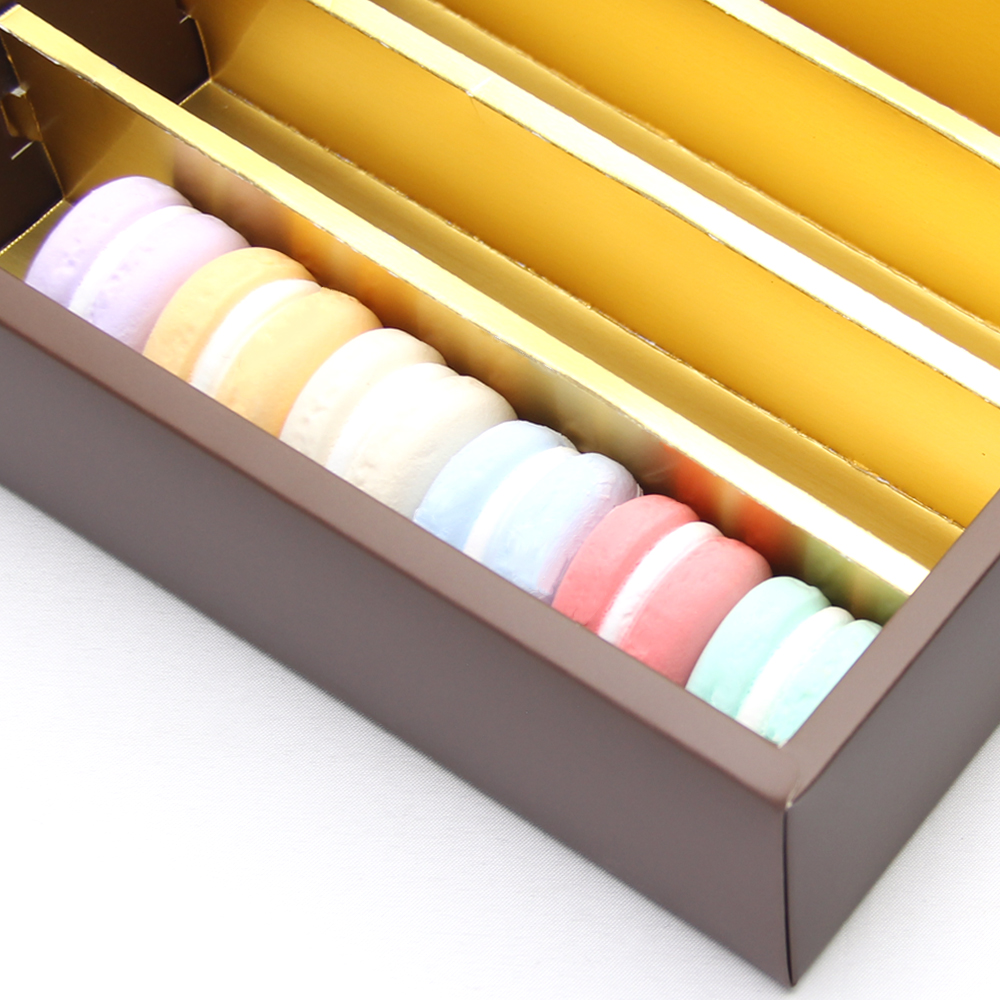
Elements like foil stamping, embossing, window cutouts, inserts, rigid structures, and matte or soft-touch finishes can elevate even a simple product into something memorable. When used strategically, these features improve both shelf impact and gifting appeal.
The Future of Food Packaging Is “Mass Customization”
By 2030, we are likely to see more brands combining automation with customization—producing packaging at scale while still allowing room for variety. That may include seasonal artwork, personalized messages, localized branding, or campaign-specific visuals.
As packaging evolves, one design direction is becoming especially clear: less noise, more clarity.
Food Packaging Design Is Shifting Toward Clean, Premium Simplicity
Modern food shoppers are overwhelmed by visual clutter. In response, many successful brands are moving toward cleaner packaging systems—more whitespace, stronger hierarchy, restrained color palettes, and a more deliberate use of materials and finishing.
This is not about making packaging boring. It is about making it intentional.
Minimalist food packaging often performs well because it communicates confidence. It suggests that the brand does not need to shout to be noticed. This approach is especially effective in premium chocolate, bakery, dessert, tea, and gourmet snack categories.
Structural Simplicity Matters as Much as Visual Simplicity
Minimalism is not only a graphic trend—it is also a structural one. Better packaging design often means fewer unnecessary layers, cleaner opening experiences, and more intuitive functionality.
Consumers appreciate packaging that is easy to open, easy to store, and easy to understand. In food categories, convenience and neat presentation often have a direct impact on repeat purchases.

Barrier Performance Will Stay Central in Food Packaging
Different foods require different packaging strategies. Dry goods, baked products, chocolates, sweets, and specialty items all respond differently to moisture, oxygen, grease, temperature, and handling.
That is why the future of food packaging will not be driven by aesthetics alone. Material science, structural engineering, and food-safe production standards will continue to matter deeply.
Paper-based packaging will keep growing, but the smartest solutions will be the ones that combine sustainability with practical barrier performance and transport durability.
Food-Safe Materials and Inks Will Matter More
As consumers and regulators become more aware of packaging safety, brands will need to pay closer attention to the materials and printing processes used in direct and indirect food contact packaging.
Choosing the wrong substrate, coating, adhesive, or ink can create both compliance risks and brand damage. Reliable packaging partners will need to offer not just attractive results, but also confidence in food-safe production practices.
The future of food packaging will be defined by a simple truth: packaging is no longer just packaging.
It is sustainability strategy.
It is product protection.
It is shelf communication.
It is digital interaction.
It is brand storytelling.
And increasingly, it is a growth lever.
From recyclable paper-based formats and lightweight structures to smart features, premium customization, and more intentional design, the industry is moving quickly. By 2030, the brands that lead will be the ones that start adapting now.
For companies looking to stay ahead, investing in custom, future-ready food packaging is not just a design decision—it is a business decision.
If your brand is preparing for the next generation of packaging, now is the right time to rethink what your box, bag, or carton should really be doing for you.
The biggest food packaging trends through 2030 include sustainable materials, recyclable paper-based solutions, smart packaging technology, personalized packaging design, and lightweight structures that reduce material waste. Consumers are paying closer attention to how packaging affects the environment, while brands are looking for ways to improve shelf appeal, product protection, and customer engagement at the same time. As a result, food packaging is becoming more functional, more interactive, and more closely tied to brand strategy than ever before.
Sustainable food packaging is becoming essential because customers, retailers, and global markets are all placing more pressure on brands to reduce environmental impact. Packaging is often the first visible sign of a brand’s commitment to sustainability. Using recyclable, biodegradable, or responsibly sourced materials can improve brand image and help businesses stay competitive in a changing market. In many food categories, eco-friendly packaging is no longer seen as a bonus—it is increasingly expected.
Custom food packaging helps a brand create a stronger first impression and communicate its value more clearly. A well-designed package can make a product look more premium, more trustworthy, and more memorable on the shelf or online. Elements such as unique box structures, special printing finishes, brand colors, and personalized design details can all help a product stand out in a crowded market. For many food brands, packaging is one of the most effective tools for building recognition and influencing purchase decisions.
Modern food packaging commonly uses paperboard, kraft paper, corrugated board, coated paper, and other food-safe packaging materials depending on the product type and protection needs. Many brands are moving toward paper-based packaging because it offers a balance of sustainability, printability, and premium presentation. However, the right material depends on factors such as shelf life, moisture resistance, grease protection, transport conditions, and the overall customer experience the brand wants to create.
Food brands should choose a food packaging supplier that can offer more than basic production. The right partner should understand packaging structure, food-safe materials, branding, printing quality, and the practical demands of shipping and storage. It is also important to work with a manufacturer that can support custom sizes, sampling, flexible order quantities, and scalable production for future growth. A reliable supplier helps ensure that packaging not only looks good, but also performs well in real market conditions.
Post time: Apr-09-2026


