


Have you considered how a paper cup is created? It’s hard to do. It's a quick and mechanical process. This is how a house-size roll of paper becomes a finished cup in seconds. It is the use of well designed devices, and several important steps.
We will be there with you all the way. Step one: We start with the right stuff. Then we continue printing, cutting and shaping the cup. Lastly, we address packaging. This guide is a technical venture into the modern world of paper cup production. It's one of those few ones that puts an example to the definition of something simple being born from great engineering.
The Groundwork: Selecting the Appropriate Materials
Quality of Paper Cup The most important thing in producing an ideal Paper cup is by identifying the right materials. This choice affects the safety and performance of the cup, but also its feel in your hand. The quality of raw materials is directly related to the quality of products.
From Forest to Paperboard
The life cycle of a paper cup begins in a forest. They’re made from wood pulp, that brown, fibrous stuff used to make paper. This material is used to form “paperboard” or one variety of the paper which is believed to be stronger and thicker in its character, sometimes described as “cup-board.”
For health and safety, we almost always have to use new or "virgin" paperboard. This material comes from sustainably managed forests. By using this type of paper, we can be sure that there are no contaminants. This makes it contact-safe for food and drinks. Paperboard is manufactured for cups mostly between 150 and 350 GSM (grams per square meter) in thickness. This metric achieves the smooth balance between strength and flexibility.
The Vital Coating: Making Paper Water-Resistant
Normal paper is not waterproof. The paperboard, pictured above, must have an extremely thin coating on the inside in order to hold liquids. This layer protects the cup from being soggy and leaking.
There are broadly two types of coatings being used as of now. Both have their advantages.
| Coating Type | Description | Pros | Cons |
| Polyethylene (PE) | A traditional plastic-based coating applied with heat. | Very effective, low cost, strong seal. | Difficult to recycle; requires special facilities to separate from paper. |
| Polylactic Acid (PLA) | A plant-based coating made from corn starch or sugar cane. | Eco-friendly, compostable. | Higher cost, needs industrial composting facilities to break down. |
This coating is important, as it leads to a paper cup that can safely contain hot coffee or cold soda.

The Automated Production Line: A Step-by-Step Guide to Making a Paper Cup
When the coated paper is ready, it is fed into an incredibly automated production line. Here, a piece of flat paper rests in the shape of your morning favorite cup. We can take a walk through the factory floor and watch how it’s done.
1. Printing & Branding
It begins with large rolls of coated paperboard. These rolls can stretch a mile. They are trucked into enormous printing presses.
Faster printers deposit logos, color schemes and designs on the paper. Food-safe inks help ensure that nothing dangerous comes into contact with the drink. This is when the cup gets its own brand identity.
2. Die-Cutting the Blanks
From the line, the large roll of paper is transferred to a die-cutting press. This machine is a giant, incredibly precise cookie cutter.
It creates a hole in the paper, that has the shape of two forms. The first, is a fan-shaped one, called the "sidewall blank." This is for the body of the cup. The second one is a small circle, the “bottom blank,” which will form the base of the cup. It’s important to make precise cuts here, so you don’t end up with leaks soon.
3. The Forming Machine—Where the Magic Happens
The cut blanks are now sent to the paper cup forming machine. This is the heart of the operation. According to experts, there are three main stages of the forming process that happen inside this single machine.
3a. Side Wall Sealing
The fan-type surrounding blank around a conical shape of the cavity mold is called as mandrel. This gives the cup its shape. A seam is formed by overlapping two edges of the blank. Rather than glue, we melt the PE or PLA coating through high frequency sound vibrations or heat. This fuses the seam together. It makes a nice, water tight seal.
3b. Bottom Insertion & Knurling
The machine then deposits the circular bottom piece into the bottom of the cup body. Knurling Both machines come with a form of knurling to make the perfect seal. It warms and flattens the bottom of the sidewall. This wraps it around the bottom piece. This makes a little puckered, compressed ring that secures the bottom. This makes it completely leak-proof.
3c. Rim Curling
The last operation in the forming machine is rimming. Top of cup has a tight rolled edge. This creates the smooth, rounded lip from which you drink. The rim serves as a sturdy cup reinforcement, adding strength to the cup and ensuring a secure fit with your lid.
4. Quality Checks & Ejection
Once the finished cups pop out of the forming machine, they’re not done yet. Sensors and cameras inspect every cup for defects. They check for leaks, bad seals or printing errors.
Perfect cups are then shot out through a series of air tubes. The cups, now neatly piled, are transported on these tubes to the packaging station. This automated machine is a key part of how you can make a paper cup quickly and cleanly.
Single-Wall, Double-Wall, and Ripple Cups: How Manufacturing Differs?
Not all paper cups are created equal, of course. The method above we have described in the previous was for a simple single-wall cup but what about cups for hot drinks? That is where double-wall and ripple cups come in. The process of how to make a paper cup is tweaked slightly for these insulated ideas.
- Single-Wall: The most common cup, constructed with a single layer of paperboard. Great for cold drinks or hot drinks that are not too hot for you to hold. The process of fabrication is exactly the one described above.
- Double-Wall: These cups provide better insulation. To start, create an inside cup like you would for a regular cup. Next, a second machine wraps an exterior paperboard layer around the completed inner cup. The first and second electrodes are spaced by a small separation or the like. This space is insulated against the bottom surface. It will help keep the drink hot and your hands comfortable.
- Ripple-Wall: We make ripple cups for ideal heat protection. This is analogous to the double-wall cup. An inner cup is formed first. Next, an outer layer of fluted, or “rippled,” paper is added. The wavy profile gives the block a lot of small air pockets. This is good insulation as well as a very secure grip.
Understanding these differences is important for any organisation that wants to choose the right cup for their needs.
Quality Control: A Glimpse Through an Inspector's Eyes
As a quality control manager my job is to make sure that every cup that leaves our factory is perfect. Speed is a great tool but safety and dependability are what matter most. We are always testing to ensure a great product.
We have a system of checks we do on random cups pulled from the line.
- Leak Testing: We fill cups with colored liquid and let them sit for several hours. We check for even the tiniest sign of a leak at the side seam or the bottom.
- Seam Strength: We pull cups apart by hand to check the integrity of their seals. The paper ought to rip before the sealed seam does.
- Print Quality: We review the print quality using a magnifying glass to look for smudge lines, color discrepancies and if any logos have shifted out of place. The brand relies on it.
- Formation & Rim Check: We check to see that our cups are 100% round. We also run a finger around the rim to ensure that it's even and properly curled.
This strict attention to detail is a hidden but crucial part of how a paper cup is made.
Customization for Every Occasion
The method of flexible production always has a great variety of solutions which will suit one's special needs. There isn't a sin!Logo mug is entirely different story for example. When we turn our hand to making cups, then they can be any length and breadth, broad or round alike
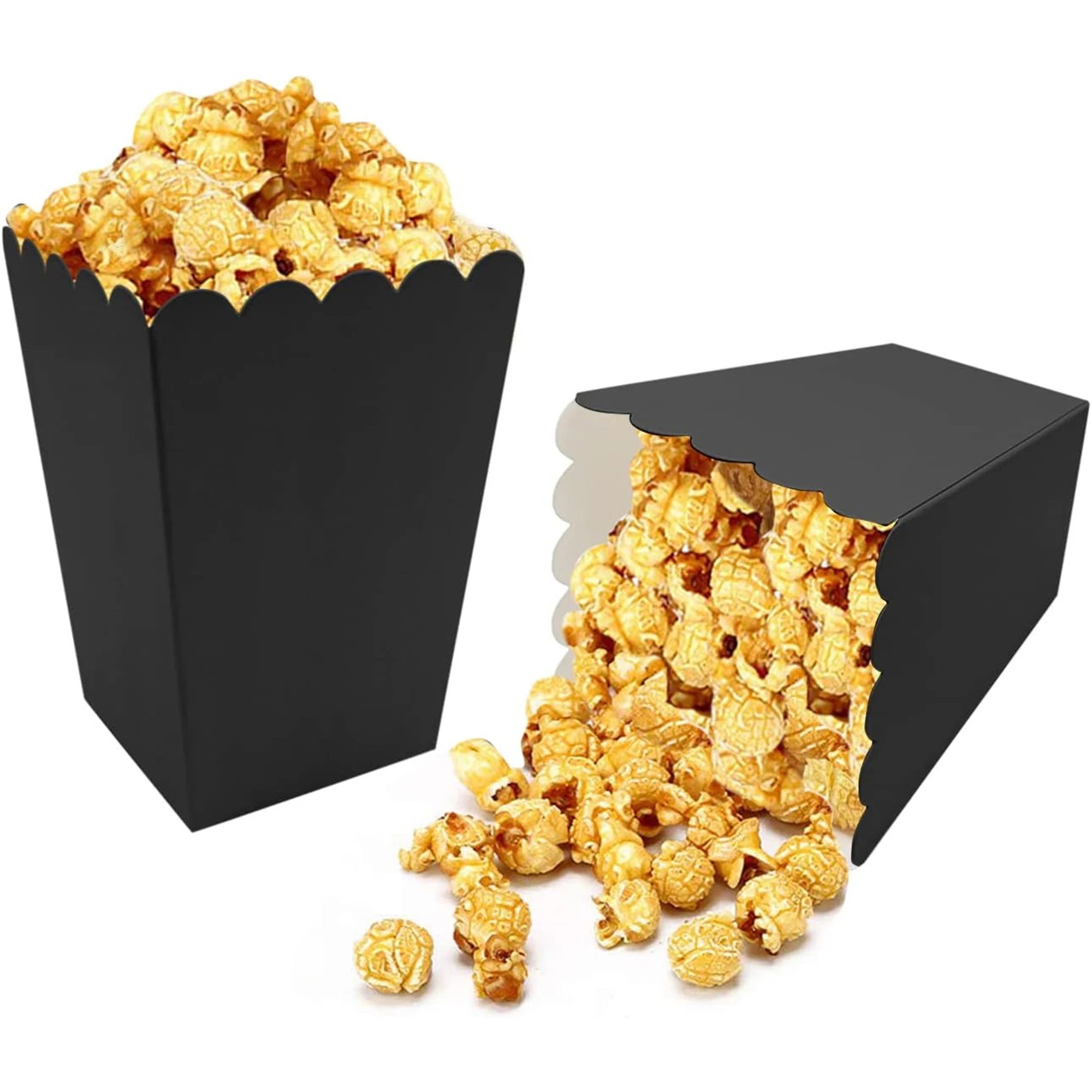
Cups are designed differently for various industries. A coffee shop needs a sturdy, insulated cup. A movie theater needs a large soda cup. A company hosting a promotional event might want a cup with a unique, eye-catching design.
For businesses that want to truly stand out, a custom solution is the best path. This could mean a special size, a unique texture, or a non-standard shape. Creating a package that perfectly matches a brand's identity helps it connect with customers.
Expert packaging providers, such as Fuliter Paper Box, specialize in this. We work with clients to turn their ideas into high-quality, real-world products. We guide them through every step of the process.
Frequently Asked Questions (FAQ)
Are paper cups really recyclable?
It's complicated. The paper is recyclable, but the thin PE plastic layer complicates things. Cups have to be taken to special facilities that can separate the layers. PLA-coated cups are industrially compostable, not recycled. This is because they require an industrial facility to decompose into shreds.
What kind of ink is used for printing on paper cups?
We use food-safe, low-migration inks. These tend to be water-based or soy-based. This prevents them from migrating into the drink or causing any health risk to the user. Safety is the highest priority.
How many paper cups can one machine make?
The new age style of paper cup forming machines are so fast. The cups produced by a single machine per minute will vary from 150 to over 250, depending upon the size of the cup and its complexity.
Is it possible to make a paper cup by hand at home?
That’s where you can fold paper into a simple, temporary cup — like origami. But producing a durable, waterproof cup the likes of which come from the factory is simply not feasible in your kitchen. Heat sealing of the body and to surface necessary for Liquid tax be strong and form leak proof when not in use The process using any special machinery.
Why do paper cups have a rolled rim?
Three essential functional elements are embodied in the rolled rim, or lip. For one thing, it provides some structural integrity to the cup so it doesn’t just collapse in your hand when you pick it up. Secondly, it provides a comfortable surface to drink by. Third, when a lid is affixed, it can give a snug closure.
Post time: Jan-21-2026


