


Packaging is far more than a protective layer for a product. A successful packaging design story reveals how brands combine creativity, strategy, and consumer understanding to create packaging that attracts attention and builds loyalty. For businesses looking to stand out in competitive markets, learning the story behind successful packaging design can provide valuable inspiration.
Companies such as those featured on Fuliter Paper Box (available at www.fuliterpaperbox.co) demonstrate how thoughtful packaging solutions can help brands elevate their products and strengthen brand identity. In this article, we will explore the essential elements behind successful packaging design, including research, collaboration, storytelling, sustainability, testing, and continuous improvement.
A compelling successful packaging design story always starts with research. Without understanding the target audience and the competitive landscape, even the most creative designs may fail to resonate with consumers.
Understanding the Target Audience
The first step in effective packaging design is identifying who the product is for. Designers must consider:
-
Age group and lifestyle
-
Purchasing behavior
-
Emotional triggers
-
Visual preferences
By understanding consumer expectations, brands can design packaging that instantly communicates value and relevance.
Studying Market Trends
Packaging trends constantly evolve. From minimalist aesthetics to bold colors and interactive packaging, staying updated with market trends ensures that designs remain modern and appealing.
Competitive Packaging Analysis
Analyzing competitors helps brands discover opportunities to differentiate their packaging. For example, if most products in a category use similar colors or materials, a brand can stand out by choosing a unique visual identity or structural design.

Another essential chapter in the successful packaging design story is collaboration. Packaging design is rarely the result of a single person’s idea—it emerges from teamwork across multiple departments.
Designers and Marketers Working Together
Designers focus on visual appeal, while marketers understand consumer psychology and brand messaging. When these teams collaborate, the result is packaging that looks attractive while also communicating the right brand message.
Product Developers and Engineers
Packaging must also protect the product and ensure efficient transportation. Engineers and product developers contribute technical expertise to ensure durability and functionality.
Aligning Packaging with Brand Identity
Collaboration ensures that the packaging reflects the brand’s overall identity. Colors, typography, and structural design should all reinforce the brand image and maintain consistency across product lines.
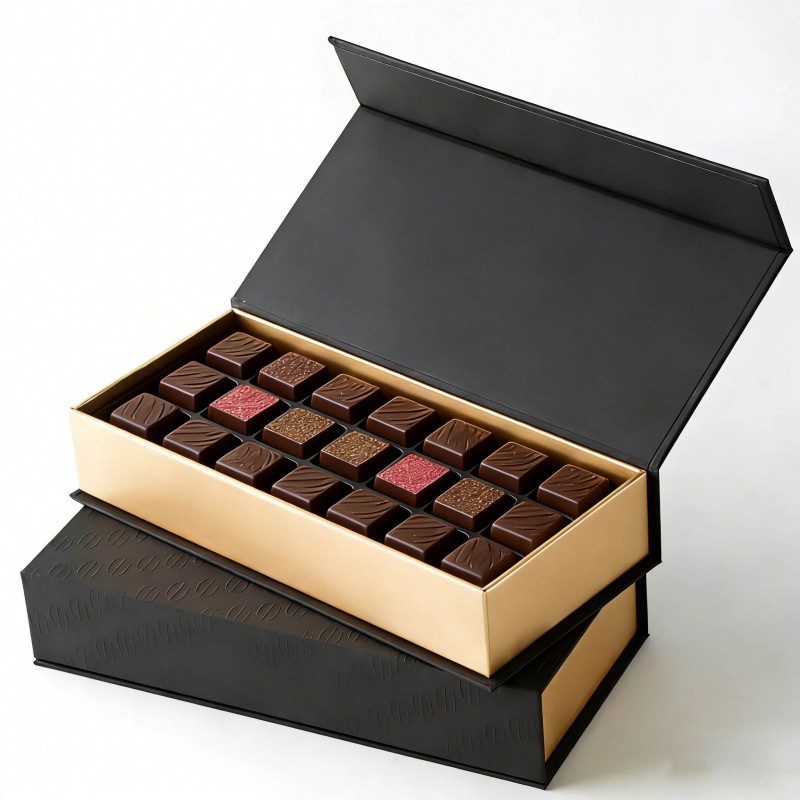
One of the most influential aspects of the successful packaging design story is storytelling. Modern consumers increasingly look for brands that share meaningful values and authentic narratives.
Communicating Brand Values
Packaging can communicate a brand’s mission, heritage, and philosophy. For example, a heritage brand might highlight its founding story, while a modern startup might emphasize innovation and creativity.
Creating Emotional Connections
Storytelling on packaging helps consumers form emotional connections with products. A compelling narrative can transform a simple product into an experience that resonates with customers.
Highlighting Unique Selling Points
Effective packaging storytelling also showcases what makes a product unique. This may include:
-
Premium ingredients
-
Handmade craftsmanship
-
Innovative production methods
By clearly communicating these elements, brands can build trust and encourage purchase decisions.
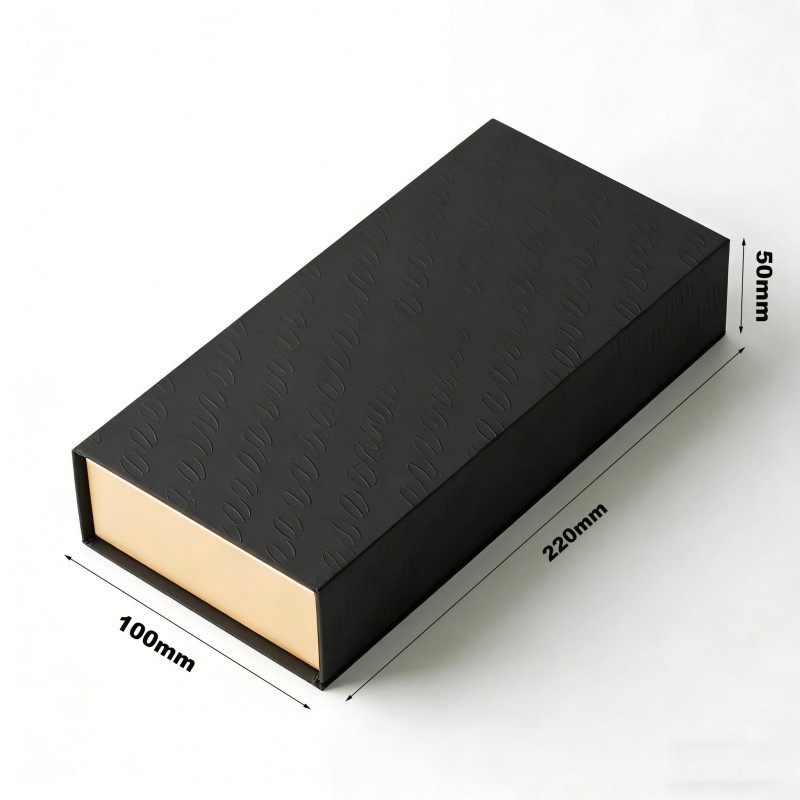
Sustainability has become a critical part of the successful packaging design story. Consumers today are more environmentally conscious than ever, and packaging plays a significant role in shaping brand perception.
Eco-Friendly Materials
Many brands are shifting toward sustainable materials such as:
-
Recyclable paperboard
-
Biodegradable packaging
-
Reusable containers
These materials reduce environmental impact and appeal to eco-conscious consumers.
Transparent Sustainability Communication
Brands that emphasize sustainability should communicate these efforts clearly on their packaging. Information about recyclable materials or responsible sourcing can strengthen consumer trust.
Sustainable Brand Image
Sustainable packaging not only helps the environment but also enhances brand reputation. Companies that demonstrate environmental responsibility often build stronger loyalty among modern consumers.
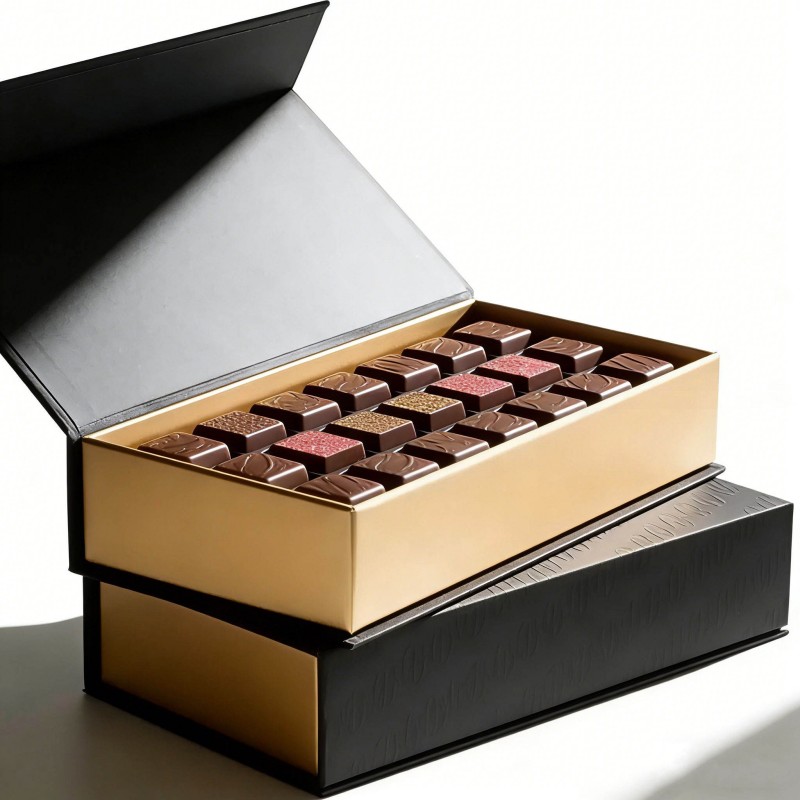
A crucial stage in the successful packaging design story is testing. Even well-designed packaging benefits from real consumer feedback.
Prototype Testing
Before launching new packaging, brands often create prototypes to test usability, durability, and visual impact. This process helps identify potential issues early.
Consumer Surveys and Focus Groups
Brands can gather insights by asking consumers questions such as:
-
Is the packaging attractive?
-
Is it easy to open and use?
-
Does it clearly communicate the product’s value?
These insights help refine the final design.
Continuous Improvement
Packaging design should be an ongoing process. By continuously collecting feedback and making improvements, brands can ensure that their packaging remains effective and competitive.
The story behind successful packaging design is a combination of creativity, strategy, and continuous learning. From in-depth research and cross-team collaboration to storytelling, sustainability, and consumer feedback, each step plays a vital role in creating impactful packaging.
Brands that understand these elements can develop packaging that not only protects their products but also communicates their values and strengthens their connection with consumers. By learning from successful packaging design stories and partnering with experienced packaging providers like Fuliter Paper Box, businesses can create packaging solutions that stand out in the marketplace and drive long-term growth.
A successful packaging design combines several key elements, including market research, brand storytelling, functionality, and visual appeal. Effective packaging should protect the product, attract consumer attention, and clearly communicate the brand’s identity. Companies such as Fuliter Paper Box focus on creating packaging solutions that balance aesthetics with practicality to help products stand out in competitive markets.
Market research helps brands understand their target audience, consumer preferences, and industry trends. By studying competitors and customer expectations, businesses can create packaging that resonates with buyers and differentiates their products on retail shelves. Without research, packaging may fail to connect with the intended audience.
Storytelling allows brands to communicate their values, mission, and unique selling points directly through their packaging. For example, a brand can highlight its heritage, craftsmanship, or sustainability practices. This approach helps create emotional connections with consumers and makes the product more memorable.
Yes, thanks to the arrival of digital printing it is now possible to order modest quantities at low cost. Most suppliers ask for Minimum Order Quanties (MOQs) of perhaps about 25 or 50 boxes. Even so, it is worth noting that your cost per box is appreciably lower when you order a large quantity.
Businesses can improve packaging by testing prototypes, collecting consumer feedback, and continuously refining their designs. Focus groups, surveys, and real-world product testing help identify areas for improvement. Partnering with experienced packaging manufacturers like Fuliter Paper Box can also help brands develop innovative packaging solutions that evolve with market demands.
Post time: Mar-16-2026


