


I’m going to be blunt. If you’re still wrapping your artisan chocolates in shiny plastic that’ll outlive your grandchildren, you’re not just hurting the planet—you’re hurting your business. I’ve been on the front lines of food packaging for years, and the shift I’m seeing right now is bigger than any trend. It’s a fundamental change in what consumers expect from the brands they love. They want eco friendly chocolate packaging, and they’re willing to pay more for it, switch brands for it, and tell all their friends about it.
This isn’t about sacrificing beauty or protection. The days of eco-friendly meaning “ugly brown cardboard” are long gone. Today’s green packaging is luxurious, tactile, and often more visually stunning than its plastic-heavy alternatives. Let’s walk through what’s available, what works, and how you can make the transition smoothly while actually strengthening your brand story.
Let’s clear up some confusion. Eco friendly chocolate packaging isn’t just one thing—it’s a spectrum of responsible choices. At its core, it means packaging designed to minimize environmental impact at every stage of its life cycle. This includes the raw materials (renewable, recycled, or FSC-certified sources), the manufacturing process (low-waste, low-carbon), and the end of life (recyclable, compostable, or reusable). For chocolate specifically, it also has to perform—protecting against humidity, grease, and melt without relying on petroleum-based plastic barriers.
Today’s consumers are savvier than ever. They’re looking for specific claims like “plastic-free,” “home compostable,” or “made from post-consumer recycled content.” Vague greenwashing doesn’t work anymore. When I talk to chocolate brands, I always emphasize that genuine eco friendly packaging is a tool for transparency, not a marketing gimmick. And the brands that get it right see incredible loyalty in return .
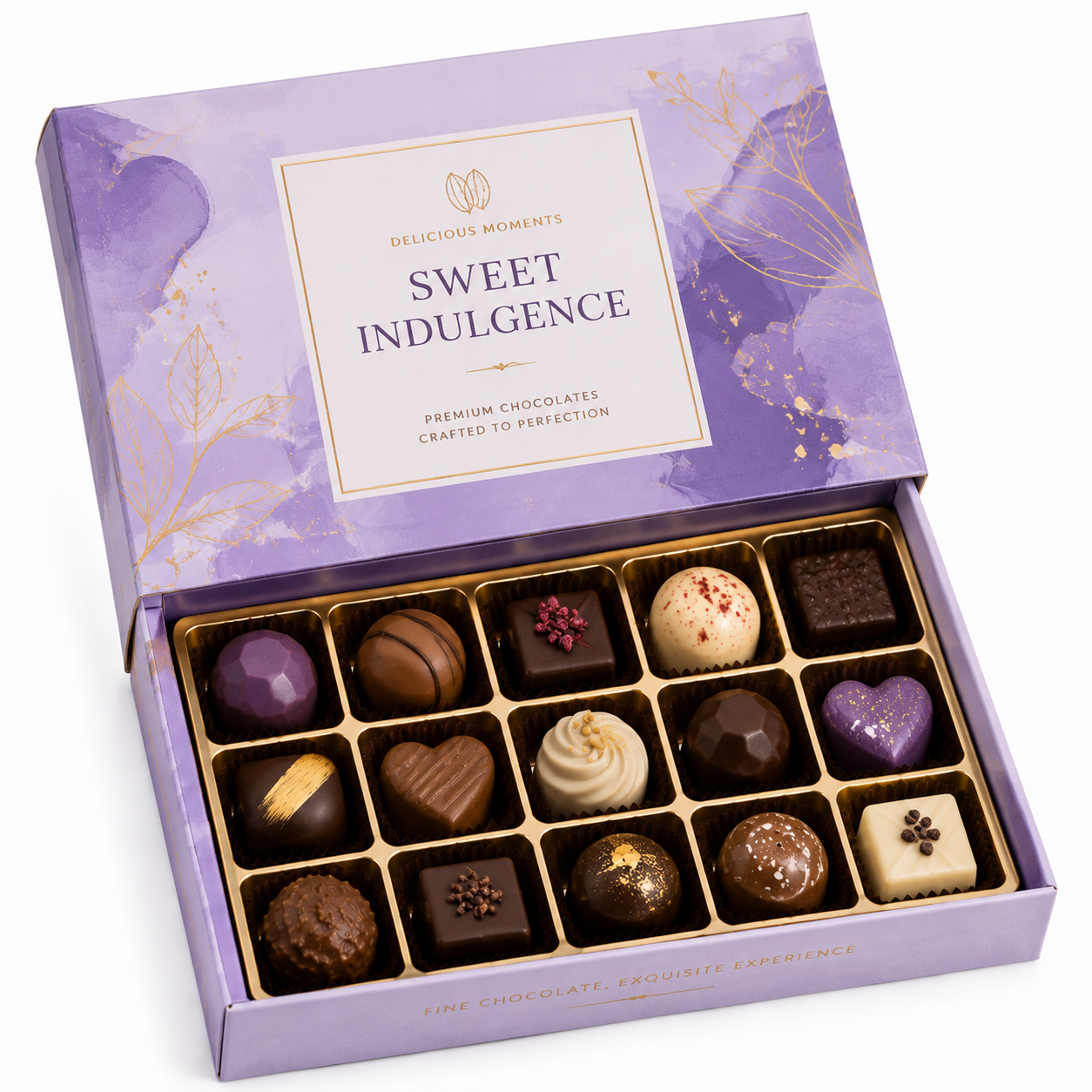
This is where things get exciting. There’s a materials revolution happening, and eco friendly chocolate packaging is at the heart of it. Glassine paper, for example, is having a major moment. It’s translucent, greaseproof, and fully biodegradable, making it a brilliant alternative to plastic windows. Then there’s plant-based PLA, derived from corn starch, which can be used for clear inner trays and compostable films—though you’ll want to check if your local facilities accept it.
For the box itself, FSC-certified rigid board and kraft paper are staples, but I’m seeing innovative suppliers now offering paper made from cocoa bean shells or upcycled agricultural waste. How poetic is that? Wrapping chocolate in paper made from the very plant that creates it. For inner cushioning, molded pulp trays made from recycled paper replace foam inserts beautifully. Even inks are going green—soy-based and algae-based inks are now readily available from forward-thinking packaging suppliers, ensuring the entire package is free of toxic residues.
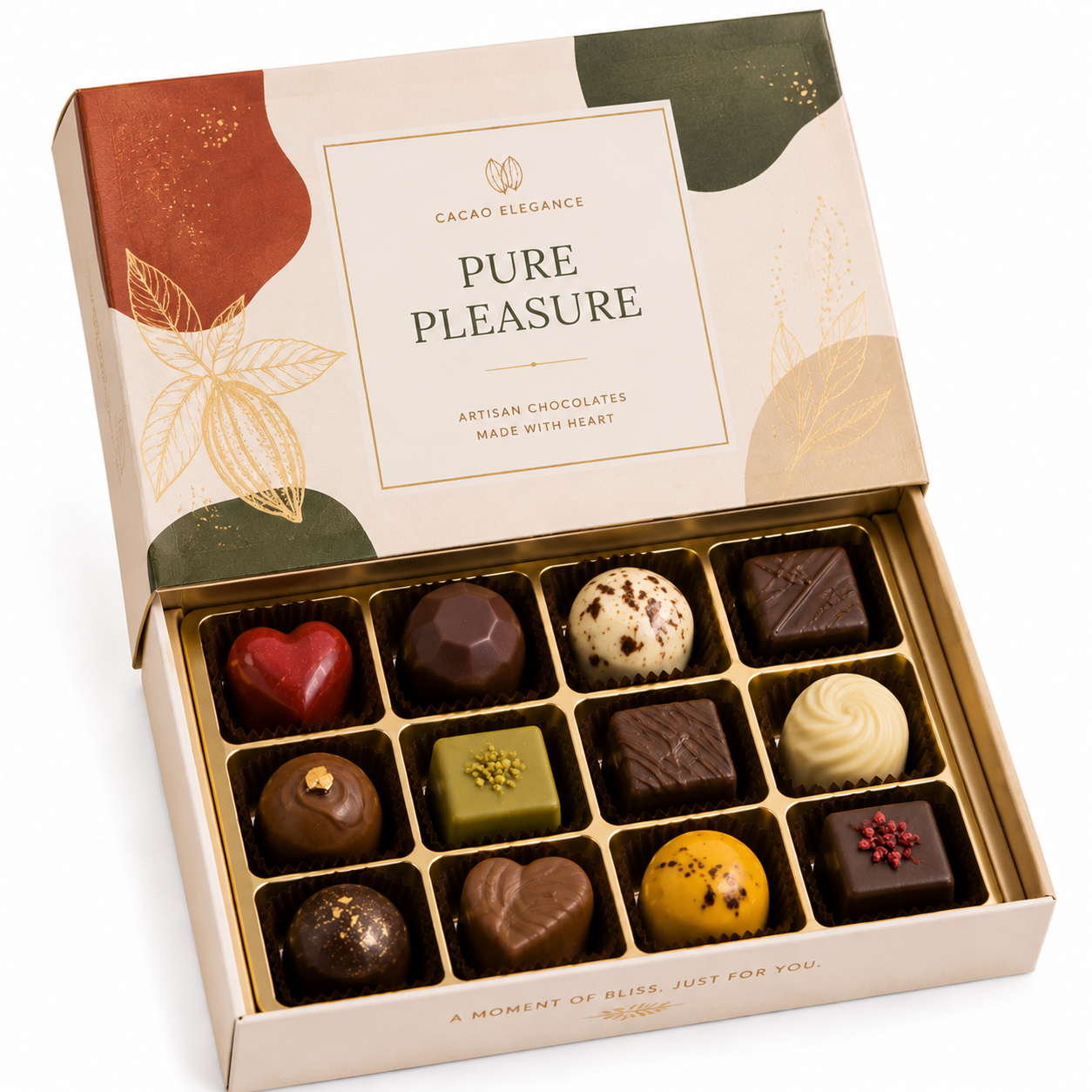
We are also offering finishing options such as glossy and matte look which gives the custom printed candy boxes a final touch. They can add sparkle to your design and also give added protection.
| Feature | Application | Cost Impact |
| Printing: Digital | Small quantities, complex color layouts | Low setup cost, high per-unit cost |
| Printing: Offset | High quantities, precise color matching | High setup cost, low per-unit cost |
| Finish: Gloss Lamination | For a bright, eye-catching look; it also protects | Low-Medium |
| Finish: Matte Lamination | For an elegant, classy, modern look | Low-Medium |
| Finish: Spot UV | To show a logo or highlight a specific design | Medium |
| Finish: Foil Stamping | For products with luxury and a premium feel (gold, silver) | High |
| Finish: Embossing/Debossing | Creating the feel of texture and the 3D effect | Medium-High |
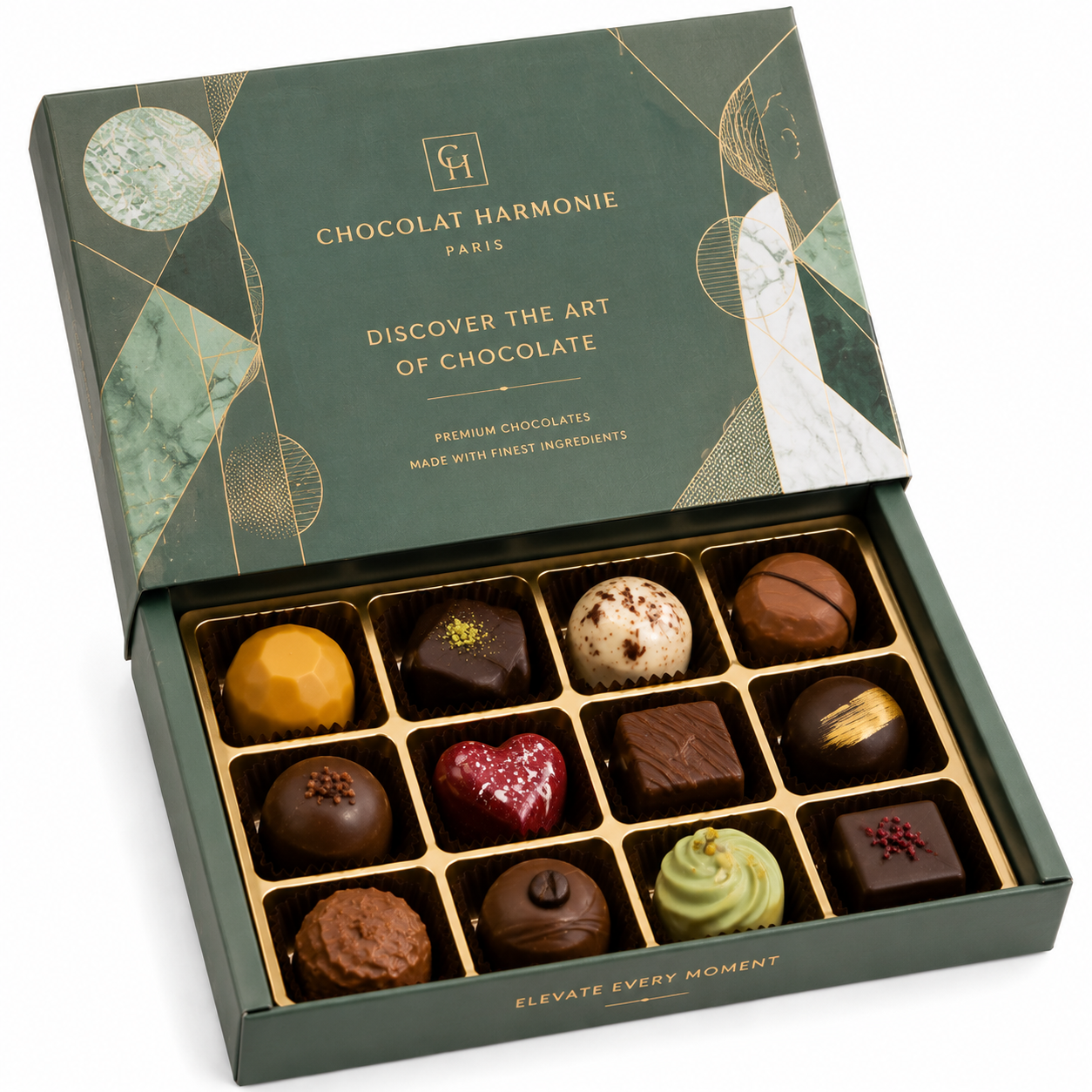
Packaging is storytelling, and eco friendly chocolate boxes tell a story that customers want to be part of. I’ve worked with brands that saw their social media engagement soar after switching to plastic-free packaging. Why? Because the unboxing became shareable. People love posting a beautiful package that aligns with their values, especially when it comes with a card explaining how to compost the box at home or that the inner wrap is made from seaweed extract.
Your brand narrative shifts from “We make delicious chocolate” to “We make delicious chocolate that cares for the planet.” That’s a powerful emotional hook. Use the inside of the lid to tell your sustainability story in one or two sentences. Print a small graphic showing the packaging’s end-of-life instructions. These little touches turn a one-time buyer into a repeat customer who feels good about their purchase every single time. And gift-givers, especially around holidays, love giving presents that are ethically packaged—it reflects well on them, too .
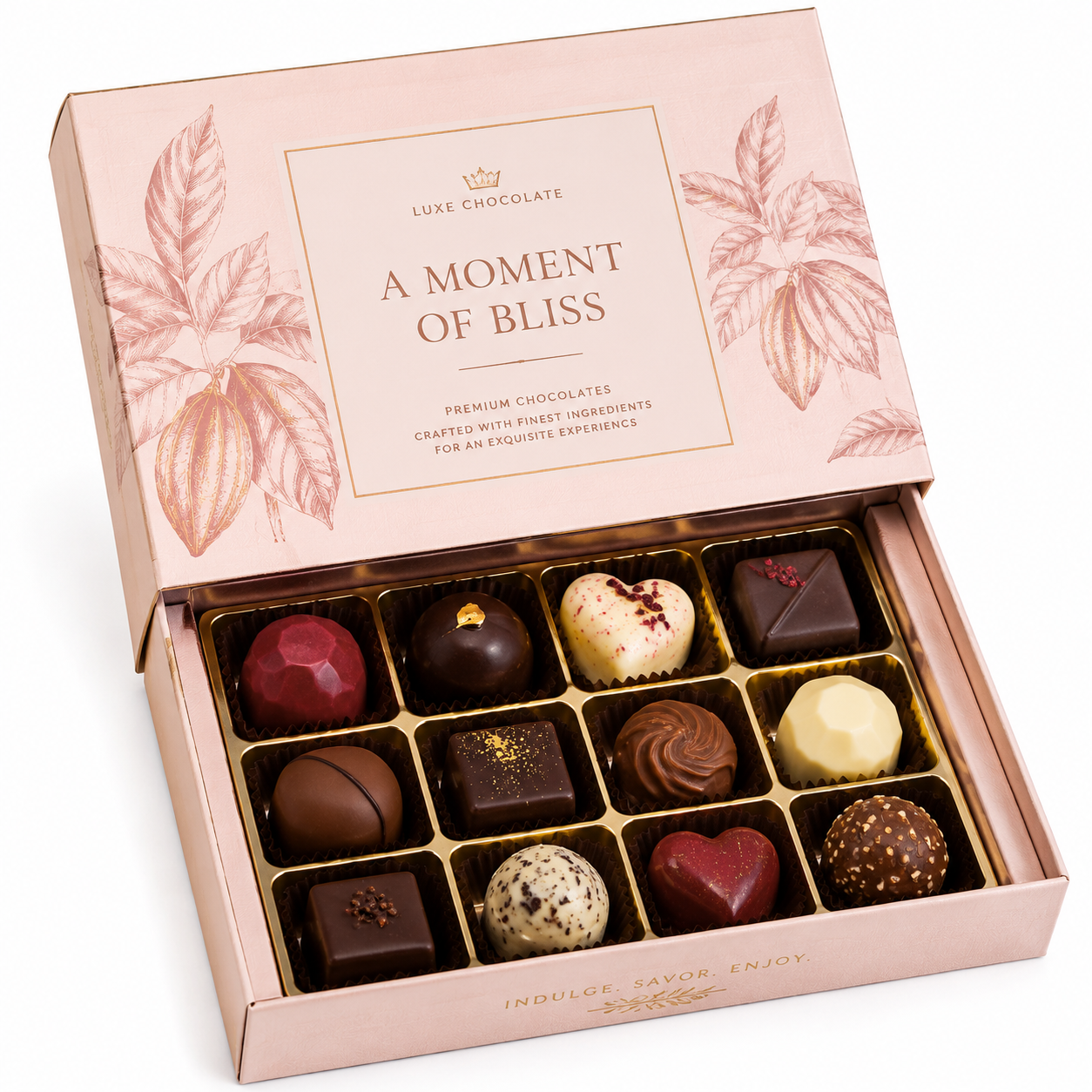
I hear this concern all the time: “Doesn’t eco friendly chocolate packaging cost a fortune?” The honest answer is that it used to. But as demand has surged, prices have dropped dramatically. Compostable films may still carry a 10-15% premium over conventional plastic, but that gap is closing every year. And here's the part many brands overlook: you can often use less material overall. Minimalist eco designs frequently use thinner, smarter structures that maintain strength while cutting material costs.
Moreover, consider the hidden savings. Plastic packaging taxes are being introduced in more regions, including the EU and parts of the UK, penalizing non-recycled content. By switching early, you avoid those fees. And don’t underestimate the revenue side. Consumers consistently report being willing to pay a premium for sustainably packaged goods. In many cases, the slight increase in packaging cost is more than offset by the ability to raise your product price slightly, especially if you communicate the “why” effectively on the box.
Choosing a partner for eco friendly chocolate packaging requires a different set of questions than traditional sourcing. Certification is key. Look for FSC chain-of-custody certification, which traces the wood fiber back to responsibly managed forests. If they offer compostable materials, ask for certifications like BPI (Biodegradable Products Institute) or EN 13432 for European compliance. A trustworthy supplier will openly share their certification numbers and test reports—if they hesitate, that’s a red flag.
Also, ask about their own manufacturing footprint. A truly green packaging supplier runs their facility on renewable energy where possible, minimizes water usage, and recycles production waste. I always recommend ordering a sample and doing the smell test. Truly clean, water-based coated boxes should have little to no chemical odor, which is critical since chocolate easily absorbs surrounding smells. Finally, look for a supplier who actively suggests alternatives—maybe a slightly different board thickness that eliminates the need for lamination, or a clever folding technique that removes the need for adhesive. That proactive problem-solving is the hallmark of a partner who truly understands sustainability.
Yes, when designed correctly. Modern compostable films and barrier-coated papers provide excellent moisture and oxygen protection. The key is matching the material to your product’s specific needs. Darker chocolate is more sensitive to fat bloom, so a supplier might recommend a metallized paper liner instead of plain glassine to extend shelf life without plastic .
Absolutely. In fact, many luxury chocolate brands are leading the sustainability charge. Uncoated textured boards, debossed logos, and reusable rigid boxes with magnetic closures create a premium feel that often surpasses traditional glossy laminated finishes. The eco element has become part of the luxury appeal, not a compromise.
Biodegradable means it breaks down naturally over time, but without a specific timeframe or safety guarantee. Compostable (especially certified) means it breaks down within a set period in composting conditions and leaves no toxic residue. Recyclable means it can be reprocessed into new materials through municipal programs. For chocolate, home-compostable packaging is the gold standard for the eco-conscious market .
You should be precise and transparent in your claims. If the outer box is recyclable but the inner tray is not, say “Recyclable outer box” rather than a blanket “eco friendly packaging” claim. Misleading customers damages trust. A smart approach is adding simple disposal instructions on the box to guide customers on separating components.
Start with one product line or a seasonal collection to test the market. Work with a supplier who can match your existing box dimensions in an eco material, so you don’t need to change your production line’s filling process. This allows you to gauge customer response and smooth out any kinks before rolling it out across your entire range .
Post time: Jun-05-2026


