


In the food industry, customers rarely judge your product by taste first. They judge it by what they see, touch, and open. Before a brownie is sampled, before a chocolate is unwrapped, before a bakery gift box is shared, your packaging has already spoken for your brand. That is why more food businesses are shifting their mindset: packaging is no longer just a protective shell. It is part of the product experience, part of the marketing strategy, and often part of the reason a customer buys at all.
For growing brands, the real question is not whether Premium Packaging costs more. The better question is whether low-cost packaging is quietly costing more in lost conversions, lower repeat orders, weaker brand recall, and reduced pricing power. For premium food categories—such as chocolates, desserts, cookies, pastries, dates, baklava, and gift-ready treats—packaging can influence how customers perceive freshness, quality, trust, and value.
For companies trying to stand out in crowded retail shelves or competitive e-commerce markets, strong packaging is often one of the fastest ways to elevate positioning. At Fuliter, the emphasis is not only on custom paper box production, but also on structural design, premium finishing, scalable manufacturing, quality control, and eco-conscious materials for food and gift packaging. The company highlights capabilities across chocolate boxes, cake boxes, dessert packaging, and luxury rigid gift boxes, supported by in-house design services and factory-direct production.
Consumers Buy With Their Eyes First
Food products are emotional purchases. People do not just buy a dessert box or a chocolate gift set because they are hungry. They buy because the product feels indulgent, giftable, memorable, or worth sharing. Packaging is often the first cue that tells them whether your brand belongs in the “ordinary” or “premium” category.
When a package looks polished, sturdy, and intentional, the customer naturally assumes the product inside is more refined. This is especially true for gifting categories, where the outer presentation is part of the value. A simple foldable carton may work for functional transport, but it rarely creates the emotional response that a premium paper box, drawer box, magnetic closure box, or foil-stamped rigid box can create.
Shelf Appeal and Scroll-Stopping Matter More Than Ever
Today’s food brands do not only compete in stores. They compete on Instagram, TikTok, Amazon, Shopify, and in private gifting channels. That means packaging must perform in both physical and digital environments. It has to look strong on a shelf and attractive in a photo.
Premium finishes—such as embossing, hot stamping, matte lamination, soft-touch coatings, custom inserts, and luxury ribbon details—can instantly improve perceived product value. Fuliter’s content and product pages repeatedly position these elements as tools for helping food brands increase visual impact and strengthen product presentation in highly competitive categories.
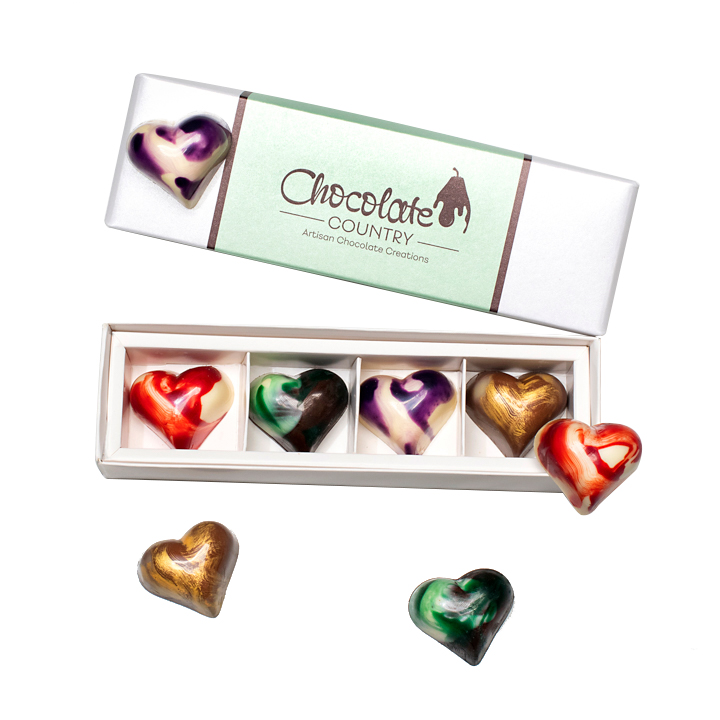
Customers Pay More for Better Presentation
One of the most overlooked truths in packaging strategy is this: customers are not only paying for the product. They are paying for confidence, gifting appeal, and the total experience. In premium food markets, the box itself becomes part of the offer.
A brownie in a plain carton is seen as a snack. The same brownie in a rigid box with custom print, insert protection, and elegant finishing is seen as a premium gift or boutique dessert experience. The ingredients may be identical, but the perceived value changes dramatically.
This matters because perception affects pricing. If your packaging looks budget-level, your ability to command premium pricing becomes limited. On the other hand, when the packaging reflects care, consistency, and craftsmanship, customers become more accepting of higher price points.
Packaging Supports Brand Positioning
Strong packaging helps answer a critical customer question instantly: What kind of brand are you?
Are you a low-cost mass product? A handcrafted boutique dessert studio? A luxury chocolate gifting brand? A modern eco-conscious bakery? Packaging communicates that before a single word is read.
Fuliter’s packaging positioning leans heavily into this premium-value logic. Across its site, the company presents custom paper boxes not as generic containers, but as brand-building tools that support presentation, differentiation, and upscale market positioning for food products.
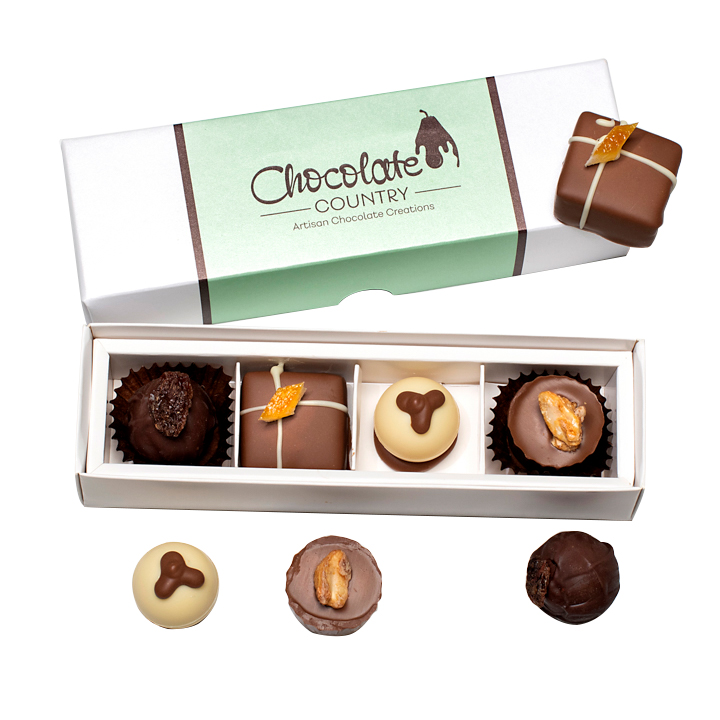
Unboxing Is Now Part of the Product
For many modern food brands, especially online sellers, the unboxing moment is no longer optional. It is part of what customers remember and talk about. If your customer receives a damaged, flimsy, or generic package, the emotional value of the purchase drops immediately—even if the food itself is excellent.
Premium Packaging improves the customer journey in several ways:
- it protects delicate products more effectively,
- it creates anticipation before opening,
- it makes gifting feel intentional,
- and it reinforces the idea that the brand cares about details.
That last point matters more than many businesses realize. People often associate packaging quality with overall business quality. If the box feels careless, they may assume the production standards are careless too.
Retention Often Starts With the First Delivery
A first-time customer does not become a repeat buyer because of product quality alone. They come back when the overall experience feels worth repeating. Packaging contributes directly to that memory.
Well-designed food packaging can help reduce breakage, improve freshness presentation, and create a stronger emotional aftertaste. This is particularly valuable in categories like custom chocolate boxes, bakery gift packaging, dessert assortments, and holiday food boxes where presentation influences whether a customer reorders for birthdays, events, holidays, or corporate gifting.
Fuliter explicitly emphasizes packaging that supports “great unboxing experience,” sample validation, rapid prototyping, and scalable production for brands looking to convert first impressions into long-term customer relationships.
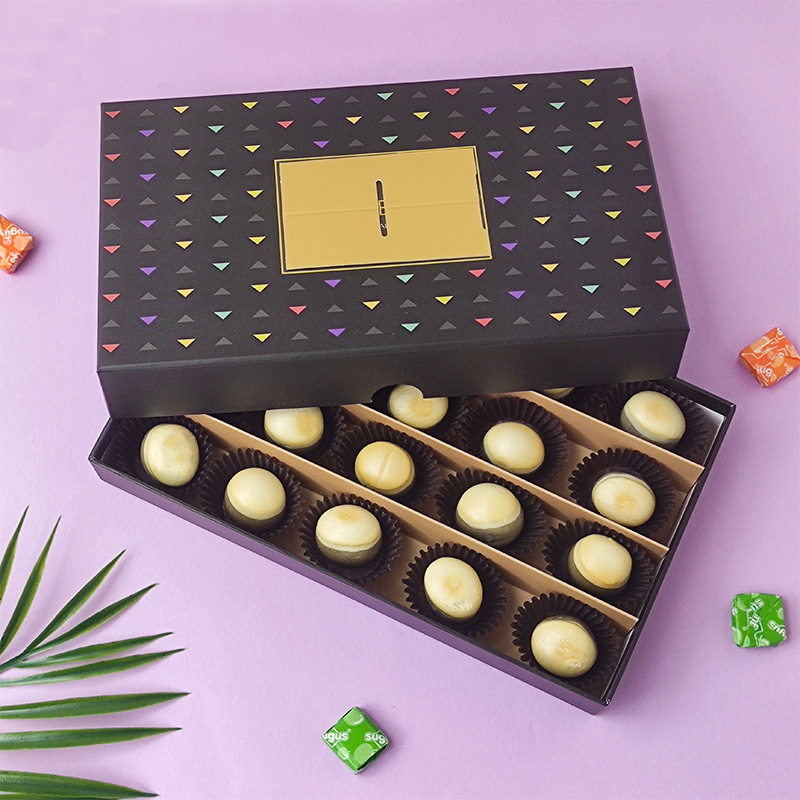
Why Cheap Packaging Can Be More Expensive
A common objection from food businesses is simple: premium packaging costs more per unit. That is true—but it is also incomplete. Looking only at unit cost ignores the full business impact.
Cheap packaging often leads to hidden costs such as:
- higher product damage rates,
- more refunds and replacements,
- weaker visual differentiation,
- lower perceived value,
- lower customer retention,
- and reduced word-of-mouth potential.
If a box saves $1 but causes more complaints, lower conversion rates, or weaker gifting appeal, it may not be saving money at all.
A Better Way to Evaluate Packaging Investment
Instead of asking, “How much does this box cost?” ask:
- Does it justify a higher retail price?
- Does it improve customer retention?
- Does it reduce damage and returns?
- Does it increase social sharing and gifting appeal?
- Does it help us win premium retail or corporate orders?
That is where Premium Packaging becomes a strategic asset rather than a line-item expense.
Fuliter’s own pricing-related content supports this practical framing. The brand notes that custom rigid and premium paper boxes vary in cost depending on size, structure, materials, finishing, and order volume—but also makes clear that design choices can be optimized to balance premium presentation with cost efficiency.
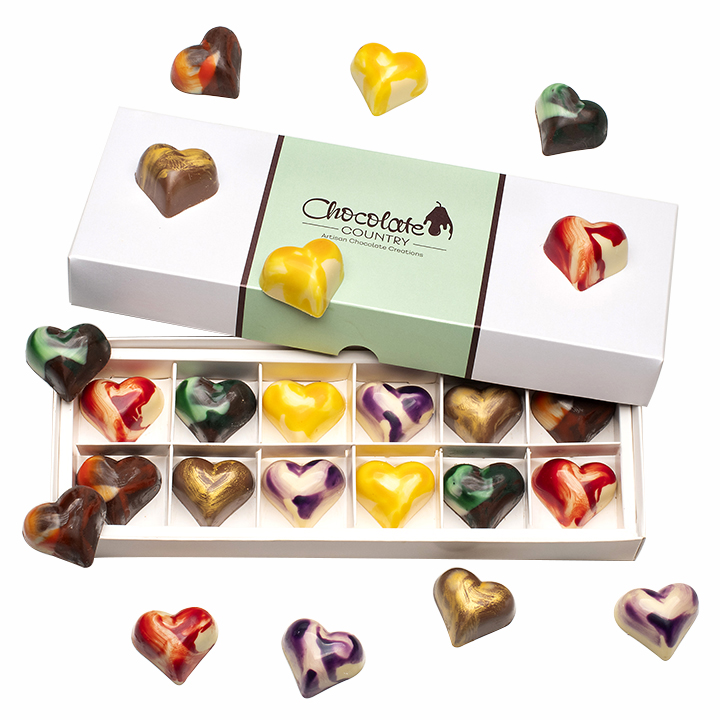
Recognition Comes From Consistency
A memorable food brand is rarely built through product alone. It is built through repetition. The same visual cues, the same tactile quality, the same opening experience, and the same packaging language repeated over time all create recognition.
This is where Premium Packaging becomes more than a sales tool. It becomes a brand asset.
A distinctive custom box shape, a signature finish, a recognizable color palette, or a refined insert system can help customers remember your brand instantly. In gifting and specialty food markets, that kind of recall is powerful because buyers often return for repeat occasions.
Premium Packaging Supports Word-of-Mouth and Social Proof
People are much more likely to photograph and share something that feels visually elevated. A thoughtfully designed food package can generate social proof organically, especially when it feels gift-worthy or limited-edition.
That means your packaging is not only protecting the product. It is also acting as:
- a mini advertising channel,
- a brand storytelling surface,
- and a visual reason to share.
Fuliter’s product and factory pages consistently emphasize customized structure, visual branding, premium print execution, and accessory detailing as part of the value offered to food and gift brands. That aligns directly with the role packaging plays in building recognizable, repeatable brand identity over time.
If your food brand wants to charge more, retain customers longer, improve presentation, and compete in higher-value markets, Premium Packaging is not a luxury. It is infrastructure for growth.
It influences first impressions. It affects perceived quality. It shapes gifting behavior. It supports repeat purchases. And over time, it becomes part of your brand equity.
The strongest food brands understand that packaging is not separate from the product. It is one of the most visible parts of the product.
If you are building a chocolate brand, bakery label, dessert line, or specialty food business, investing in better packaging may be one of the highest-leverage decisions you can make. And with a manufacturing partner like Fuliter—offering custom paper boxes, premium finishing, food-focused packaging design, and scalable production—the upgrade becomes much easier to execute in the real world.
Yes, in many cases Premium Packaging is worth the investment because it does more than protect the product. It improves first impressions, increases perceived value, supports higher pricing, and often helps food brands stand out in crowded markets. For products like chocolates, brownies, pastries, cookies, and gift boxes, packaging plays a major role in how customers judge quality. A well-designed premium box can make the same product feel more exclusive and gift-worthy, which can directly influence purchase decisions and repeat orders.
Premium Packaging strongly influences how customers feel about a product before they even try it. In the food industry, packaging often creates the first emotional connection between the brand and the buyer. Clean structure, attractive printing, elegant finishes, and durable materials all help communicate quality and trust. When packaging looks refined and professionally made, customers are more likely to believe the product inside is fresh, premium, and worth the price. This is especially important for online food brands, bakery packaging, and luxury gifting products.
Yes, one of the biggest advantages of Premium Packaging is that it can support premium pricing. Customers are often willing to pay more when the packaging feels high-end, visually appealing, and suitable for gifting. In many food categories, the box itself becomes part of the overall value of the purchase. For example, a custom rigid chocolate box or a luxury dessert gift box can justify a much higher selling price than a plain folding carton. Better presentation helps position your product as a premium brand rather than a low-cost commodity.
Almost any food product can benefit from Premium Packaging, but it is especially valuable for products that are often purchased as gifts or premium treats. This includes chocolates, brownies, macarons, cookies, mooncakes, baklava, pastries, cakes, candy, and festive dessert collections. Businesses selling seasonal gift sets, wedding favors, holiday sweets, or corporate food gifts often see the strongest return from better packaging because presentation is a key part of the customer experience. Premium boxes also help protect delicate products during shipping and display.
When choosing a Premium Packaging supplier, it is important to look beyond price alone. A good supplier should offer custom design support, strong manufacturing capability, reliable quality control, material flexibility, and packaging solutions tailored to your product category. For food brands, it also helps to work with a packaging manufacturer that understands structure, presentation, and protective inserts for fragile or gift-ready items. Ideally, your supplier should be able to provide samples, custom printing options, premium finishes, and scalable production for both small and large orders.
Post time: Apr-03-2026


