


Why Precision Matters in Chocolate Packaging
When chocolate looks premium, the box needs to feel premium too. Custom Chocolate Boxes are no longer just a protective layer around a product. They are part of the customer experience, from the first glance on a store shelf to the moment the lid is opened.
For chocolate brands, precision matters because even a small packaging problem can affect the whole presentation. A box that does not fold properly, a lid that sits unevenly, or an insert that moves around can make an otherwise beautiful product look less polished. That is why modern packaging design is increasingly focused on accuracy, consistency, and production readiness.
Designed With the Production Line in Mind
A great packaging concept should not only look good on a computer screen. It should also work smoothly on real equipment. Auto-line-ready Custom Chocolate Boxes are developed with folding, gluing, filling, and packing processes in mind.
This approach helps reduce unnecessary manual adjustments during production. Dimensions, folds, locking points, and material choices can all be planned around the packaging line. The result is a box that looks refined while also being practical for high-volume manufacturing.
From Artwork to a Repeatable Packaging Format
Consistency is one of the biggest advantages of a production-ready design. Once the structure has been tested and approved, manufacturers can reproduce the same box with reliable dimensions and finishing.
That is especially useful for chocolate companies with multiple flavors or product collections. The artwork can change while the basic structure stays familiar, making it easier to build a recognizable packaging system across the entire range.
More Than a Pretty Exterior
Chocolate packaging has two jobs: attract attention and protect what is inside. Good Custom Chocolate Boxes balance both without making the design unnecessarily complicated.
A strong outer design can communicate flavor, quality, and brand personality. At the same time, the internal structure should keep chocolates secure during handling, shipping, and display. This is where thoughtful engineering becomes just as important as graphic design.
Inserts That Keep Chocolates in Place
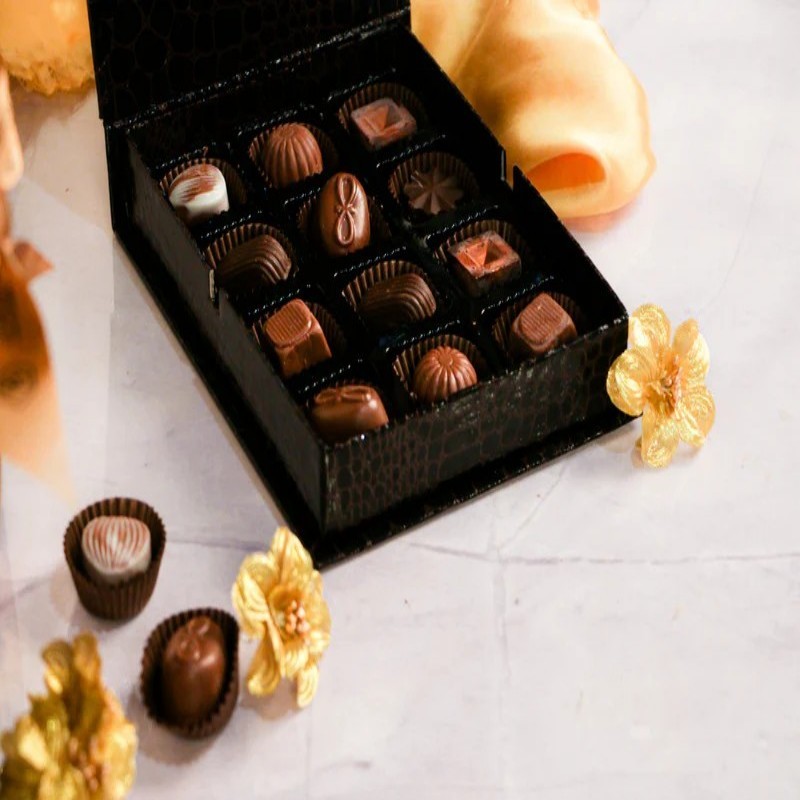
Chocolate pieces come in many shapes and sizes, so one universal insert rarely works perfectly. Custom-fit trays, partitions, sleeves, and compartments can be designed around the actual product.
A well-fitted insert prevents pieces from shifting inside the package. It can also create a neat arrangement that makes the chocolates look more appealing when the customer opens the box.
Materials Make a Difference
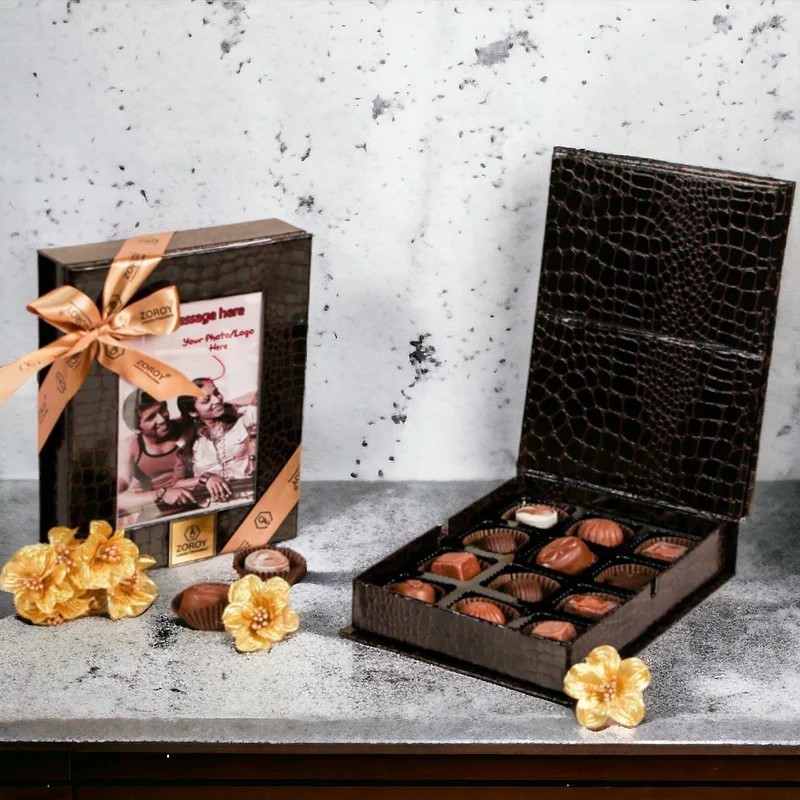
The choice of paperboard, specialty paper, corrugated material, or rigid board affects how the package feels in the hand. A lightweight folding carton may be ideal for everyday chocolate products, while a rigid box can create a more luxurious experience for gifting.
The right material should also match the production requirements. If the packaging needs to run through an automated line, material thickness and folding behavior need to be considered early rather than treated as an afterthought.
What Makes a Box Auto-Line Ready?
Automation-friendly Custom Chocolate Boxes are designed around predictable movement. The box should open, fold, glue, and close in a controlled way without causing frequent interruptions.
That means structural details matter. Fold scores need to be positioned accurately, panels should maintain consistent dimensions, and adhesive areas need to support the intended closing method.
Reducing Production Friction
Every unnecessary production adjustment can cost time. If packaging needs to be manually corrected every few minutes, efficiency quickly drops.
A precision-focused approach helps reduce these problems. By testing the structure before large-scale production, manufacturers can identify weak points and make adjustments before the packaging reaches the full production run.
Consistency at Higher Volumes
Automation becomes especially valuable when chocolate orders grow. Producing hundreds or thousands of boxes manually is one thing; producing them at scale with consistent quality is another.
Production-ready Custom Chocolate Boxes give brands a better foundation for scaling. The goal is simple: keep the package moving through the line while maintaining the appearance customers expect.
Packaging Is Part of the Product
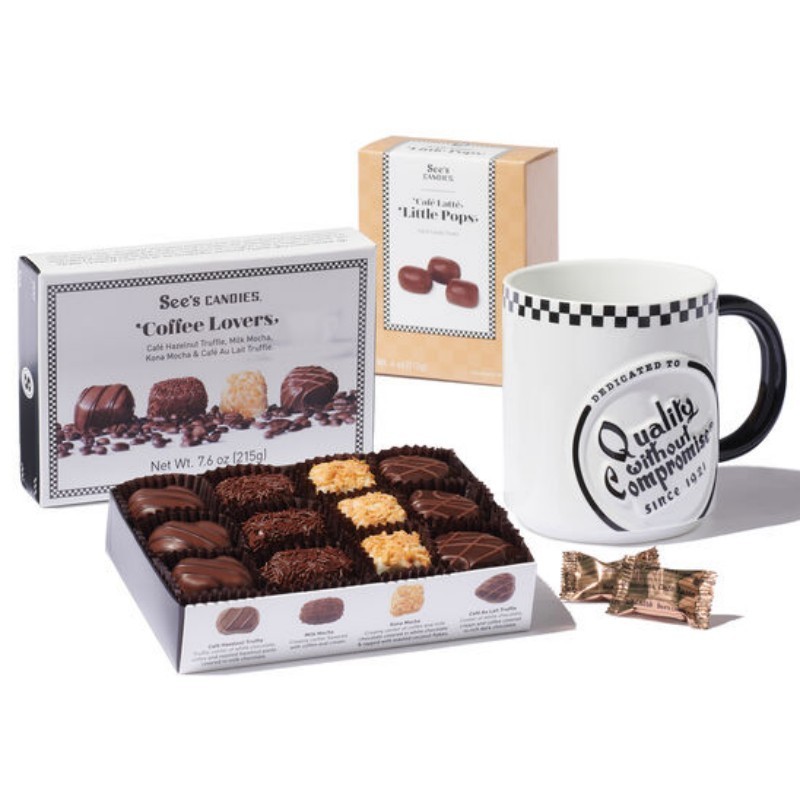
For many chocolate buyers, the box is the first physical interaction they have with a brand. That makes packaging a powerful branding tool.
Colors, typography, textures, logos, windows, and finishing techniques can work together to create a distinct look. Whether the brand wants to feel classic, playful, natural, or luxurious, Custom Chocolate Boxes can be shaped around that personality.
Creating a Memorable Unboxing Moment
Opening a chocolate box can be surprisingly emotional. A carefully designed package can build anticipation before the customer even tastes the product.
A smooth-opening lid, neatly arranged chocolates, printed interior graphics, or a small brand message can turn ordinary packaging into a memorable experience. These details may seem small, but they can influence how customers perceive the value of the chocolate.
Keeping Different Products Under One Visual System
A chocolate company may sell truffles, pralines, bars, seasonal collections, and gift assortments. Each product can have its own artwork while still sharing common structural elements.
This creates a consistent brand family. Customers can recognize the packaging quickly, while the company can avoid reinventing its production process for every product variation.
Choosing the Right Surface Finish
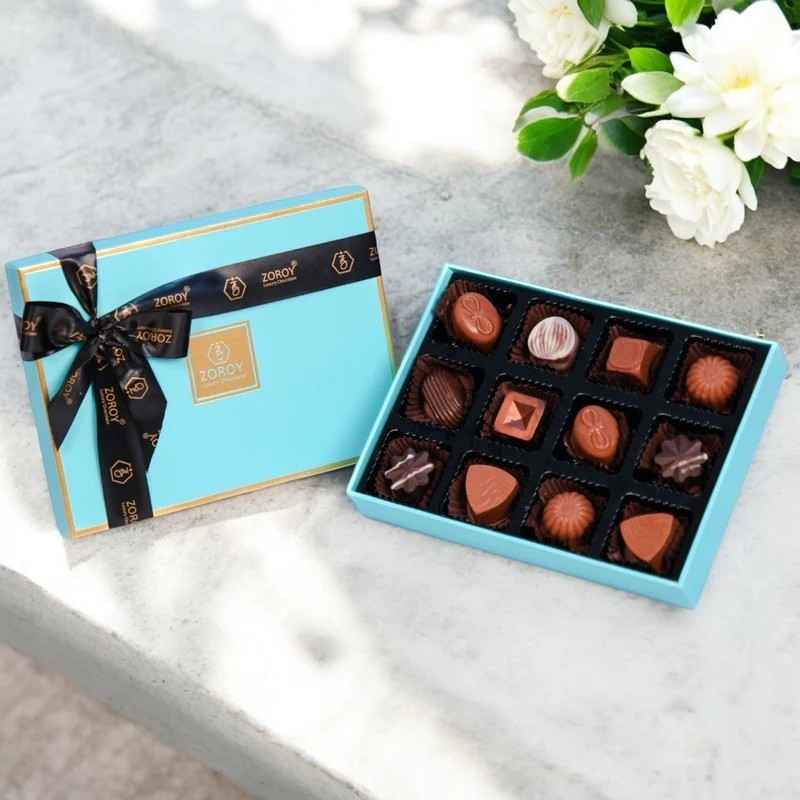
Finishing techniques can completely change the feel of Custom Chocolate Boxes. Matte coatings offer a soft, understated appearance, while gloss finishes can make colors look brighter and more energetic.
For premium collections, options such as foil stamping, embossing, debossing, spot effects, or textured papers can add another layer of visual interest. The key is knowing when enough is enough. Too many effects can make a box feel busy rather than luxurious.
Windows and Product Visibility
A transparent window can be useful when the chocolates themselves are part of the selling point. Customers may want to see the assortment before purchasing, especially with gift boxes.
However, a window should be integrated carefully into the structure. Its size, placement, and material all need to work with the folding and packing process.
Sustainable Choices Without Losing Style
Sustainability is also becoming a bigger part of packaging decisions. Many chocolate brands are looking for recyclable paper-based solutions, reduced material use, and finishes that support easier recycling.
Eco-conscious packaging does not have to look plain. Thoughtful typography, natural textures, clean layouts, and smart structural design can create a premium appearance while keeping material use under control.
Prototyping Before Mass Production
Before committing to a large order, it makes sense to test the box. A physical prototype can reveal issues that may not be obvious in digital artwork.
The prototype should be checked for dimensions, product fit, opening and closing behavior, print alignment, insert positioning, and compatibility with the intended packing process.
Quality Checks That Actually Matter
A strong quality-control process looks at both appearance and performance. Measurements should remain consistent, folds should be clean, adhesive points should hold properly, and printed elements should align with the structure.
For automated production, repeatability is particularly important. A box that performs well once is not enough. It needs to perform reliably across a full production batch.
Building Packaging for Long-Term Growth
The best Custom Chocolate Boxes are not simply made for today's order. They can become part of a packaging system that supports future products and larger volumes.
A modular structure can make it easier to introduce new chocolate flavors, limited editions, or seasonal artwork. Instead of starting from scratch every time, brands can build on a tested packaging foundation.
The best Custom Chocolate Boxes bring design, structure, branding, and manufacturing together. They should look attractive on the shelf, protect chocolates during handling, and move smoothly through the production process.
Auto-line readiness adds another layer of value. When packaging is engineered for accurate folding, reliable gluing, consistent filling, and repeatable output, brands can spend less time dealing with production problems and more time focusing on their products.
For chocolate businesses planning to scale, precision packaging is not just a technical detail. It is a practical advantage. With the right structure, materials, finishing, and testing process, Custom Chocolate Boxes can deliver a polished customer experience while keeping large-scale production efficient and dependable.
Designed for Automated Production
Auto-line ready Custom Chocolate Boxes are packaging solutions designed to work smoothly with automated folding, gluing, filling, and packing equipment. Their dimensions, folds, locking points, and adhesive areas are carefully planned to support consistent production.
Custom-Fit Protection
Yes. Custom Chocolate Boxes can include trays, dividers, sleeves, or individual compartments designed around the size and shape of the chocolates.
Better Product Presentation
A properly fitted insert helps prevent chocolates from moving during transportation while keeping the assortment neat and attractive when the box is opened.
Choosing the Right Material
Common options include paperboard, specialty paper, corrugated board, and rigid board. The best choice depends on the product weight, desired appearance, protection requirements, and production method.
Premium and Sustainable Options
Brands can also explore textured papers, recyclable paper-based materials, and different coatings or finishes to create an attractive package without sacrificing practicality.
Flexible Structural Design
Absolutely. Custom Chocolate Boxes can be developed for truffles, pralines, chocolate bars, gift assortments, seasonal collections, and other formats.
Consistent Brand Appearance
Different products can use customized artwork while maintaining similar structural elements. This creates a cohesive packaging system that makes the brand easier for customers to recognize.
Start With a Prototype
Before placing a large production order, brands should test a physical prototype. Dimensions, product fit, folding, closing, insert placement, printing, and finishing should all be reviewed.
Focus on Repeatability
The final packaging should perform consistently across a production batch. Proper testing and quality control help ensure that Custom Chocolate Boxes can move efficiently through automated equipment while maintaining the intended appearance and performance.
Post time: Aug-25-2026


