


For bakeries, cake brands, dessert shops, cafes, and food retailers, packaging is no longer just a container for products. A cake box not only needs to protect the cake from being crushed during transportation but also needs to address issues such as oil resistance, moisture resistance, display, and brand promotion. Therefore, choosing a professional bakery packaging company is actually selecting a long-term packaging supply chain partner.
There are an increasing number of bakery packaging suppliers in the market, but the product capabilities of different companies vary significantly. Some suppliers are better suited for standardized bulk purchases, while others excel in custom structures, brand printing, and special processes. Professional bakery packaging companies typically provide complete services from material selection, structure design, proofing, printing, die-cutting, forming to logistics, rather than merely selling ready-made boxes. Current industry supplier pages generally list custom sizes, materials, printing, food contact requirements, and batch production as core purchasing indicators.
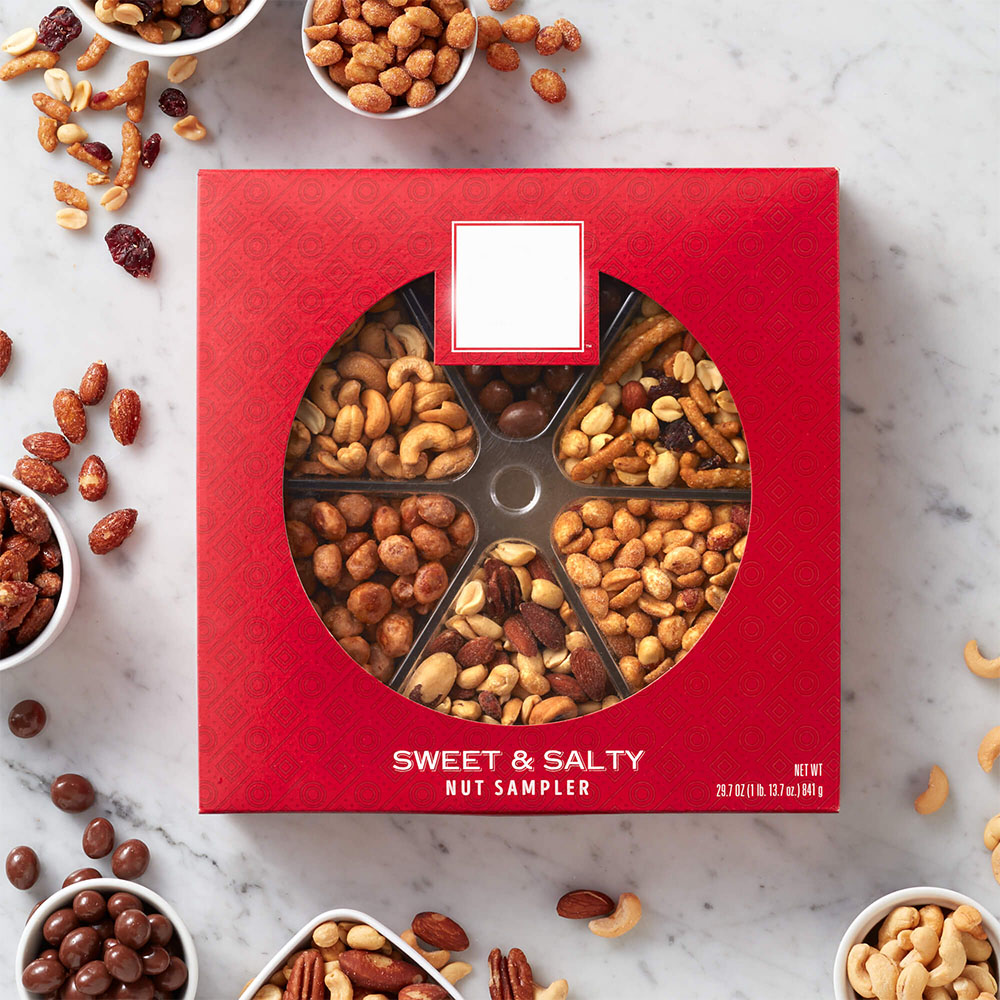
A complete bakery packaging company should not only provide one type of cake box but also be able to provide matching packaging structures for different bakery products. For example, cakes usually require larger holding space and cake trays; cupcake boxes need fixed inner trays; macarons require collision-resistant structures; cookies and brownies focus more on oil resistance and product display.
Cake Box, Cookie Box, and Pastry Box
Common products include cake boxes, cupcake boxes, cookie boxes, pastry boxes, bread boxes, brownie boxes, macaron boxes, and dessert boxes. Among them, paper boxes with windows allow consumers to see the products directly, suitable for cakes, doughnuts, pastries, and high appearance-level desserts for display. Industry suppliers also commonly use windows, inner trays, different sizes, and special structures to solve product display and transportation protection problems.
Fuliter currently also covers bakery packaging products such as cake boxes, dessert boxes, and brownie packaging, for example, cardboard cake packaging can adopt window design and supports size and structure customization.
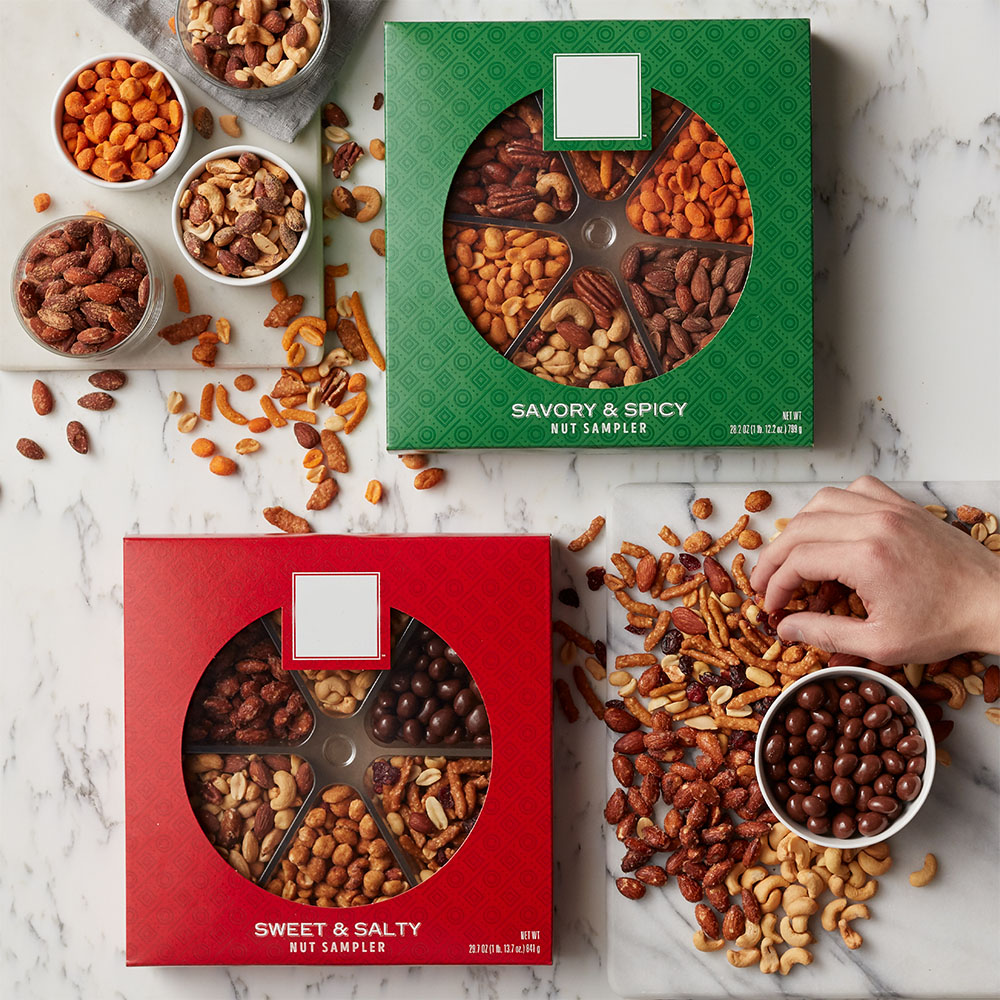
Material is a very crucial part of bakery packaging procurement because different foods have different requirements for packaging in terms of oil resistance, load-bearing capacity, moisture resistance, and food contact. Common materials include white card paper, kraft paper, corrugated cardboard, SBS paper, and other specially treated paper-based materials.
Food safety, oil resistance, and structural strength
For cream cakes, butter pastries, chocolate, and high-fat products, merely considering the appearance is not enough; the packaging also needs to have corresponding oil resistance and moisture resistance capabilities. Some suppliers will enhance the performance of the paper through coating or composite treatment. Currently, some professional bakery packaging pages also consider grease resistance, food-contact compliance, and structural load-bearing as important product indicators.
If the product needs long-distance transportation, considerations should also be given to corrugated structures or reinforced cardboard to reduce the risk of box deformation and product damage. Fuliter's recent bakery packaging content also lists material selection, oil and water resistance, and food-contact safety as important purchasing factors for custom paper bakery boxes.
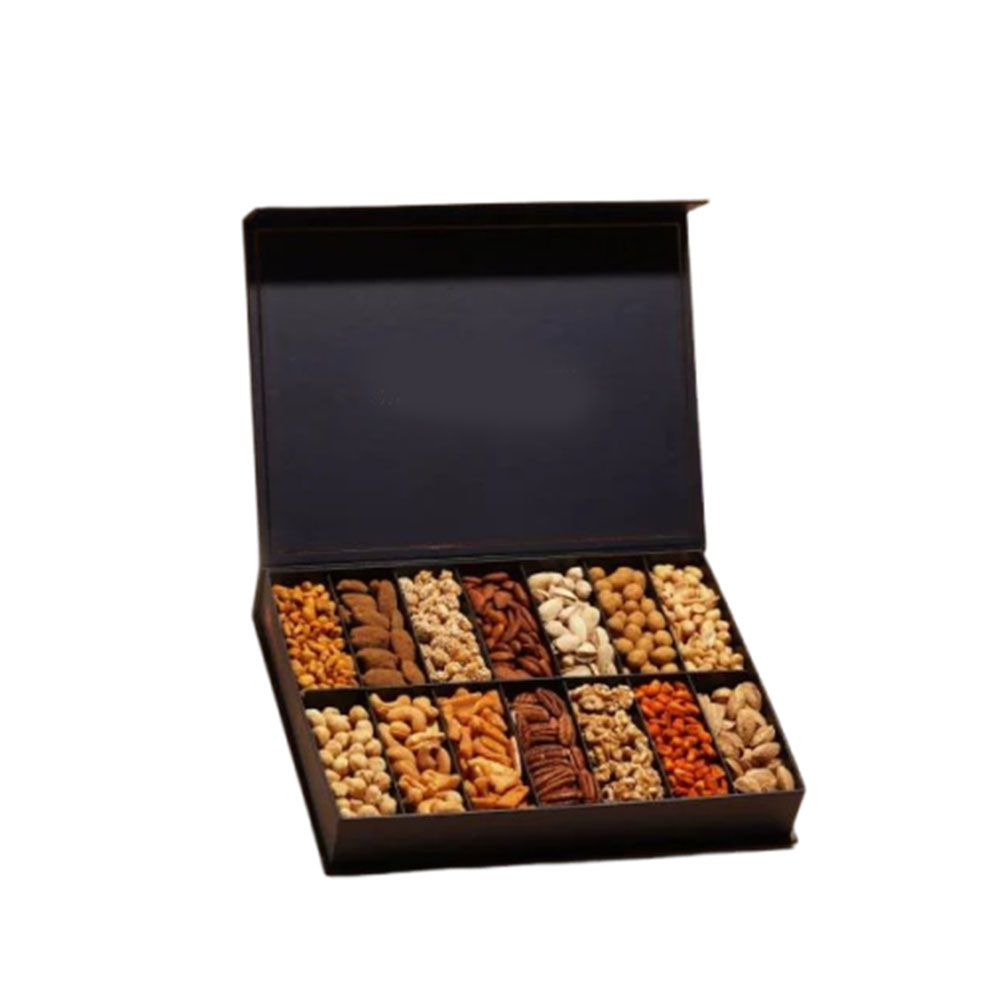
For established bakery brands, generic white boxes often cannot fully reflect the brand characteristics. Custom packaging can be designed in multiple aspects such as size, structure, color, logo, pattern, window, and surface treatment, making the packaging part of the brand visual system.
From logo printing to special processes
Common customization processes include CMYK printing, Pantone spot colors, UV, gold stamping, silver stamping, embossing, raised printing, matte film, and glossy film. Different processes are suitable for different brand positioning. For example, a premium dessert brand can create an upscale feel through gold stamping and special paper, while a bakery brand emphasizing nature and environmental protection can use simple kraft paper visuals.
In addition, the packaging structure is also important. Windows, drawer-style structures, lids, folding boxes, hand-held structures, and inner tray designs can all be adjusted according to product characteristics. Professional suppliers in the industry have already listed custom size, shape, printing, finishing, and inserts as main customization items.
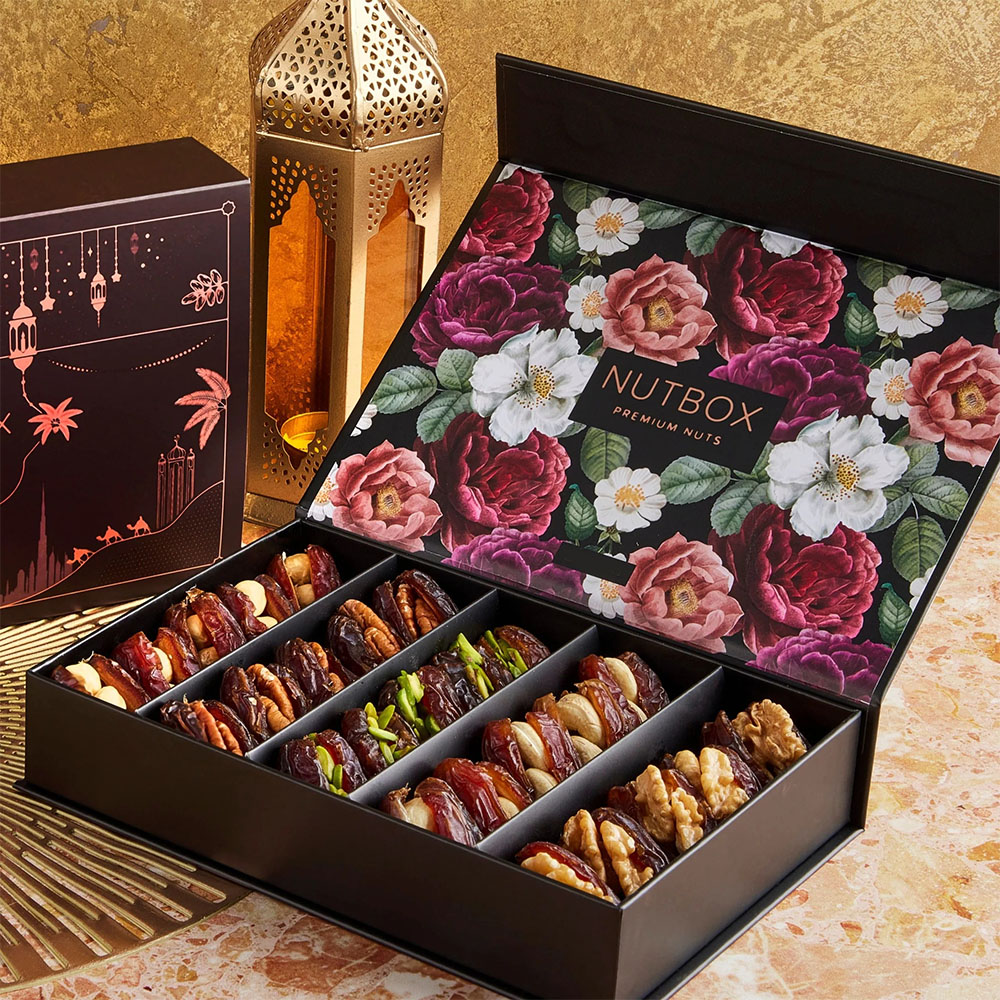
Price is not the only criterion for choosing a packaging company. For long-term purchasing bakery brands, what is more important is whether the supplier can continuously and stably produce the same specifications of products and maintain delivery schedules during peak seasons.
MOQ, prototyping, quality control and delivery
Before purchasing, it is recommended to focus on asking four questions: What is the MOQ? How long does the sample take to complete? How long does batch production take? How is quality control conducted?
Some current suppliers offer one-stop services from design, prototyping, production to transportation; the MOQ of different suppliers may range from dozens, hundreds to thousands of pieces, so the purchaser should choose the appropriate production method based on the brand size.
Fuliter provides custom services for bakery boxes and publicly explains that regular batch production can start from 500 pieces, and it also provides samples, production, and logistics support. Its recent bakery packaging content also introduces the time range for sample production and batch production.
For overseas purchasers, they should further confirm whether export packaging, transportation arrangements, production progress updates, and after-sales services can be provided. This can reduce uncertainties caused by communication and delivery periods during cross-border purchasing.
When choosing a suitable bakery packaging company, ultimately, it should return to the three levels of product, brand, and supply chain. Good baking packaging should first protect cakes, breads, cookies, and desserts, and secondly, meet food contact, oil-proof, moisture-proof, and transportation requirements. At the same time, it also needs to strengthen the brand image through size, structure, printing, and process.
From a procurement perspective, one can focus on comparing suppliers' product range, material selection, customization ability, MOQ, prototyping ability, production equipment, quality control, delivery time, and global logistics capabilities. For overseas baking brands that need custom paper boxes, Fuliter Paper Box has established a bakery packaging product system including cake boxes, dessert boxes, brownie boxes, etc., and provides OEM/ODM customization, production, and export services.
A bakery packaging company can provide cake boxes, cookie boxes, pastry boxes, cupcake boxes, bread packaging, dessert boxes and customized food packaging solutions.
Common materials include food-grade paperboard, kraft paper, SBS board and corrugated paper, with options for grease, moisture and structural protection.
Yes. Professional suppliers can customize box size, shape, color, logo, printing, windows, inserts and finishing processes according to brand requirements.
Consider product quality, food-contact safety, customization capabilities, MOQ, sample service, production capacity, quality control, lead time and international shipping.
Post time: Sep-19-2026


