


In the gift, retail, e-commerce and luxury goods markets, packaging is no longer merely a tool for protecting products, but a vital medium through which brands establish a first impression with consumers. For businesses seeking to enhance their product presentation, **cardboard gift boxes**—which combine the advantages of being lightweight, customisable, cost-effective and visually striking—are becoming the packaging of choice for an increasing number of brands.
Whether for confectionery, chocolate, jewellery, cosmetics, perfumes, clothing or festive gifts, a well-designed cardboard gift box can enhance the overall perceived value of a product. At the same time, by customising dimensions, printed designs, brand logos and special finishing techniques, businesses can also create a more distinctive packaging experience.
For buyers, selecting the right cardboard gift boxes requires not only attention to visual design but also a comprehensive consideration of materials, box styles, load-bearing capacity, production costs and supplier capabilities. The following sections will help businesses understand how to select cardboard gift boxes best suited to their products from multiple perspectives.
Cardboard gift boxes combine protection with presentation
**Cardboard gift boxes** are typically made from materials such as cardboard, cardstock, greyboard or corrugated cardboard. Compared to standard packaging, they place greater emphasis on product presentation, brand visuals and the unboxing experience, and are therefore widely used in the retail, gift and high-end consumer goods sectors.
Cardboard offers excellent workability and can be shaped into various packaging structures through processes such as die-cutting, folding and gluing. Furthermore, the surface of cardboard is well-suited to colour printing, foil stamping, embossing and lamination, making it easier for the packaging to convey the brand’s design philosophy.
For example, for lightweight products, lighter-weight card gift boxes can be selected; for products requiring greater protection, corrugated cardboard structures can be used; whilst for high-end gifts, sturdier rigid gift boxes can be produced by combining greyboard with a face paper.
Consequently, the advantages of cardboard gift boxes lie not only in their appearance but also in their ability to strike a balance between protection, functionality and brand value according to different product requirements.
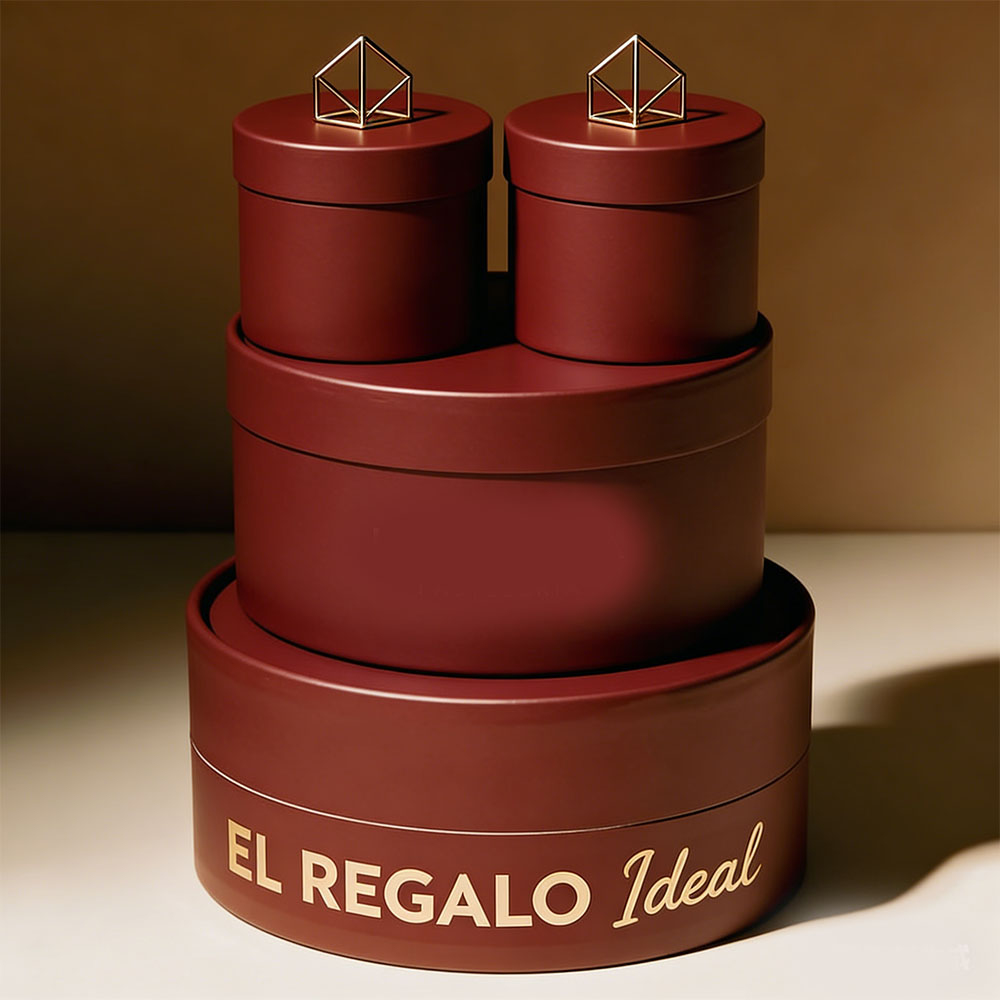
Selecting Cardboard Material Based on Product Weight and Positioning
When selecting **cardboard gift boxes**, the material is a key factor influencing packaging quality. Different cardboard materials vary significantly in terms of thickness, rigidity, print quality and cost; therefore, businesses should make their selection based on the product’s characteristics.
For products such as cosmetics, confectionery and small gifts, cardstock typically offers good print quality and is relatively lightweight, making it suitable for colourful retail packaging. Using high-quality coated paper or other surface-treated paper stocks can further enhance the clarity of designs and colour reproduction.
For products requiring protection during transit, corrugated cardboard is a suitable choice. The corrugated structure provides superior cushioning, making it ideal for e-commerce gift boxes, subscription gift boxes and shipping packaging. For products requiring both display and protection, a combination of high-quality face paper and a corrugated structure can be employed.
As for jewellery, perfumes and high-end gifts, greyboard rigid boxes offer a more robust structure and a premium visual experience. By laminating printed face paper onto the exterior of the greyboard, a wider range of brand designs can be achieved.
Therefore, before procuring cardboard gift boxes, businesses should clearly define the product’s weight, shipping method, sales context and brand positioning to avoid issues such as over-specification of materials or insufficient protective performance.
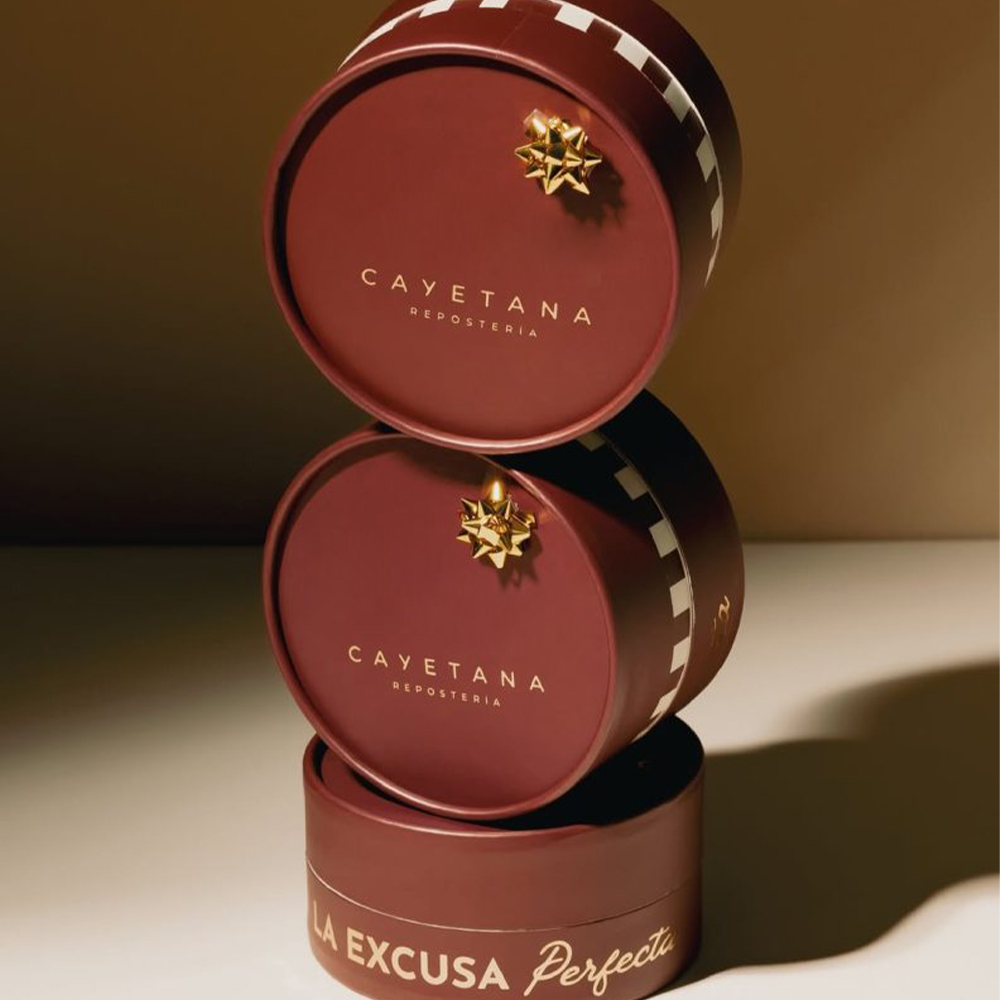
Different structures determine the consumer’s unboxing experience
The design of the box directly influences the practicality and visual appeal of **cardboard gift boxes**. Common gift box structures currently available on the market include top-and-bottom lid boxes, magnetic-closure boxes, drawer boxes, folding boxes and custom-shaped boxes.
Top-and-bottom lid gift boxes feature a simple structure and are suitable for products such as chocolates, clothing and gift sets. Their advantages include a classic appearance, flexible capacity and ease of brand customisation.
Magnetic-closure gift boxes typically exude a more premium feel, making them suitable for high-end gifts, corporate gifts and branded gift sets. The magnetic closure mechanism enhances the consumer’s user experience whilst also increasing the packaging’s reusability.
Drawer-style gift boxes offer a greater sense of interactivity. When consumers pull the drawer open, it creates a more pronounced sense of ceremony, making them ideal for jewellery, cosmetics and small, high-end gifts.
For businesses seeking to reduce transport and warehousing costs, foldable cardboard gift boxes represent a more economical option. This type of packaging remains flat during transit and is assembled only when needed, thereby minimising the space required for logistics.
When selecting a box type, one should not consider appearance alone; a comprehensive design approach must take into account product dimensions, internal space, transport methods and the consumer’s user experience.
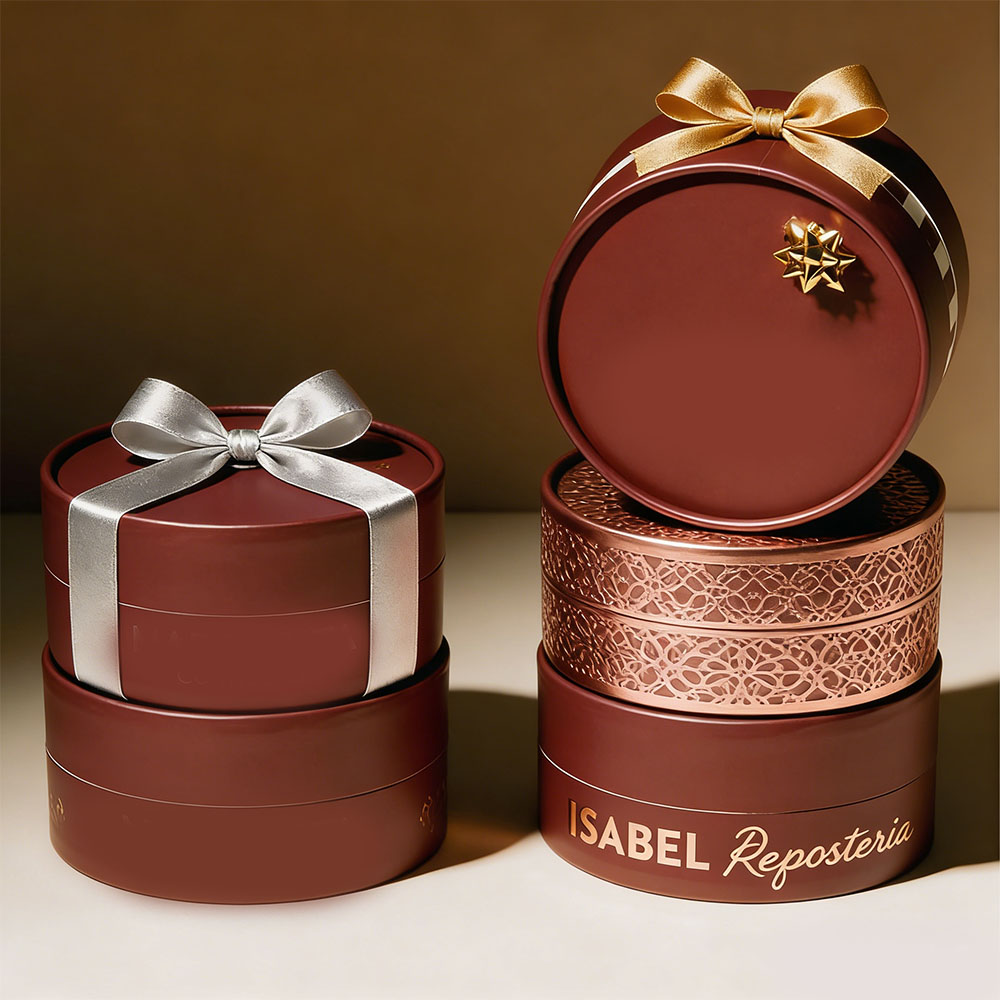
Printing and surface finishes make packaging more distinctive
For brands, **cardboard gift boxes** serve as vital vehicles for visual communication. As consumers often encounter the packaging before seeing the product itself, the packaging design can directly influence their perception of the product’s value.
Basic CMYK colour printing is suitable for brand packaging requiring complex patterns and a rich colour palette. If a company has established brand colours, spot colour printing can also be incorporated to enhance colour consistency.
In terms of surface finishes, gold and silver foil stamping can highlight logos, brand names or key patterns, lending the packaging a more premium feel. Embossing and debossing techniques, meanwhile, enhance the tactile experience, allowing consumers to perceive different textural layers when handling the packaging.
UV printing is suitable for highlighting specific areas of a design, whilst matt and gloss lamination can alter the overall visual effect of the packaging. Matt lamination is generally better suited to minimalist, high-end brand styles, whilst gloss lamination makes colours appear more vibrant.
Excellent cardboard gift box design does not require an excessive number of finishing techniques. It is more important to select appropriate colours, materials and visual elements based on the brand’s positioning, ensuring the packaging conveys a unified brand image.
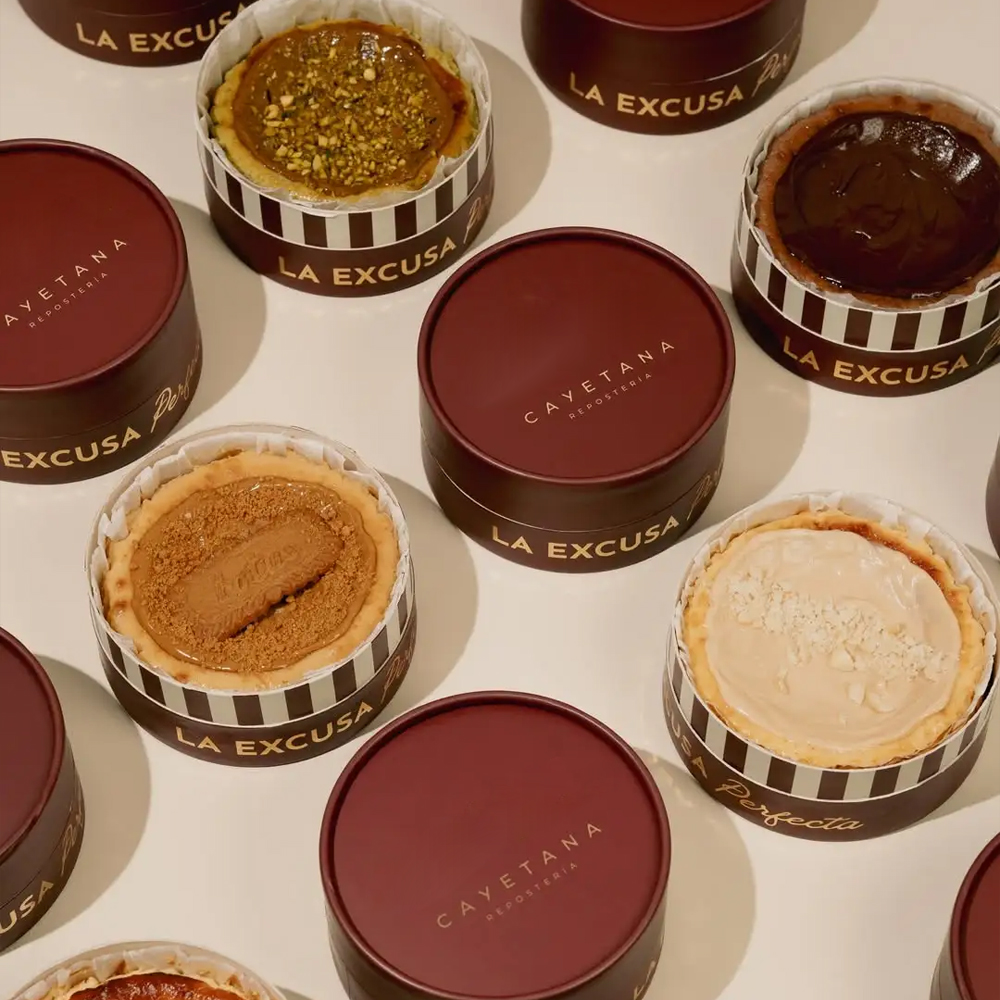
Optimising the Packaging Budget Through Dimensions, Quantities and Structure
When procuring **cardboard gift boxes**, many businesses focus solely on the unit price; however, the total cost of packaging is actually influenced by multiple factors, including materials, dimensions, printing, finishing techniques, production quantities and shipping methods.
Firstly, it is vital to control the packaging dimensions appropriately. Excessively large dimensions not only increase material usage but may also drive up transport costs. Therefore, businesses should design the internal space according to the actual dimensions of the product and avoid unnecessary empty space.
Secondly, complex box designs and specialised processes increase production costs. For example, magnetic closures, foil stamping, multiple die-cuts and intricate internal fittings all affect the final quotation. Consequently, where budgets are limited, it is advisable to prioritise investment in key processes that best reflect the brand’s value.
Order quantities also affect unit costs. For products with long-term sales, businesses can plan procurement volumes based on market forecasts, thereby reducing the production cost per unit of packaging.
Furthermore, selecting a manufacturer capable of providing design, prototyping, production and logistics coordination services can also reduce communication costs between multiple suppliers. Through professional optimisation of packaging structures, businesses can sometimes reduce material consumption without compromising packaging quality.
As consumers place increasing importance on the product experience, packaging has become a vital component of brand marketing. High-quality **cardboard gift boxes** not only protect the product but also enhance visual appeal, strengthen brand recognition and create a more engaging unboxing experience.
When selecting cardboard gift boxes, businesses should take a comprehensive approach, considering product characteristics, materials, box styles, printing techniques and procurement costs. There is no single ‘correct’ packaging solution for every product; the truly effective choice lies in striking the optimal balance between protective performance, brand image and budget.
Through its professional packaging design and manufacturing capabilities, Fuliter can help brands upgrade ordinary cardboard packaging into more competitive gift packaging solutions. For businesses seeking to enhance product value through bespoke packaging, selecting the right manufacturer of cardboard gift boxes will be a crucial step towards optimising the brand experience and driving product sales.
Cardboard gift boxes can be made from cardstock, corrugated cardboard, or rigid greyboard, depending on product weight and packaging needs.
Yes. They can be customized in size, shape, printing, colors, logos, inserts, and finishing options to match your brand.
They are suitable for cosmetics, jewelry, chocolates, clothing, candles, promotional gifts, and many other retail products.
Consider your product size, weight, protection needs, brand style, packaging budget, and shipping requirements.
Post time: Aug-28-2026


