


The Importance of Chocolate Boxes in Modern Branding
Packaging as the First Impression
Chocolate boxes are far more than simple containers; they serve as the first interaction between a brand and its customers. Before tasting the product, consumers judge its quality through packaging. A well-designed chocolate box can instantly communicate luxury, craftsmanship, or playfulness depending on the brand’s positioning.
Emotional Connection Through Design
Thoughtfully crafted chocolate boxes can evoke emotions such as nostalgia, romance, or excitement. This emotional connection often influences purchasing decisions, especially in gifting scenarios where presentation matters as much as the product itself.
Role in Competitive Markets
With countless chocolate brands competing for attention, packaging has become a crucial differentiator. Unique chocolate boxes help brands stand out both in physical retail spaces and online marketplaces, making them a vital component of modern branding strategies.
Minimalism and Clean Aesthetics
One of the most prominent trends in chocolate boxes is minimalism. Clean layouts, subtle typography, and restrained color palettes convey sophistication and elegance. This approach allows the product to feel premium without overwhelming the consumer visually.
Bold Colors and Artistic Patterns
On the opposite end, vibrant colors and intricate patterns are gaining popularity. These designs appeal to younger audiences and create a sense of fun and creativity. Geometric patterns, abstract illustrations, and hand-drawn elements are frequently used to create visual impact.
Sustainable and Eco-Friendly Packaging
Sustainability is no longer optional. Many brands are shifting toward recyclable, biodegradable, or reusable chocolate boxes. Materials like kraft paper, cardboard, and plant-based inks are increasingly favored, aligning with environmentally conscious consumer values.
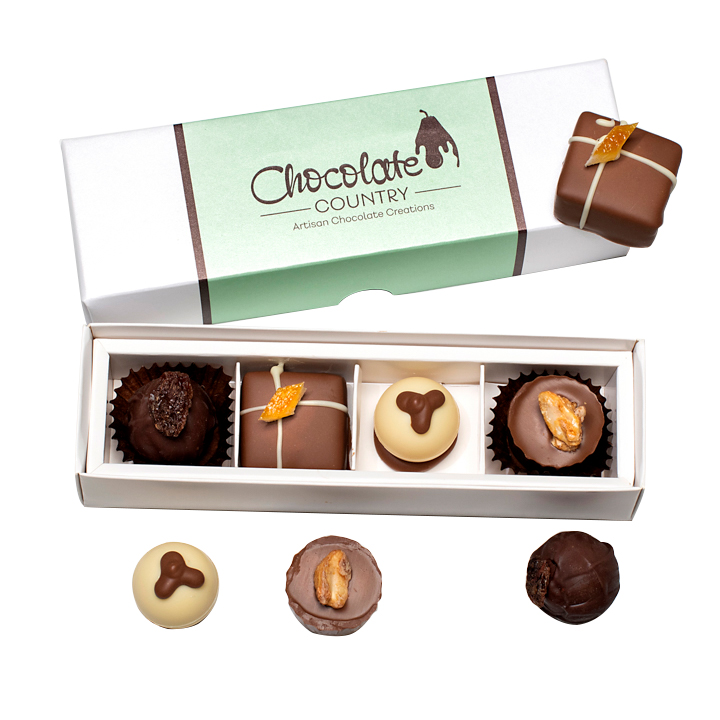
Moving Beyond Traditional Rectangles
While rectangular boxes remain common, brands are exploring unconventional shapes such as hexagons, cylinders, and drawer-style packaging. These unique structures make the unboxing experience more engaging and memorable.
Functional and Reusable Designs
Chocolate boxes that can be reused as storage containers or decorative items add extra value. This not only enhances customer satisfaction but also extends brand visibility long after the chocolates are consumed.
Interactive Packaging Concepts
Some chocolate boxes incorporate interactive elements such as magnetic closures, pull-out trays, or layered compartments. These features turn the act of opening the box into an experience, increasing perceived value.
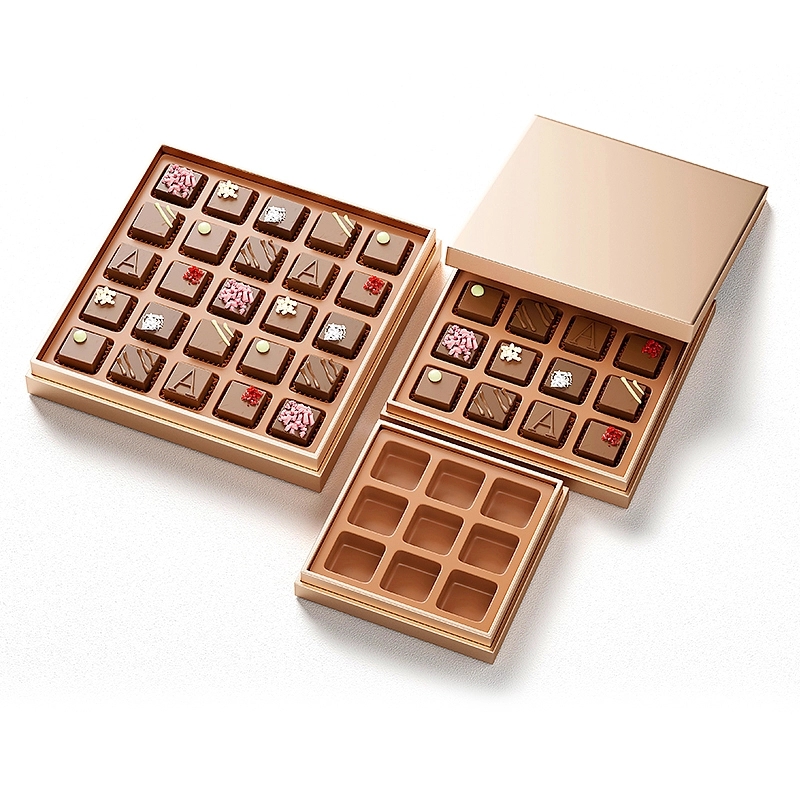
Dark Tones for Luxury Appeal
Colors like black, deep brown, and gold are often associated with premium chocolate boxes. These tones suggest richness, sophistication, and high quality, making them ideal for luxury brands.
Bright Colors for Energy and Fun
Bright hues such as red, yellow, and turquoise evoke excitement and joy. These are particularly effective for casual or youth-oriented chocolate brands looking to create a lively and approachable image.
Seasonal and Occasion-Based Palettes
Color selection also varies based on occasions. For example, red and pink dominate Valentine’s Day chocolate boxes, while gold and green are common during festive seasons. Adapting color schemes to specific events helps increase relevance and sales.
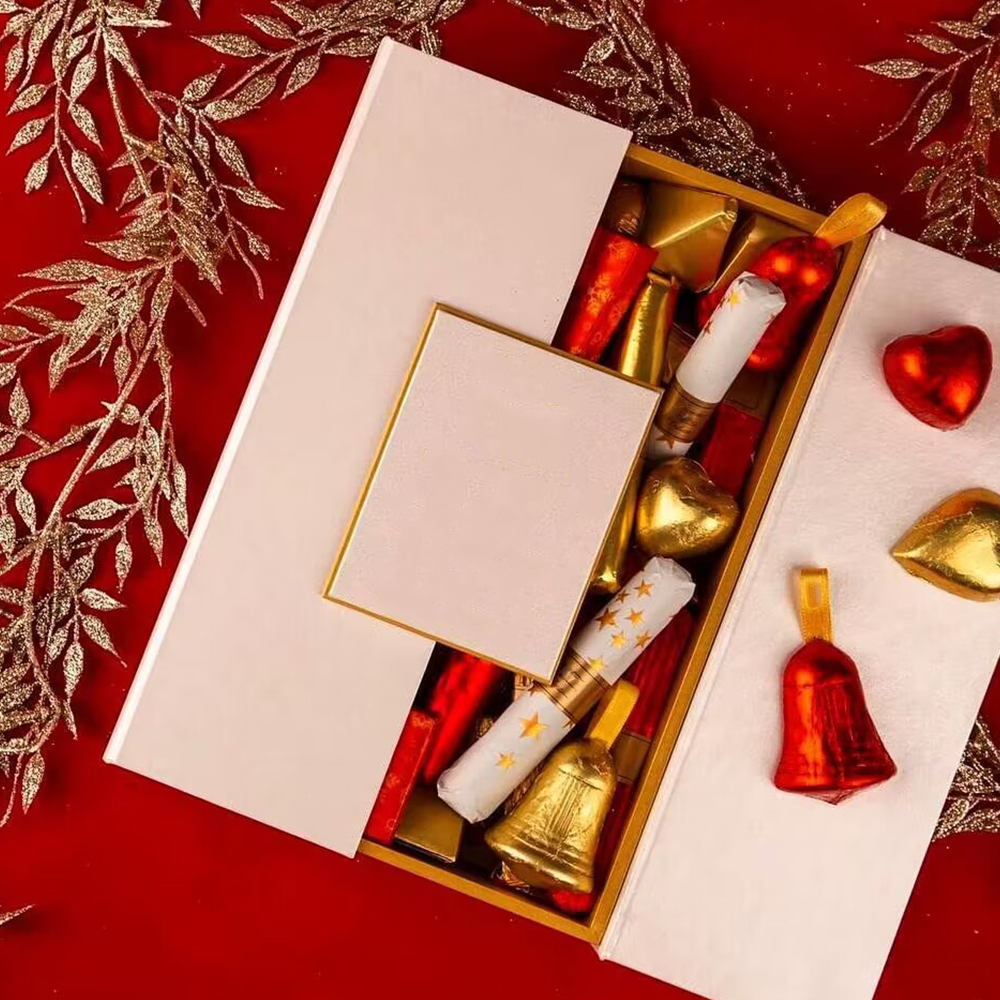
Premium Paper and Textures
High-quality paper materials, including embossed or textured finishes, can elevate the tactile experience of chocolate boxes. The feel of the packaging plays a significant role in shaping consumer perception.
Metallic and Foil Accents
Metallic finishes, foil stamping, and UV coating add a sense of luxury and refinement. These elements catch light and draw attention, making the packaging visually striking on shelves.
Sustainable Materials for Modern Consumers
Eco-friendly materials are increasingly important. Brands that use recycled paper or biodegradable packaging not only reduce environmental impact but also appeal to conscious consumers who prioritize sustainability.
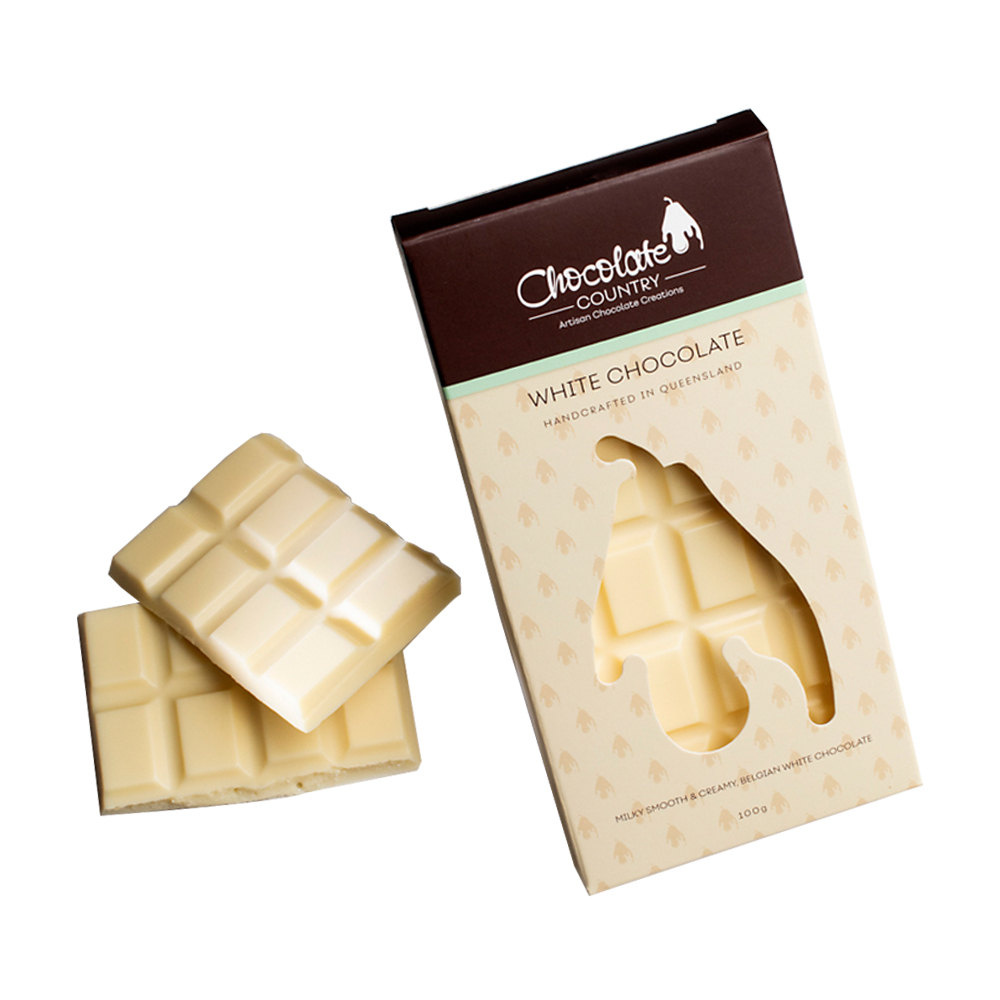
Limited-Edition Artistic Packaging
Some premium brands collaborate with artists to create limited-edition chocolate boxes. These designs often become collectibles, driving both sales and brand awareness. The exclusivity factor adds significant value.
Storytelling Through Packaging
Chocolate boxes that tell a story—whether about the origin of cocoa beans or the brand’s heritage—create a deeper connection with consumers. Visual storytelling elements like illustrations and typography enhance this narrative.
Social Media-Driven Design
Packaging designed with social media in mind can significantly boost visibility. Eye-catching chocolate boxes encourage customers to share photos online, effectively turning them into brand ambassadors.
Chocolate boxes have evolved into a powerful marketing tool that goes far beyond basic packaging. From innovative shapes and sustainable materials to strategic color choices and storytelling, every design element contributes to the overall brand experience. As consumer expectations continue to rise, brands must invest in creative and thoughtful packaging solutions to remain competitive. By embracing modern trends and focusing on both aesthetics and functionality, chocolate boxes can transform into memorable experiences that delight customers and drive long-term success.
Chocolate boxes are often the first thing customers notice, making them a key part of brand identity. Well-designed packaging communicates quality, builds trust, and creates an emotional connection with consumers, especially in gifting scenarios.
Current trends include minimalist styles, bold and colorful patterns, and eco-friendly packaging. Brands are also experimenting with unique shapes and interactive designs to create memorable unboxing experiences.
Color plays a major role in influencing consumer perception. Dark tones like black and gold suggest luxury, while bright colors evoke fun and excitement. Seasonal color palettes can also boost sales during holidays and special occasions.
High-quality materials such as embossed paper, rigid cardboard, and metallic finishes enhance the premium feel of chocolate boxes. At the same time, sustainable materials like recycled paper are becoming increasingly popular among environmentally conscious consumers.
Yes, custom chocolate boxes help brands stand out and connect with specific target audiences. Personalized designs, consistent branding, and visually appealing packaging can significantly increase product visibility, customer engagement, and ultimately sales.
Post time: Apr-14-2026


