


A Small Box With a Big Convenience Factor
The biggest selling point is simple: convenience. Instead of handing customers a separate cup holder and cake box, businesses can combine the two into one compact package. It keeps everything together and makes carrying dessert much easier.
For cafés, bakeries, and dessert shops, this little change can make a noticeable difference. Customers can pick up their order with one hand while using the other for their phone, keys, shopping bag, or just opening the car door. It sounds like a small thing, but small conveniences often make a brand more memorable.
Designed Around the Dessert
Of course, putting a cake and cup together isn’t as simple as making a box with two holes. The packaging needs to keep the dessert stable while preventing the drink from tipping over.
That means the internal structure matters. A good design may include a dedicated cup slot, a raised platform, dividers, or locking tabs. The cake section should also leave enough room for frosting and decorations without squeezing them.
Turning Packaging Into Part of the Experience
Packaging is often the first physical interaction customers have with a dessert brand. Before they taste the cake, they see the box. A clean logo, attractive typography, and thoughtful structure can instantly make the order feel more special.
That’s one reason custom packaging is becoming more popular. The box isn’t simply there to protect food. It can also communicate the personality of the business.
A Practical Choice for Cafés
For cafés, the cup and cake combination is especially useful. Think about a customer ordering an iced coffee with a cupcake, brownie, cheesecake slice, or mini tart. Traditionally, those items might come in separate containers.
A combo box brings them together.
The design can be adapted to different cup sizes and dessert shapes. For example, a shop selling 12-ounce drinks might use a compact box, while a business offering larger iced beverages may need a deeper compartment.
The important part is flexibility. Instead of forcing every product into the same packaging format, the box can be designed around the actual menu.
Perfect for Parties and Corporate Events
Cup and cake boxes can also work well for events. Birthday parties, office celebrations, product launches, bridal showers, and holiday gatherings often involve individually packed desserts.
A one-piece package makes distribution easier. Guests can simply pick up one box containing both the drink and dessert. For event organizers, that means less juggling and potentially less mess.
Custom printing can also turn the packaging into part of the event branding. A company logo, event name, date, or short message can be printed directly on the box.
Creating a Gift-Ready Look
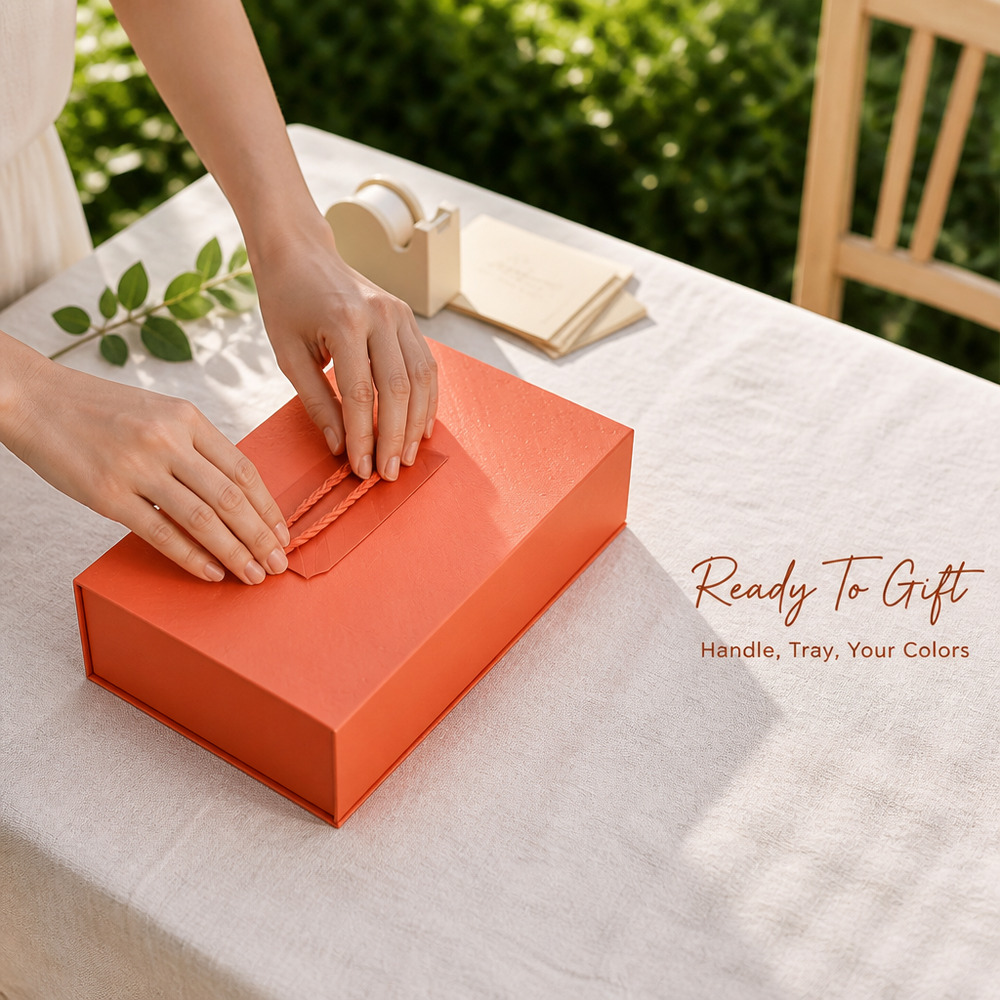
A dessert box doesn’t have to look like ordinary takeaway packaging. With the right material and finishing details, it can feel much closer to a gift box.
A bakery might add a thank-you message inside the lid. A café could print a short brand story. A wedding vendor might use elegant patterns that match the invitation design.
These details don’t need to be complicated. Sometimes a simple kraft box with a tasteful logo looks better than an overloaded design.
Stability Comes First
A good combo box should keep both products in place during normal handling. This is especially important for delivery orders, where boxes may be moved several times before reaching the customer.
The cup compartment should fit snugly without making it difficult to remove the drink. The dessert compartment should prevent unwanted movement while leaving enough clearance for toppings and frosting.
A little extra attention to the internal layout can make a huge difference.
Easy to Open, Easy to Carry
Nobody wants to wrestle with food packaging when they’re already holding a drink. The box should be intuitive. Customers should understand where to hold it and how to open it without touching the food.
Handles, locking tabs, and foldable structures can all be useful depending on the box style. For one-hand carrying, balance is particularly important. If the drink is much heavier than the dessert, the structure needs to compensate for that difference.
Material Choices Matter Too
Paperboard, kraft board, corrugated paper, and food-safe coated materials can all serve different purposes. The best choice depends on the weight of the products, moisture levels, expected transport time, and desired appearance.
For chilled drinks and moist desserts, moisture resistance can be especially important. A box that becomes soft after a few minutes can quickly lose its shape.
That’s why packaging should be tested with the actual products rather than judged only from a digital design.
Let Your Logo Do the Talking
You don’t need to cover every inch of a box with branding. A well-positioned logo can be enough. Pair it with a consistent font, simple graphic elements, or a recognizable pattern, and the package can become instantly associated with the business.
For smaller brands, this is a nice way to look more established without spending a fortune on complicated packaging.
Use Color With a Purpose
Color can help customers recognize a brand quickly. A bakery known for soft pastel desserts might choose a light, playful packaging style. A specialty coffee shop may prefer a more minimal, premium appearance.
The goal isn’t to follow every packaging trend. It’s to choose a visual style that makes sense for the product and the audience.
Add a Personal Touch
A short message can make standard packaging feel much warmer.
Something as simple as “Baked fresh for you” or “Thanks for treating yourself” can add personality. For seasonal promotions, the message can change without changing the entire packaging structure.
This is one advantage of custom printing: the box can communicate more than just what’s inside.
Less Mess, Less Stress
Desserts with frosting, sauces, fruit, or powdered sugar can be difficult to transport. When the cake and drink are moving separately, there’s more chance of spills or damaged desserts.
A properly designed combo box keeps everything in its place. Customers can carry the order from the counter to the car, office, picnic table, or party without needing another bag or tray.
Better for Takeaway and Delivery
Delivery puts packaging under more pressure. Boxes can tilt, bump into other packages, and experience temperature changes.
A custom structure can be designed around these real-world conditions. Stronger board, reinforced corners, secure closures, and separated compartments can all help protect the contents.
For businesses that rely heavily on delivery, packaging isn’t just presentation. It becomes part of product quality.
A Better Unboxing Moment
Even a simple cupcake and coffee can feel special when the packaging opens nicely. Customers may take photos, share the experience online, or simply remember the presentation.
That doesn’t mean every box needs to be luxurious. A clever opening mechanism or clean interior can create the same feeling with a much simpler design.
The best packaging often feels effortless. Customers shouldn’t have to think about why it works. They just notice that the whole experience feels easier.
Start With Your Exact Products
Measure the cup, cake, cupcake, lid, and any additional accessories. Consider the tallest point of the dessert, especially if it has cream or decorative toppings.
Small measurement mistakes can cause big problems once the packaging is produced in bulk.
Think About Your Typical Customer
Who will carry the box? A busy office worker may value a secure handle. A party customer may care more about appearance. A delivery customer may need stronger protection.
There isn’t one perfect packaging format for every situation. The right design depends on how customers actually use it.
Test Before Ordering in Bulk
Always test a prototype with the real products. Put the drink inside. Add the dessert. Close the box. Carry it around. Put it on a car seat. Try opening it with one hand.
If possible, test it with different cup sizes and dessert variations too.
A prototype can reveal issues that aren’t obvious on a computer screen. Maybe the cup is too tight. Maybe the cake section needs more height. Maybe the handle feels uncomfortable. Finding those problems early is much easier than fixing thousands of finished boxes.
Balance Appearance With Cost
Custom packaging doesn’t have to be expensive to look professional. Smart structural design, efficient material use, and simple printing can keep costs under control.
For businesses ordering large quantities, even a small change in material usage can affect the overall budget. That’s why it’s worth discussing dimensions, printing methods, finishes, and box construction before final production.
The cup and cake combo is a simple idea, but it solves several everyday packaging problems at once. Customers get a drink and dessert in one easy-to-carry package, while cafés, bakeries, and event businesses get another opportunity to showcase their brand.
The best Custom Dessert Boxes balance three things: protection, convenience, and presentation. They keep the dessert looking good, make the drink easier to carry, and give the business a physical way to express its identity.
More importantly, good packaging doesn’t need to be complicated. A smart compartment layout, sturdy material, easy opening, and thoughtful branding can go a long way.
When customers can grab their cup and cake with one hand and walk away without worrying about spills, crushed frosting, or awkward bags, the packaging has done exactly what it should do. It makes the whole dessert experience a little easier—and sometimes, that small difference is what brings customers back.
Custom Dessert Boxes are designed to package desserts in a way that protects the food while also making it easier to carry and present. For a cup and cake combo, the box can hold both items in separate compartments, making it convenient for cafés, bakeries, events, and takeaway orders.
Yes. A properly designed box can include a dedicated space for a drink cup and another compartment for a cupcake, mini cake, pastry, brownie, or similar dessert. The internal structure can be adjusted based on the size and weight of the products.
Common options include food-safe paperboard, kraft board, and corrugated paper. The right material depends on factors such as dessert weight, moisture, transportation time, and the overall look a business wants. For cold drinks or moist desserts, moisture-resistant materials can be particularly useful.
Absolutely. Businesses can customize the exterior with logos, colors, patterns, messages, and other brand elements. Even a simple logo and clean design can make takeaway packaging look more professional and help customers recognize the brand.
Start by measuring your actual cups, lids, cakes, and other desserts. Pay attention to height, width, weight, and toppings. It’s also a good idea to test a prototype before placing a large order. A practical box should keep the food secure, be comfortable to carry, open easily, and still match your brand style.
Post time: Sep-22-2026


