


Here's a scenario I've seen play out more times than I can count. A date producer in the Gulf spends years perfecting their crop. The fruit is gorgeous—plump, glossy, bursting with natural sweetness. They land a big export deal with a supermarket chain in Europe. Everything looks golden. Then the shipment arrives. Boxes have crushed corners. Some dates are squashed. Others dried out because the packaging didn't hold up. The buyer rejects the entire consignment.
Heartbreaking? Absolutely. Avoidable? One hundred percent.
Exporting dates isn't just about having great fruit. The packaging makes or breaks your reputation—and your bottom line. I've spent the better part of a decade working with food packaging manufacturers, and I'll tell you straight: dates packaging for export requires a completely different mindset than selling domestically. Longer transit times. Tougher handling. Different food safety regulations. Climate swings from desert heat to air-conditioned warehouses to damp European winters. Your box needs to survive all of that, while keeping your dates looking and tasting like they just left the farm.
In this article, I'm going to walk you through what actually matters when sourcing packaging for date exports. No fluff. No corporate jargon. Just practical stuff you can use.
Most packaging fails before the container even reaches the port. I'm not being dramatic. A standard cardboard box that works fine for domestic delivery to a local supermarket will get absolutely punished on an international journey. Your dates packaging for export gets stacked six pallets high in a container that might hit 50°C during the day and drop to 15°C at night. Condensation forms. Cardboard weakens. Glue softens. Boxes collapse.
And dates? Dates are unforgiving. They're sticky. They're heavy for their size. They release moisture. If your packaging isn't engineered with these realities in mind, you get grease stains bleeding through the board within days. The box looks old and unappetizing before it even hits the shelf. A European retail buyer will reject that on sight.
Export-grade packaging needs structural integrity that domestic boxes simply don't have. We're talking about thicker board grades, double-wall corrugated for outer cartons, and inner boxes with grease-resistant coatings. Not optional extras. Baseline requirements.
Beyond the physical beating, there's the regulatory side. Different countries have wildly different standards for food contact materials. The EU's Regulation (EC) No 1935/2004 is strict about what can touch food. The FDA has its own rules. Saudi Arabia and other Gulf states have specific labeling requirements. Your dates packaging for export partner needs to understand this regulatory patchwork, or you're walking into a compliance minefield.
Let's get specific about materials, because this is where a lot of date exporters get burned.
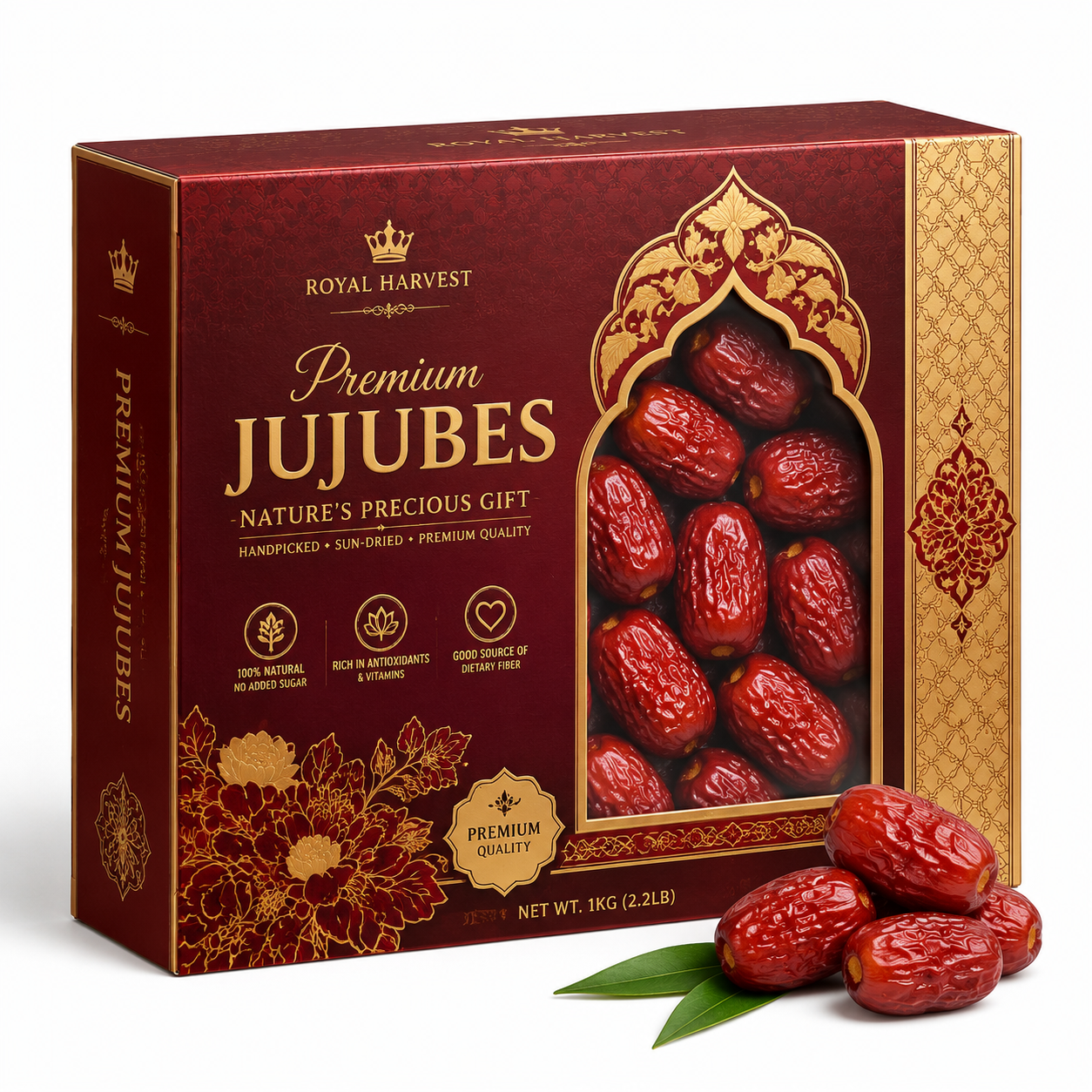
For the outer shipping carton, don't even think about single-wall corrugated unless you're shipping very small quantities. Double-wall or even triple-wall corrugated board is what protects your product when it's being forklifted, stacked, and jostled across oceans. Inside that outer carton, your consumer-facing boxes need different protection altogether.
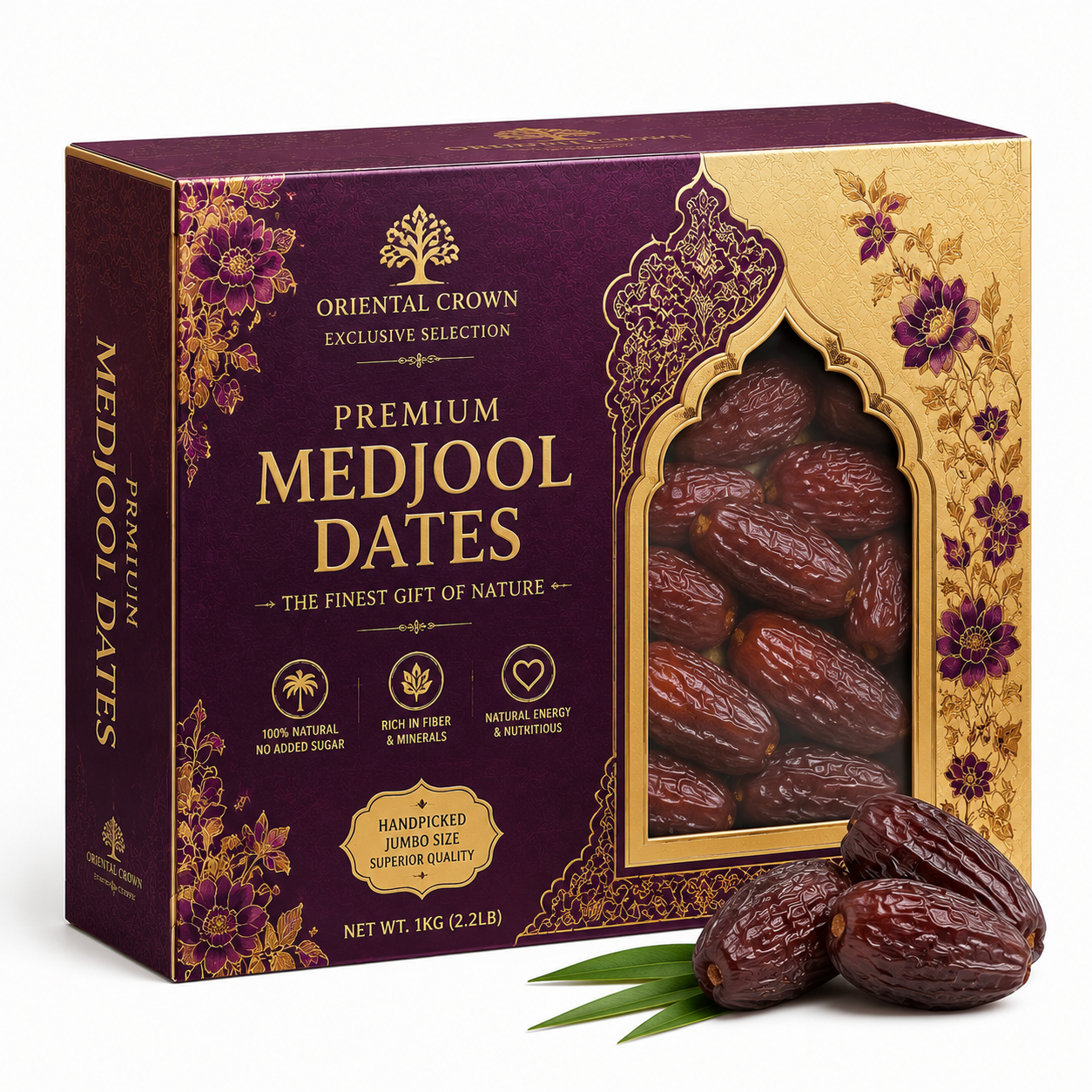
For premium date varieties like Medjool or Ajwa that command high prices in export markets, rigid boxes with a grease-resistant inner coating are the standard. The coating stops natural date oils from leaching into the paperboard and creating those unappetizing dark spots that make a box look old and damaged. Some producers opt for a PET or PLA inner tray that keeps each date in its own compartment—yes, it adds cost, but the perceived quality jump is massive.
If you're exporting value-pack dates to mainstream supermarkets, folding cartons with a water-based barrier coating are cost-effective and increasingly popular. They're lighter than rigid boxes, ship flat to save freight costs, and still resist oil penetration for weeks if properly engineered.
One material trend I'm watching closely: recyclable metallized paper liners. They offer moisture protection similar to traditional foil laminates but the entire box can go into paper recycling. European buyers are starting to ask for this specifically. If you want to future-proof your dates packaging for export, get ahead of this curve now.
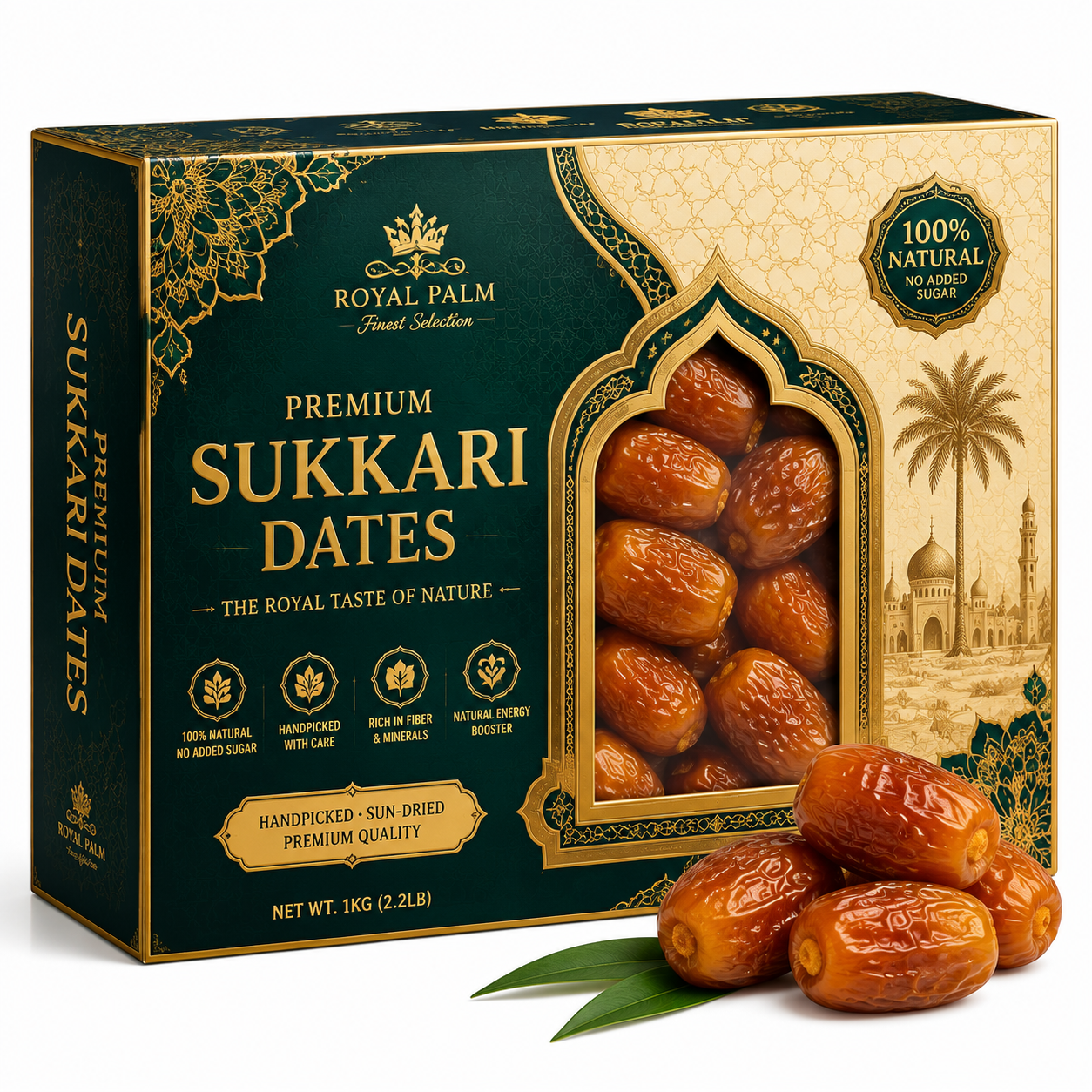
We are also offering finishing options such as glossy and matte look which gives the custom printed candy boxes a final touch. They can add sparkle to your design and also give added protection.
| Feature | Application | Cost Impact |
| Printing: Digital | Small quantities, complex color layouts | Low setup cost, high per-unit cost |
| Printing: Offset | High quantities, precise color matching | High setup cost, low per-unit cost |
| Finish: Gloss Lamination | For a bright, eye-catching look; it also protects | Low-Medium |
| Finish: Matte Lamination | For an elegant, classy, modern look | Low-Medium |
| Finish: Spot UV | To show a logo or highlight a specific design | Medium |
| Finish: Foil Stamping | For products with luxury and a premium feel (gold, silver) | High |
| Finish: Embossing/Debossing | Creating the feel of texture and the 3D effect | Medium-High |
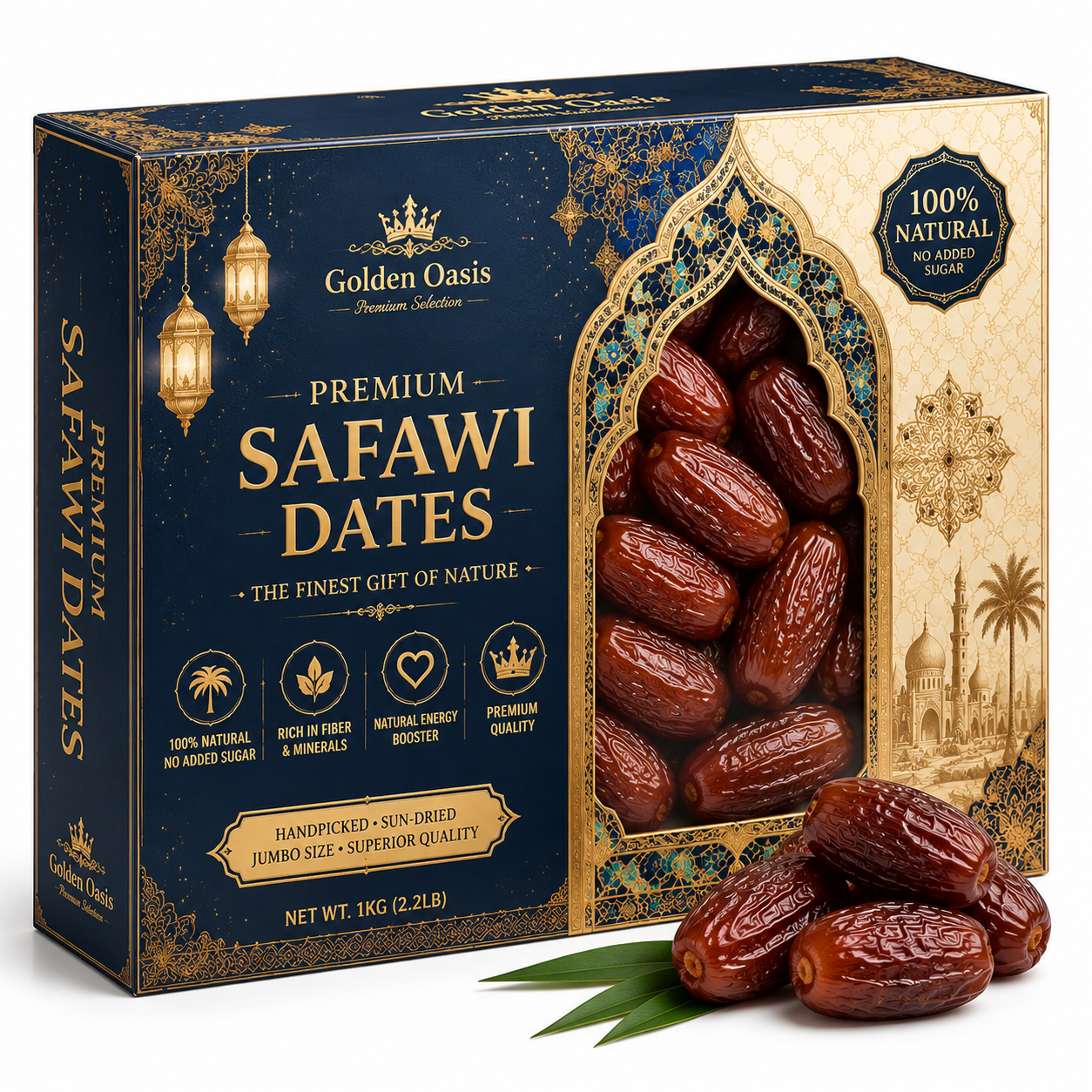
Here's something that separates the pros from the amateurs. Your box isn't just a container. It's your brand's handshake with a customer who might be thousands of miles away. When sourcing dates packaging for export, structural design choices directly influence how your product is perceived—and whether it survives.
Snug internal fit matters enormously. Dates that rattle around inside the box during transit will bruise each other. A well-designed insert—whether it's a molded pulp tray, a cardboard lattice, or a thermoformed PLA tray—holds each piece in place. It also creates a beautiful presentation when the customer opens the box.
Window placement is another detail that can make or break a sale. European and North American shoppers love seeing what they're buying. A clear window with a high-clarity film (ideally compostable PLA rather than PVC) lets your dates sell themselves. But position it carefully. Too large, and you compromise structural strength. Too small, and it looks cheap. The sweet spot is a window that showcases the best side of your dates without weakening the box's corners.
One insider tip: if you're exporting to colder climates, avoid glossy laminations on the outer box. They look premium in showrooms but get brittle and crack when temperatures drop. Soft-touch matte finishes hold up better across temperature swings and feel more luxurious anyway. Scandinavian and German buyers in particular gravitate toward this finish.
f there's one section you actually read carefully, make it this one. International food packaging regulations trip up even experienced exporters.
When vetting dates packaging for export suppliers, ask directly about their certifications. A legitimate manufacturer serving export markets will have documentation ready. ISO 22000 for food safety management is the baseline. BRCGS (Brand Reputation through Compliance Global Standards) certification carries serious weight with European and North American retailers. FSC chain-of-custody certification matters increasingly to buyers who want proof their packaging doesn't contribute to deforestation.
Migration testing deserves special attention. Dates are fatty. Fat-soluble compounds from printing inks can migrate through paperboard into your product if the packaging isn't engineered correctly. Ask your supplier for low-migration ink certifications and barrier test reports. If they can't produce these, walk away. A single failed food safety test at an EU border can get your entire shipment destroyed and your exporter status flagged.
Labeling is another headache. Different markets want different things. The EU requires allergen declarations, net weight in metric, and specific origin labeling. The US wants Nutrition Facts panels in FDA format. Gulf countries often require Arabic text alongside English and specific halal certification marks. Your packaging supplier should provide templates that accommodate multilingual printing and leave clear spaces for variable information like batch codes, production dates, and country-specific certifications.
Let's talk about money and practicalities, because beautiful packaging that blows your budget isn't helpful.
When pricing dates packaging for export, don't just look at the per-unit box cost. An export-grade box will almost always cost more than a domestic equivalent—but think in terms of total landed cost. A box that prevents product damage, avoids rejected shipments, and commands a higher retail price is an investment, not an expense.
Minimum Order Quantities vary widely. A factory producing rigid luxury boxes might want 1,000-3,000 units per design. Folding carton manufacturers using digital printing can go as low as 200-500 units. If you're testing a new export market, start small with digital print, validate the market, then scale up with offset printing when volumes justify it.
Shipping and storage also shape packaging decisions. Boxes that nest efficiently or ship flat significantly reduce freight costs on container loads. Ask your supplier about nest ratios and flat-packed options. And if you're shipping dates during summer months, factor in insulated container costs—no amount of clever packaging design can protect dates from three weeks in an unrefrigerated container crossing the equator.
One final piece of advice: build a buffer into your timeline. Factory production takes 15-25 days. Sea freight adds 2-5 weeks depending on destination. Customs clearance can add unexpected delays. For Ramadan export shipments, which are a massive spike for date producers, I recommend finalizing packaging orders at least 3-4 months before your target shelf date. Late packaging means rushed shipping, which means air freight costs that can wipe out your profit margin entirely.
You'll want your supplier to provide ISO 22000 certification as a minimum, plus documentation showing compliance with EU Regulation (EC) No 1935/2004 for food contact materials. If your packaging has a window or inner tray, those components need separate compliance proof. Don't just take a verbal assurance—get the actual certificates on file before your shipment leaves. European border control is strict and getting stricter.
This is the number one complaint I hear from buyers. The solution is a barrier coating on the inside of the box. Water-based coatings are common, but for heavy, oily dates like Medjool, a thin PET liner or a specialized grease-resistant paperboard gives better protection. Test samples with actual dates stored inside for two weeks before committing to a full production run.
Probably not without some adjustments. Labeling requirements differ—Saudi Arabia needs Arabic text and specific halal markings, while the UK requires metric weights, specific allergen declarations, and often a different nutritional panel format. A good approach is designing a core box structure that works for both markets, then printing market-specific outer sleeves or stickers.
Start with a well-constructed folding carton with a grease-resistant inner coating, digital printed so you can order as few as 300-500 units. Add a simple die-cut cardboard insert to hold dates in place. Skip expensive finishes like foil stamping until your volume justifies it. This setup gives you export-ready protection and a clean, professional look without the premium price tag of rigid boxes.
If your dates are traveling through tropical heat in a standard container, yes. The packaging alone won't protect against sustained high temperatures. Use insulated container liners or, for smaller shipments, insulated box liners with gel packs. Factor this cost into your export pricing upfront. A melted, sticky mess at the destination costs far more than proper thermal protection from the start.
Post time: Jun-24-2026


