


In today’s increasingly competitive chocolate market, flavor is no longer the sole criterion for consumer choice. Exquisite, distinctive packaging often establishes a brand impression the moment a consumer encounters the product. Consequently, partnering with a professional chocolate packaging company to enhance visual value through personalized design has become a crucial strategy for brand differentiation.
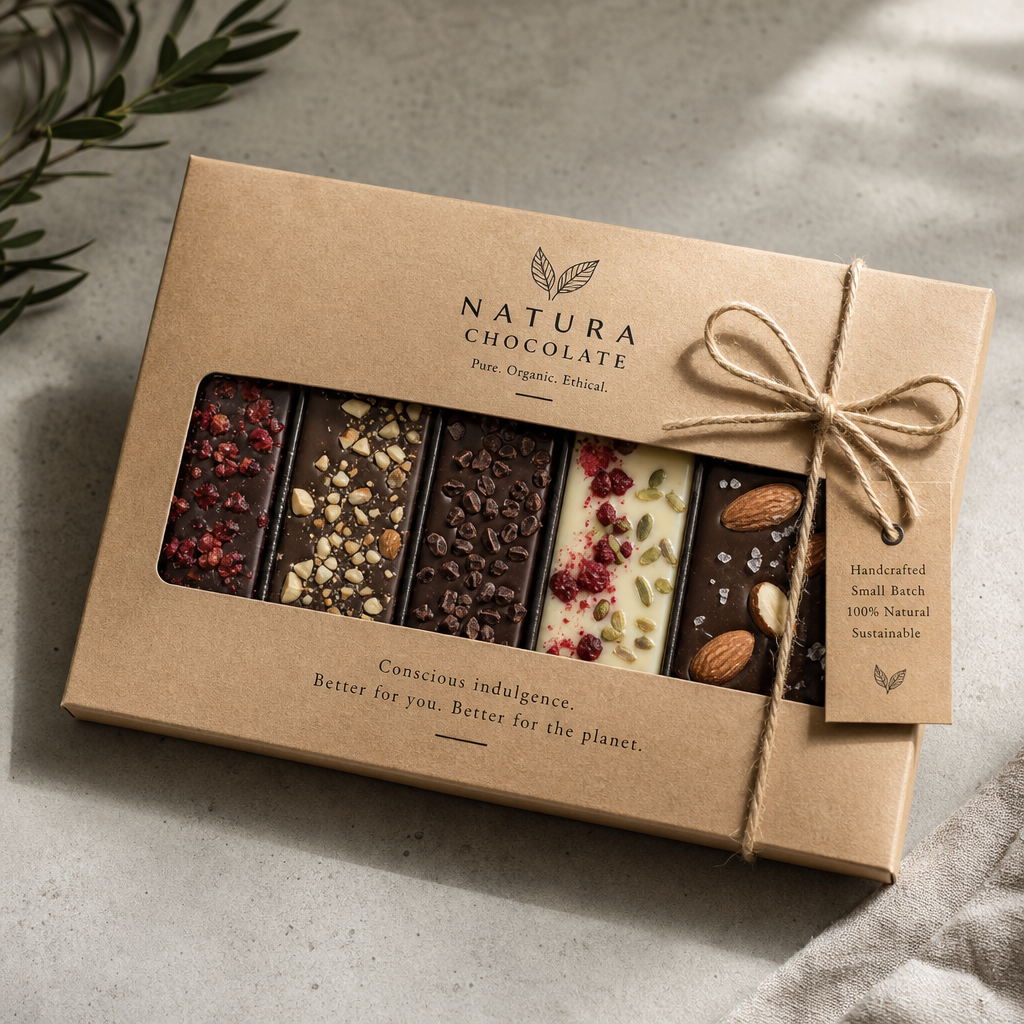
Beyond visual design, packaging materials and printing techniques significantly influence the consumer experience. Various paper types, surface textures, and finishing techniques—such as hot stamping, embossing, and UV coating—can impart unique tactile and visual qualities to the packaging.
For instance, subtle embossing adds depth and dimension, while spot hot stamping conveys refinement and luxury. By combining design with expert craftsmanship, brands can create a more immediate and tangible brand experience for the consumer.
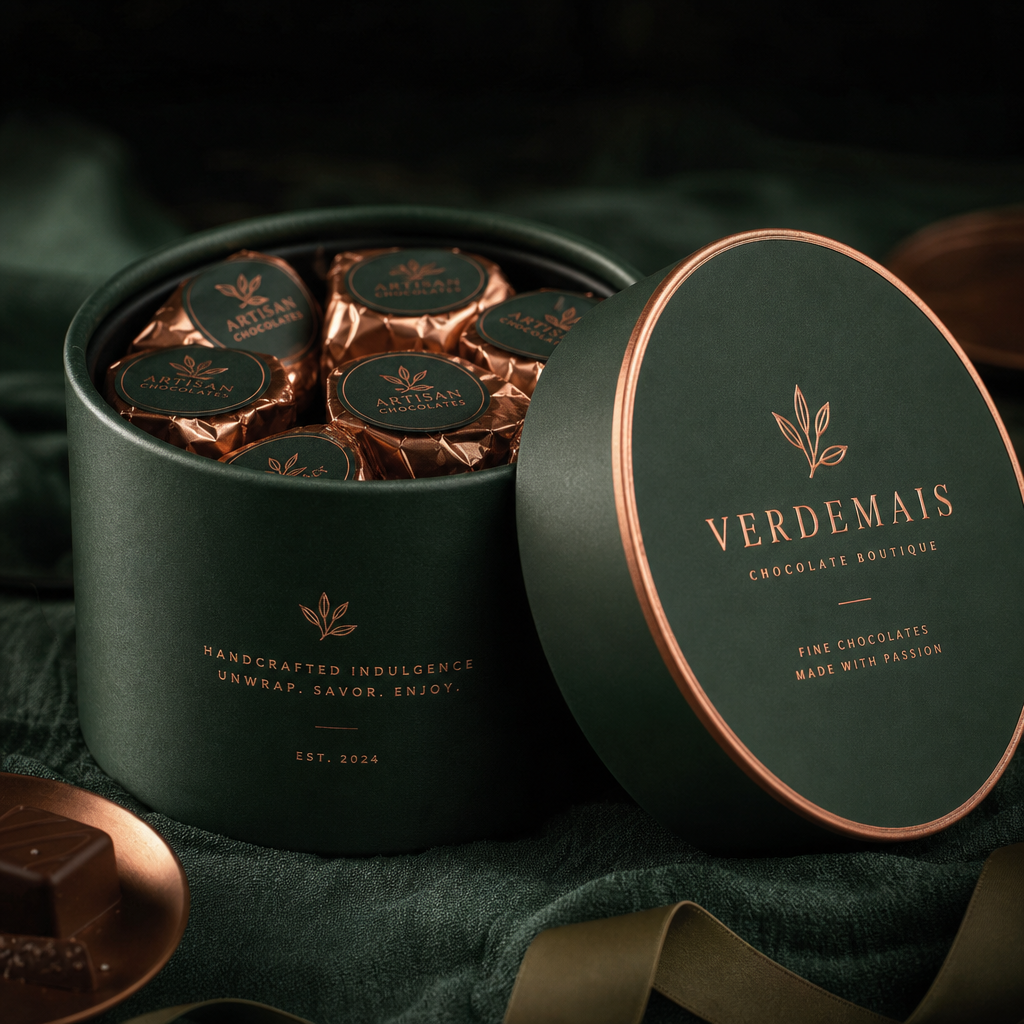
Personalized chocolate packaging goes beyond merely changing colors or adding patterns; it must align with the brand's positioning. High-end chocolates might employ a minimalist, refined design language to convey a sense of luxury, while brands targeting younger consumers might incorporate bold colors, playful illustrations, or unique typography to evoke energy and interactivity.
Professional packaging companies develop comprehensive plans based on the brand story, target audience, and product characteristics, ensuring that the design is not only visually appealing but also effectively communicates brand values.
We are also offering finishing options such as glossy and matte look which gives the custom printed candy boxes a final touch. They can add sparkle to your design and also give added protection.
| Feature | Application | Cost Impact |
| Printing: Digital | Small quantities, complex color layouts | Low setup cost, high per-unit cost |
| Printing: Offset | High quantities, precise color matching | High setup cost, low per-unit cost |
| Finish: Gloss Lamination | For a bright, eye-catching look; it also protects | Low-Medium |
| Finish: Matte Lamination | For an elegant, classy, modern look | Low-Medium |
| Finish: Spot UV | To show a logo or highlight a specific design | Medium |
| Finish: Foil Stamping | For products with luxury and a premium feel (gold, silver) | High |
| Finish: Embossing/Debossing | Creating the feel of texture and the 3D effect | Medium-High |
Truly exceptional chocolate packaging design balances a unique style with considerations for product protection, transportation, and ease of use. A well-designed internal structure minimizes the risk of damage during transit while making the product easy for consumers to open and store.
Therefore, when selecting a packaging partner, brands should evaluate not only design capabilities but also comprehensive expertise in structural design, material application, and production techniques.
Distinctive chocolate packaging serves as a form of silent brand promotion. When a design establishes a consistent visual identity, consumers can instantly associate the brand with the product simply by seeing its colors, graphics, or logo.
Professional chocolate packaging companies typically offer services such as box design, custom sizing, material selection, printing, and surface finishing. Brands can create bespoke packaging that aligns with their unique style, based on product specifications and market positioning.
Common materials include white cardstock, coated paper, specialty paper, corrugated cardboard, and eco-friendly paper options. These materials vary in texture, load-bearing capacity, and cost, allowing for selection based on the specific chocolate product and shipping requirements.
Brand personality can be highlighted through elements such as signature colors, logos, illustrations, typography, patterns, and unique structural designs. Additionally, techniques like hot stamping, embossing, and spot UV coating can further enhance the packaging's visual distinctiveness.
Most professional packaging companies offer prototyping services. Prototypes allow for the verification of dimensions, colors, materials, and print quality beforehand, enabling design adjustments prior to mass production and thereby reducing production risks.
In switching to low-waste methods, you should choose materials like recycled Kraft paper or FSC-certified paperboard,which means it has been grown sustainably. Use soy-based inks in place of plastic coatings. A design which is simple, elegant, and made of recyclable materials will appeal to customers who care about the environment.
Post time: Sep-14-2026


