


In the fiercely competitive chocolate market, while product taste is crucial, packaging design often determines a consumer's first impression. Today, more and more chocolate brands are emphasizing personalized packaging, creating unique brand visual identities through different shapes, sizes, and creative structures. For chocolate packaging manufacturers, combining creative design with practical functionality has become a key strategy for attracting customers.
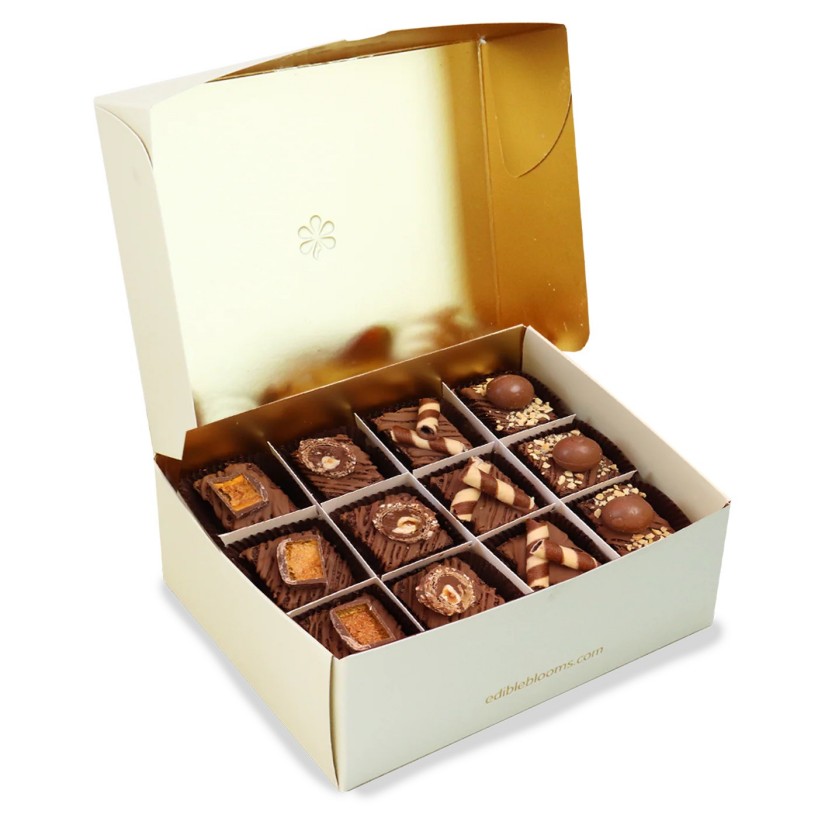
Drawer-Style Chocolate Boxes
Drawer-style structures have become very popular in recent years, especially for high-end chocolate brands. Opening the packaging creates a sense of "ritual" for consumers, effectively enhancing the product experience.
This type of packaging typically offers the following advantages:
Exquisite structure
Suitable for gift box series
Allows the addition of inner tray designs
Easier to project a premium feel
Many brands incorporate gold-stamped logos, ribbons, or magnetic closures inside the drawers to further enhance the product's premium feel.
Hexagonal and Irregularly Shaped Packaging Boxes
While traditional square packaging is classic, irregularly shaped packaging is more likely to attract consumers' attention.
For example:
Hexagonal gift boxes
Heart-shaped chocolate boxes
Cylinder packaging
Triangular packaging
Book-style packaging boxes
These unique structures enhance visual impact, making them ideal for holiday marketing and limited-edition products.
Younger consumers, in particular, are more easily attracted to novel packaging, thus encouraging impulse purchases.
Transparent Window Packaging Design
An increasing number of chocolate packages are adopting transparent PVC window designs, allowing consumers to directly see the product.
This design can:
Enhance product authenticity
Boost consumer trust
Showcase chocolate craftsmanship details
Increase shelf appeal
For handcrafted chocolate brands, transparent windows better reflect the product's value.
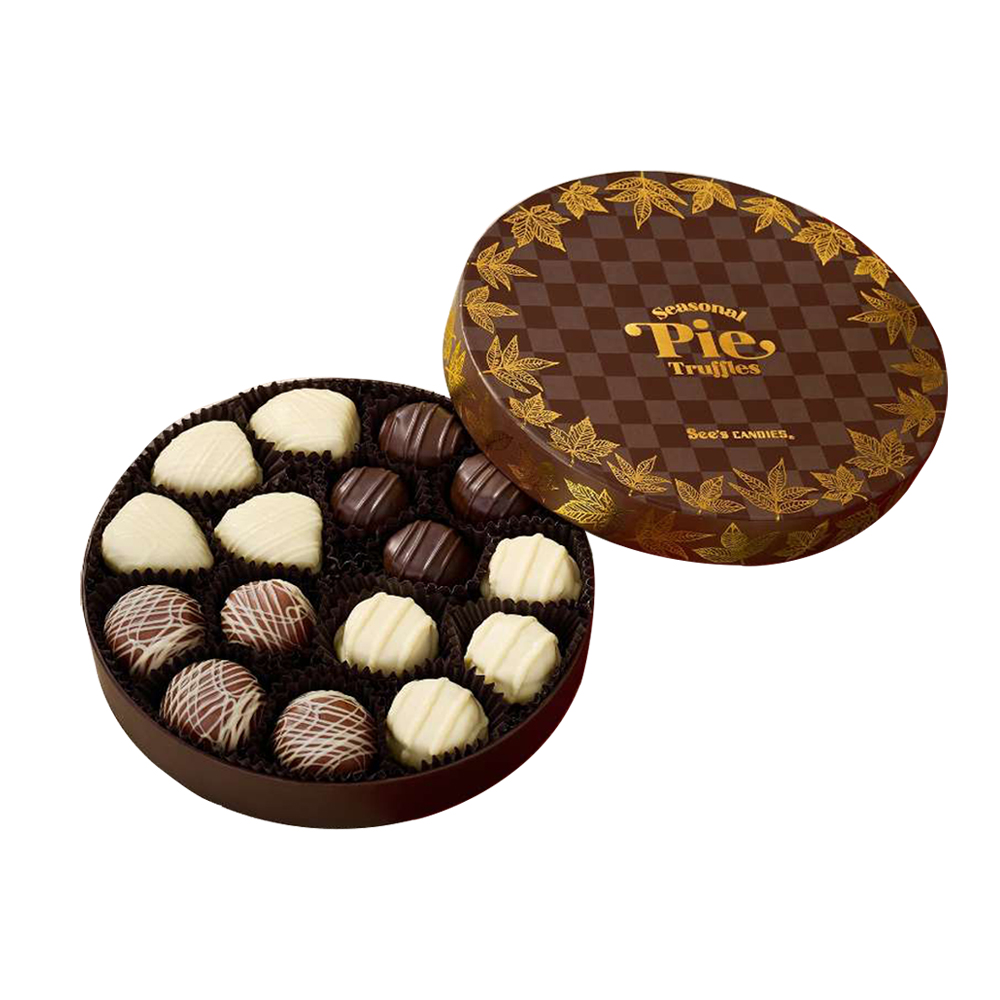
As consumers' aesthetic standards continue to rise, traditional, single-format packaging is no longer sufficient to meet market demands. This is especially true in the holiday gift, high-end customized, and trendy snack markets, where consumers increasingly prefer products with visual appeal and distinctive brand characteristics.
Personalized chocolate packaging is not merely an upgrade in appearance; it's a brand marketing strategy. Excellent packaging can:
Enhance product prestige
Strengthen consumer recall
Increase social media reach
Enhance gift value
Boost brand recognition
Especially in occasions like Valentine's Day, Christmas, and wedding favors, creative packaging often resonates with consumers more effectively than the product itself.
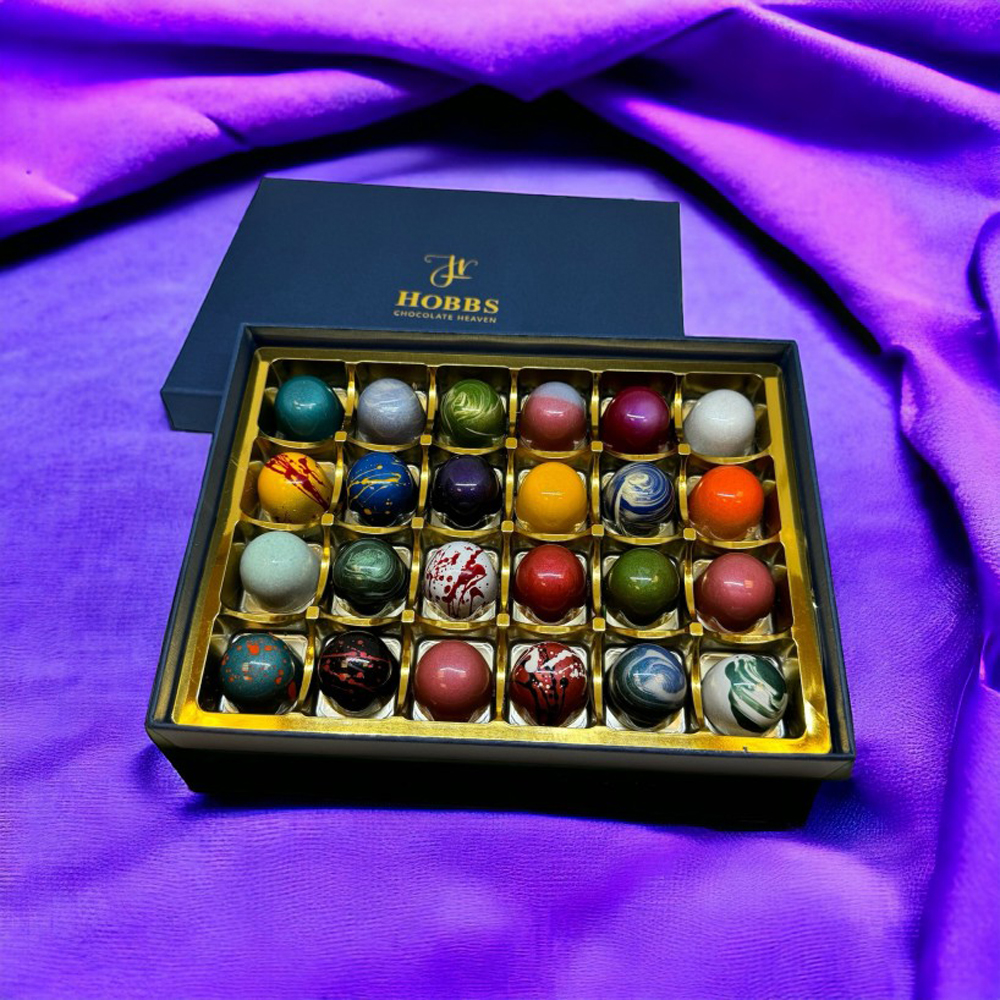
We are also offering finishing options such as glossy and matte look which gives the custom printed candy boxes a final touch. They can add sparkle to your design and also give added protection.
| Feature | Application | Cost Impact |
| Printing: Digital | Small quantities, complex color layouts | Low setup cost, high per-unit cost |
| Printing: Offset | High quantities, precise color matching | High setup cost, low per-unit cost |
| Finish: Gloss Lamination | For a bright, eye-catching look; it also protects | Low-Medium |
| Finish: Matte Lamination | For an elegant, classy, modern look | Low-Medium |
| Finish: Spot UV | To show a logo or highlight a specific design | Medium |
| Finish: Foil Stamping | For products with luxury and a premium feel (gold, silver) | High |
| Finish: Embossing/Debossing | Creating the feel of texture and the 3D effect | Medium-High |
Small Portable Packaging
Small-sized chocolate packages are more suitable for modern fast-paced consumption scenarios.
Features include:
Easy to carry
More suitable for the snack market
Controls single serving size
Facilitates multi-flavor combination sales
Many brands now offer mini individual packaging to boost sales through bundled sales.
Examples:
Single piece packaging
Small bag packaging
Bar packaging
Mini gift boxes
This type of packaging is particularly suitable for convenience stores, e-commerce platforms, and vending machines.
Medium-sized family-friendly sharing packaging
Medium-sized packaging is typically suitable for family consumption or sharing with friends.
This size design places greater emphasis on:
Packaging durability
Sealing performance
Food preservation ability
Ease of repeated opening
Manufacturers often use zippered pouches, self-sealing structures, or magnetic flip-top designs to enhance the user experience.
Large-size, high-end gift box packaging
High-end gift box packaging places greater emphasis on visual impact and brand image.
Common features include:
Multi-layer structure
Exquisite inner tray
Hot foil stamping
UV printing
Magnetic closure
Custom ribbon
Many companies also offer personalized customization services, such as:
Company logo printing
Holiday-themed designs
Custom text greetings
VIP customer gift box design
This type of packaging is in extremely high demand in the business gift market.
Focusing on Environmentally Friendly Packaging Materials
With increasing environmental awareness, more and more consumers are paying attention to the sustainability of packaging.
Currently popular environmentally friendly materials include:
Biodegradable paper
Kraft paper packaging
Recyclable cardboard boxes
Vegetable-based ink printing
FSC-certified paper materials
Environmentally friendly packaging not only enhances brand image but also aligns with international market trends.
Especially in the European and American markets, the requirements for environmentally friendly packaging are becoming increasingly stringent.
Integrating Brand Story into Design
Excellent chocolate packaging is more than just a container; it's an extension of the brand culture.
Packaging manufacturers can help clients:
Design a brand visual identity
Create a unified color scheme
Add brand story elements
Strengthen emotional expression of the brand
For example: Handmade chocolate brands can adopt a retro illustration style; trendy young brands can use bold color blocking and unique patterns.
Enhancing Quality Through Craftsmanship Details
High-quality packaging often relies on meticulous craftsmanship.
Common high-end techniques include:
Hot stamping (gold/silver)
Embossing
Spot UV coating
Laser engraving
Embossing
Decorative printing
Soft lamination
These techniques give packaging a more premium feel and enhance consumers' perception of the brand's value.
With the continuous growth of online sales, chocolate packaging must not only be aesthetically pleasing but also provide protection during transportation.
Therefore, modern packaging design needs to consider:
Compression resistance
Moisture resistance
Shockproof structure
Transportation safety
Many manufacturers are beginning to adopt:
Thickened corrugated cardboard structure
EVA cushioning inserts
Food-grade protective film
Collision-resistant dividers
This reduces transportation damage and enhances the consumer's unboxing experience
The future chocolate packaging market will place greater emphasis on "personalization + branding + environmental friendliness."
Consumers are no longer satisfied with ordinary packaging; they are increasingly seeking:
Unique visual experiences
Social sharing value
Customized design
High-end gift attributes
For chocolate packaging manufacturers, only by continuously innovating packaging structures, enhancing design capabilities, and optimizing production processes can they stand out in the market competition.
Common materials for chocolate packaging include:
White cardboard
Kraft paper
Corrugated cardboard
Food-grade plastics
PET transparent material
Aluminum foil composite material
Yes. Professional chocolate packaging manufacturers typically support customization of various irregular shapes, such as: Heart-shaped boxes, Hexagonal gift boxes, Cylindrical packaging, Drawer-style packaging, Book-style gift boxes, Magnetic flip-top boxes.
Personalized shapes can enhance product appeal and are more suitable for holiday gift boxes and the high-end market.
Chocolate is a food product, therefore its packaging must meet food safety requirements, including: Use of food-grade materials; printing with non-toxic and environmentally friendly inks; moisture-proof and pollution-proof design; and compliance with FDA or EU food packaging standards.
Packaging requirements may vary when exporting to different countries.
Requirements vary by manufacturer.
Generally: Standard packaging boxes: 500-1000 pieces minimum order. High-end custom gift boxes: 1000 pieces or more. Small batches of digitally printed boxes: 100-300 pieces can also be produced.
The specific quantity will depend on the materials, size, and complexity of the process.
In switching to low-waste methods, you should choose materials like recycled Kraft paper or FSC-certified paperboard,which means it has been grown sustainably. Use soy-based inks in place of plastic coatings. A design which is simple, elegant, and made of recyclable materials will appeal to customers who care about the environment.
Post time: May-12-2026


