


When customers buy chocolate, they are not only paying for flavor. They are also paying for presentation, safety, and the whole unboxing experience. That’s why more chocolate brands are now investing heavily in high-quality Custom Chocolate Boxes that look premium and arrive in perfect condition.
But here’s the challenge: sourcing packaging with zero defects is harder than most businesses expect. A tiny printing issue, weak corners, poor inserts, or color mismatches can completely ruin the customer experience. In the chocolate business, packaging mistakes can directly hurt your brand image.
The good news? With the right sourcing strategy and the right packaging supplier, you can dramatically reduce defects and improve consistency. In this guide, we’ll walk through practical ways to source reliable chocolate packaging without wasting money or time.
Look Beyond Cheap Pricing
One of the biggest mistakes buyers make is choosing suppliers based only on price. Low-cost packaging often creates bigger costs later through damaged products, reprints, delayed shipments, and unhappy customers.
Reliable manufacturers usually focus on quality control first. Companies like Fuliter Paper Box emphasize strict inspection systems, advanced printing equipment, and flexible production processes to maintain packaging consistency.
A good packaging supplier should be transparent about:
- Material sourcing
- Printing methods
- Production timelines
- Quality inspection standards
- Sampling procedures
If they avoid these questions, that’s already a warning sign.
Check Their Chocolate Packaging Experience
Not every box factory understands chocolate packaging. Chocolate products are sensitive to heat, pressure, and movement during shipping. This means your Custom Chocolate Boxes need structural stability, food-safe materials, and carefully designed inserts.
Experienced suppliers understand details like:
- Moisture-resistant coatings
- Rigid box construction
- Food-grade inner trays
- Luxury finishing techniques
- Shipping protection requirements
Working with a manufacturer that already specializes in chocolate packaging saves a lot of trial and error.
Ask for Real Samples
Photos can hide problems. Always request physical samples before placing large orders.
Check the sample carefully:
- Are the edges clean?
- Is the printing sharp?
- Does the magnetic closure align properly?
- Are colors accurate?
- Does the insert hold chocolates securely?
Sometimes a box looks amazing online but feels cheap in real life.
Cheap Materials Create Expensive Problems
The packaging material directly affects product safety and customer perception. Thin cardboard may reduce costs, but it often leads to crushed corners, bent lids, and damaged chocolates during transport.
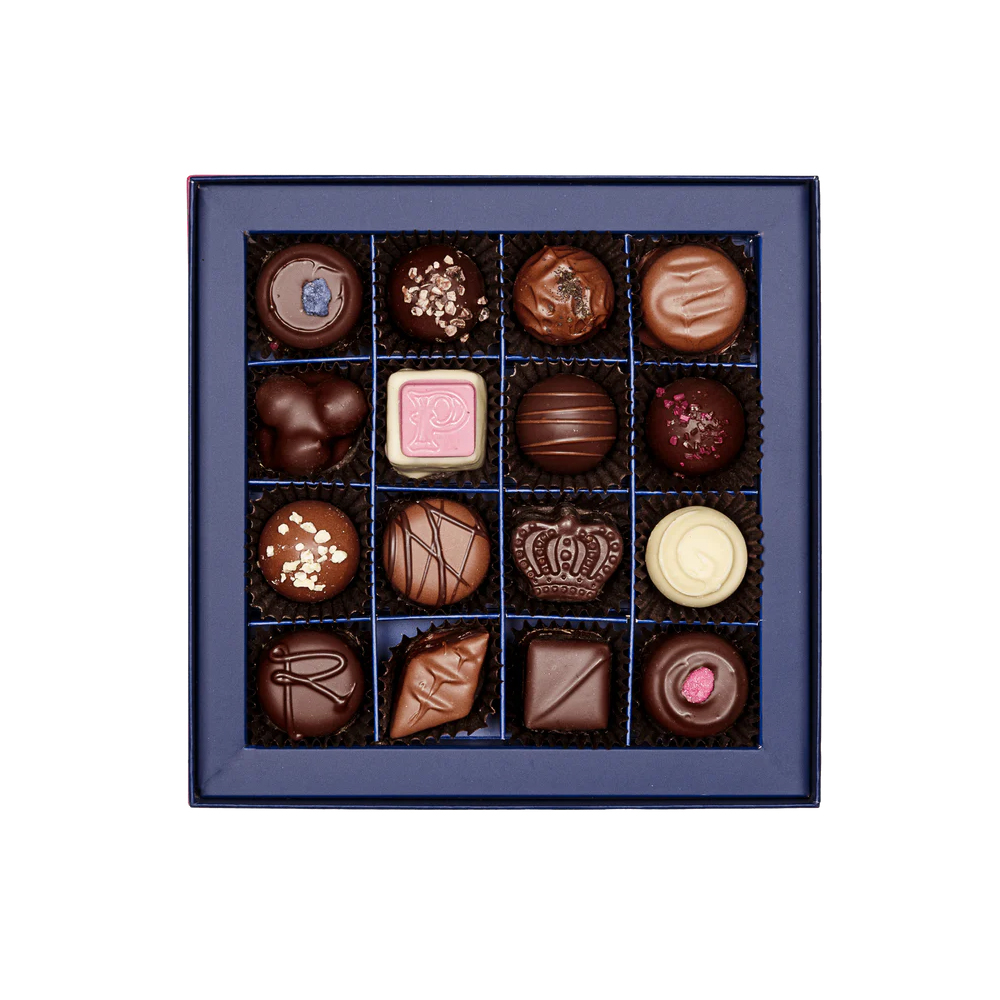
Premium Custom Chocolate Boxes usually use:
- Rigid greyboard
- Kraft paper
- Art paper laminations
- Corrugated support layers
- Eco-friendly recyclable paper
Stronger materials help maintain the box shape even during long-distance shipping.
Food Safety Should Never Be Ignored
Chocolate packaging is part of the food industry. Your packaging materials should meet food-contact safety standards, especially for inserts or inner linings.
Ask suppliers about:
- FSC certification
- SGS reports
- Food-safe coatings
- Eco-friendly ink systems
Many modern consumers also care about sustainability. Eco-conscious packaging can improve brand reputation and customer trust.
Finishing Techniques Affect Durability
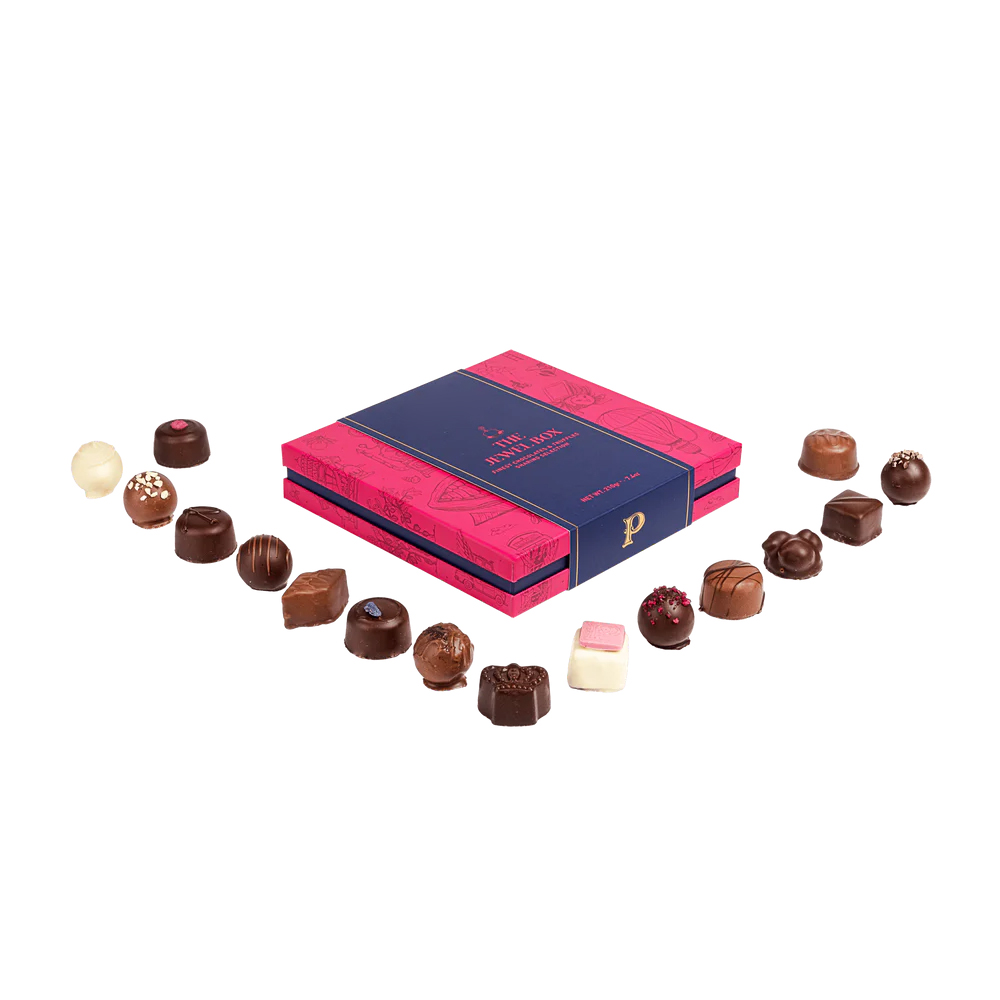
Luxury finishes look beautiful, but they should also survive transportation and storage.
Common finishing options include:
Matte Lamination
Helps reduce fingerprints and gives a soft premium feel.
UV Coating
Adds shine and protects printed surfaces from scratches.
Foil Stamping
Creates a luxury appearance for premium chocolate brands.
Embossing
Adds texture and makes logos stand out visually.
However, poor finishing techniques can crack, peel, or fade. Always test durability before mass production.
A Strong QC Process Changes Everything
Zero defects don’t happen by luck. They come from consistent inspection systems during every production stage.
Professional packaging factories usually inspect:
- Raw materials
- Color consistency
- Structural accuracy
- Glue strength
- Surface finishing
- Final packaging
According to Fuliter Paper Box, multiple quality inspections are performed throughout production to ensure cartons meet international packaging standards.
Color Matching Is More Important Than You Think
Chocolate brands rely heavily on visual identity. A slight color difference between batches can make your packaging look unprofessional.
Always request:
- Pantone color matching
- Digital proofs
- Production samples
- Batch consistency testing
This becomes especially important for luxury chocolate brands using dark tones, metallic effects, or minimalist designs.
Packaging Inserts Need Extra Attention
Many chocolate boxes fail because of poorly designed inserts. Chocolates move around during transport, causing damage or melted edges.
Good inserts should:
- Hold products tightly
- Match product dimensions
- Prevent shaking
- Maintain presentation quality
Even premium boxes can feel cheap if the insert design is weak.
Beautiful Packaging Still Needs Functionality
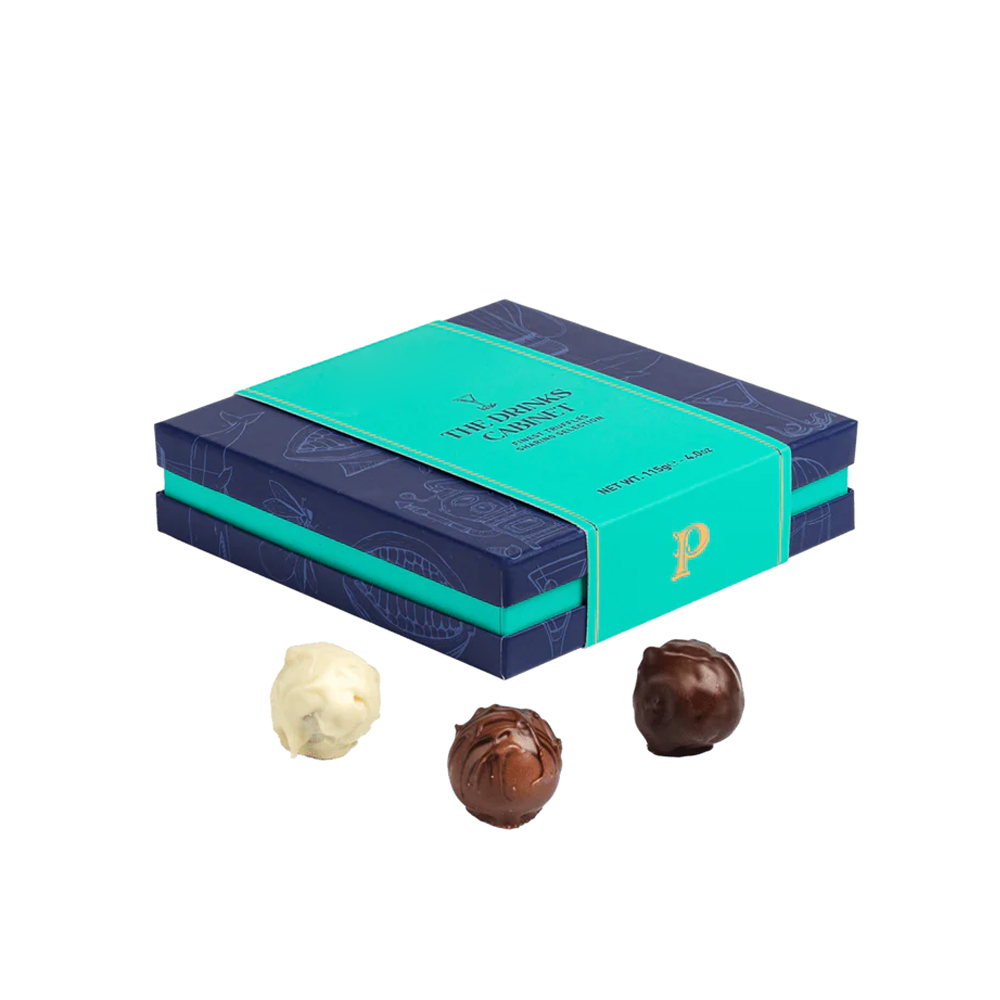
A lot of brands focus only on appearance. But practical design matters just as much.
Customers want boxes that:
- Open smoothly
- Protect chocolates properly
- Feel sturdy in hand
- Store easily
- Look attractive on social media
The best Custom Chocolate Boxes balance aesthetics with functionality.
Structural Design Reduces Shipping Damage
Experienced manufacturers use CAD structural design systems to improve packaging performance.
Smart structural choices include:
Magnetic Closure Boxes
Ideal for premium chocolate collections.
Drawer-Style Packaging
Creates a luxury unboxing experience.
Foldable Rigid Boxes
Save shipping space while maintaining strength.
Partition Inserts
Prevent chocolates from colliding during transit.
Good structural engineering can significantly reduce defect rates during international shipping.
Simplicity Often Looks More Premium
Many luxury chocolate brands are moving toward cleaner packaging styles.
Minimalist packaging usually performs better because:
- Fewer printing risks
- Lower production complexity
- Easier color consistency
- Cleaner brand appearance
Overdesigned packaging can sometimes create more manufacturing problems.
Clear Specifications Prevent Costly Mistakes
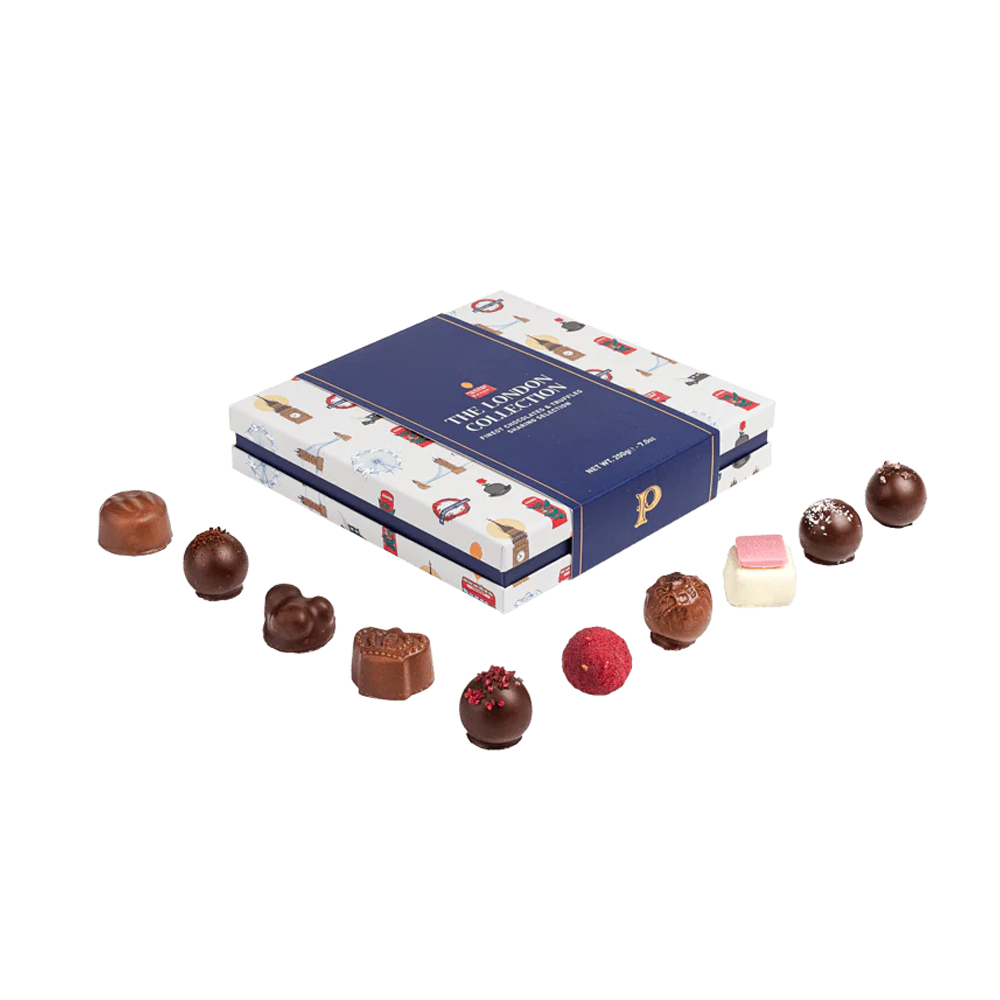
A surprising number of packaging defects happen because buyers provide unclear instructions.
Always send suppliers detailed information including:
- Box dimensions
- Material thickness
- Logo placement
- Color references
- Insert structure
- Surface finish requirements
Never assume the factory “already understands.”
Confirm Every Detail Before Production
Before mass production begins, double-check:
- Artwork files
- Bleed lines
- Fonts
- Printing direction
- Barcode placement
- Folding structure
Even small errors become expensive during large-volume production.
Build Long-Term Supplier Relationships
The best packaging quality often comes from long-term cooperation. Once a supplier fully understands your brand standards, defect rates usually decrease over time.
Reliable suppliers also prioritize repeat customers when scheduling production during busy seasons.
Strong communication creates smoother workflows and better packaging consistency.
At the end of the day, packaging is not just a container. It’s part of your brand story.
Well-made Custom Chocolate Boxes help protect products, improve customer experience, strengthen brand identity, and increase repeat purchases. Poor-quality packaging does the opposite.
If your goal is zero defects, focus on the full process instead of chasing the cheapest price. Choose experienced manufacturers, test samples carefully, prioritize material quality, and maintain clear communication throughout production.
A reliable packaging partner can help your chocolate brand stand out in a highly competitive market while keeping quality consistent across every order.
Because in the chocolate business, details matter — and customers notice every single one.
The best materials for Custom Chocolate Boxes usually include rigid cardboard, kraft paper, corrugated board, and recyclable paper materials. These options provide better protection for chocolates during shipping while also creating a premium appearance. Many luxury chocolate brands also prefer eco-friendly materials to improve sustainability and brand image.
To reduce defects, always work with experienced packaging manufacturers, request physical samples before mass production, and confirm all artwork details carefully. Strong quality control processes, accurate color matching, and durable inserts also help minimize packaging problems during shipping and storage.
Yes, modern eco-friendly Custom Chocolate Boxes are designed to be both sustainable and durable. High-quality recyclable paperboard and rigid structures can protect chocolates effectively while reducing environmental impact. Many suppliers now combine luxury finishes with sustainable packaging materials.
Inserts help keep chocolates stable inside the box during transportation. Without proper inserts, chocolates may shift, melt, crack, or lose their presentation quality. Well-designed inserts improve both product protection and the overall unboxing experience for customers.
Absolutely. Premium Custom Chocolate Boxes help brands create a stronger first impression, improve customer experience, and increase perceived product value. Attractive packaging also encourages social media sharing and repeat purchases, especially in the luxury chocolate market.
Post time: May-26-2026


