


Let me paint a picture for you. You're a growing chocolate brand in London, Sydney, or Los Angeles. You've nailed the recipe, the branding is on point, and demand is climbing fast. But your local packaging costs are eating your margins alive. Sound familiar? That's exactly the moment when smart brands start looking east. Sourcing from a chocolate box factory China isn't just about chasing the lowest price—it's about accessing manufacturing expertise, material variety, and production scale that simply doesn't exist in most domestic markets.
I've been navigating the Chinese packaging industry for years, both from inside factories and as a bridge for international clients. There's incredible opportunity here, but also pitfalls that can trip up newcomers. In this guide, I'll walk you through exactly how a specialized Chinese factory operates, what to look for, what to avoid, and how to build a relationship that genuinely transforms your business. No sugarcoating—just real talk from someone who's been in the trenches.
Let's address the obvious question first: why go through the hassle of importing? The answer is scale and specialization. A dedicated chocolate box factory China doesn't just produce boxes as a side hustle—it's their entire world. These factories have invested in specialized die-cutting machines, multi-color offset printers, and automated gluing lines that can churn out 100,000 perfectly identical boxes in a week. A local print shop simply can't compete with that output or price point .
But it's not just about volume. Chinese factories offer material variety that's genuinely staggering. Want a rigid box wrapped in textured linen paper with a gold foil logo and a magnetic closure? Done. Need a folding carton with a frosted PLA window and a compostable inner tray? No problem. The supply chain for packaging raw materials in hubs like Guangdong and Zhejiang is so dense and competitive that customization options that would cost a fortune locally become surprisingly affordable. Plus, many factories now employ in-house design teams who can turn a rough sketch into a production-ready file, saving you the cost of a separate packaging designer .
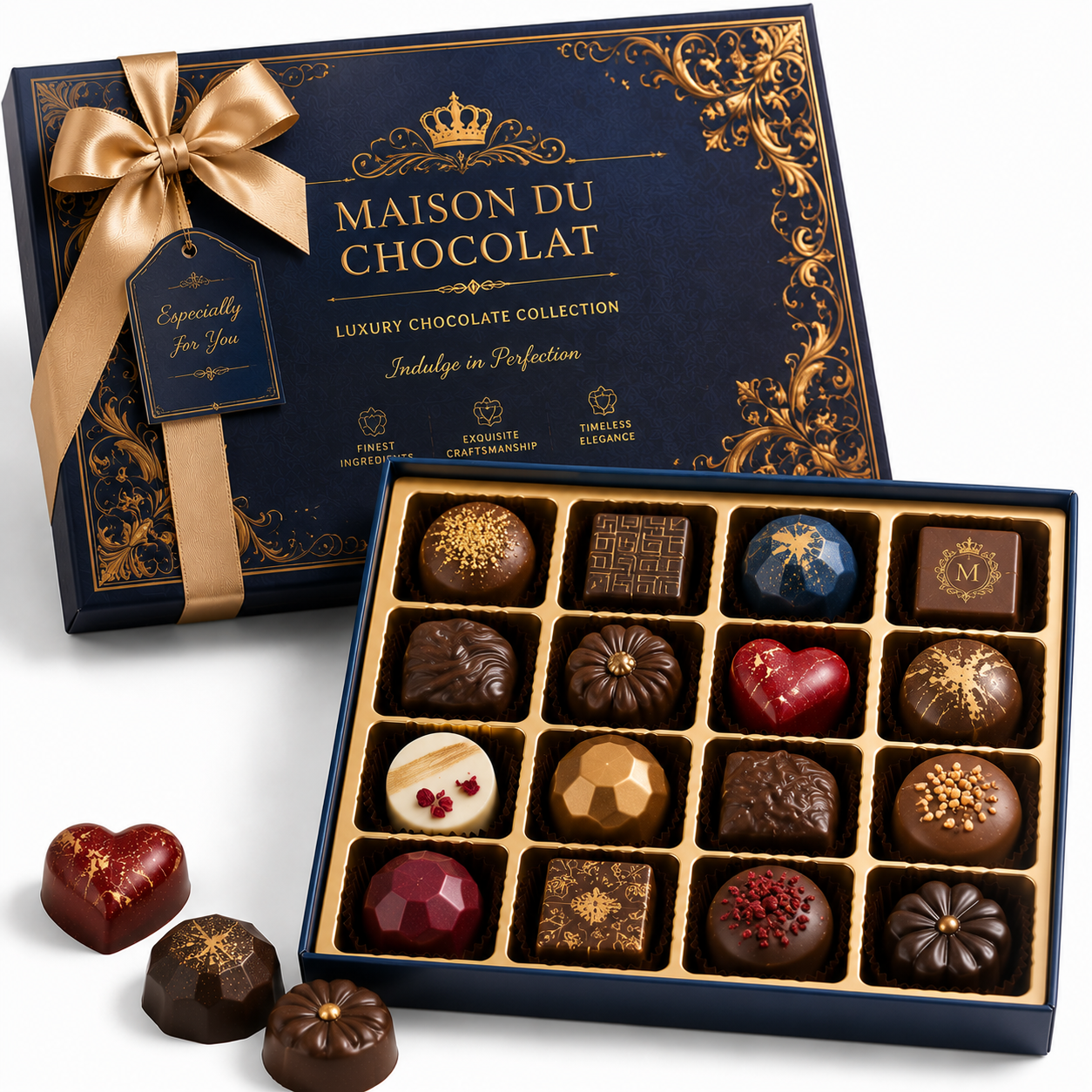
Let's set realistic expectations. Walking into a relationship with a chocolate box factory China without understanding the workflow can lead to frustration on both sides. The process typically starts with an RFQ (Request for Quote). You'll send your box specifications—dimensions, material preferences, print details, and estimated order quantity. The factory responds with a quote, usually within 24-48 hours if they're responsive. Don't be surprised if they ask clarifying questions; it's actually a good sign that they're paying attention .
Once you approve the quote, you'll move to the sampling phase. This is non-negotiable. A digital mockup is nice, but a physical pre-production sample tells you everything about board thickness, print color accuracy, glue strength, and assembly ease. Expect to pay for the sample and courier shipping—this is standard practice. After sample approval, production begins. Lead times average 15-25 business days, and then shipping adds another 10-20 days by sea freight or 3-5 days by air. Smart buyers plan their seasonal chocolate launches with this full timeline in mind, especially around Chinese New Year when factories shut down for up to two weeks .
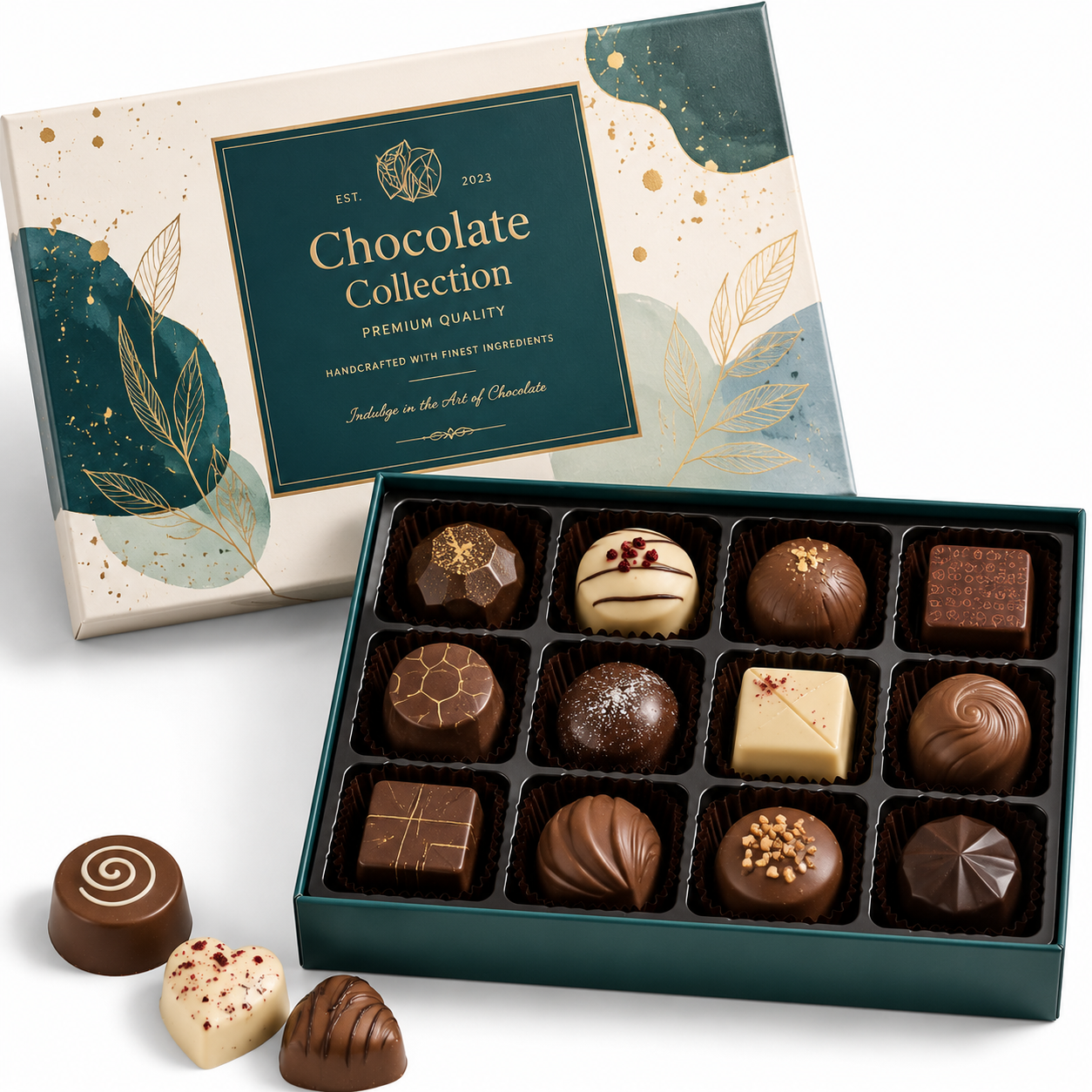
We are also offering finishing options such as glossy and matte look which gives the custom printed candy boxes a final touch. They can add sparkle to your design and also give added protection.
| Feature | Application | Cost Impact |
| Printing: Digital | Small quantities, complex color layouts | Low setup cost, high per-unit cost |
| Printing: Offset | High quantities, precise color matching | High setup cost, low per-unit cost |
| Finish: Gloss Lamination | For a bright, eye-catching look; it also protects | Low-Medium |
| Finish: Matte Lamination | For an elegant, classy, modern look | Low-Medium |
| Finish: Spot UV | To show a logo or highlight a specific design | Medium |
| Finish: Foil Stamping | For products with luxury and a premium feel (gold, silver) | High |
| Finish: Embossing/Debossing | Creating the feel of texture and the 3D effect | Medium-High |
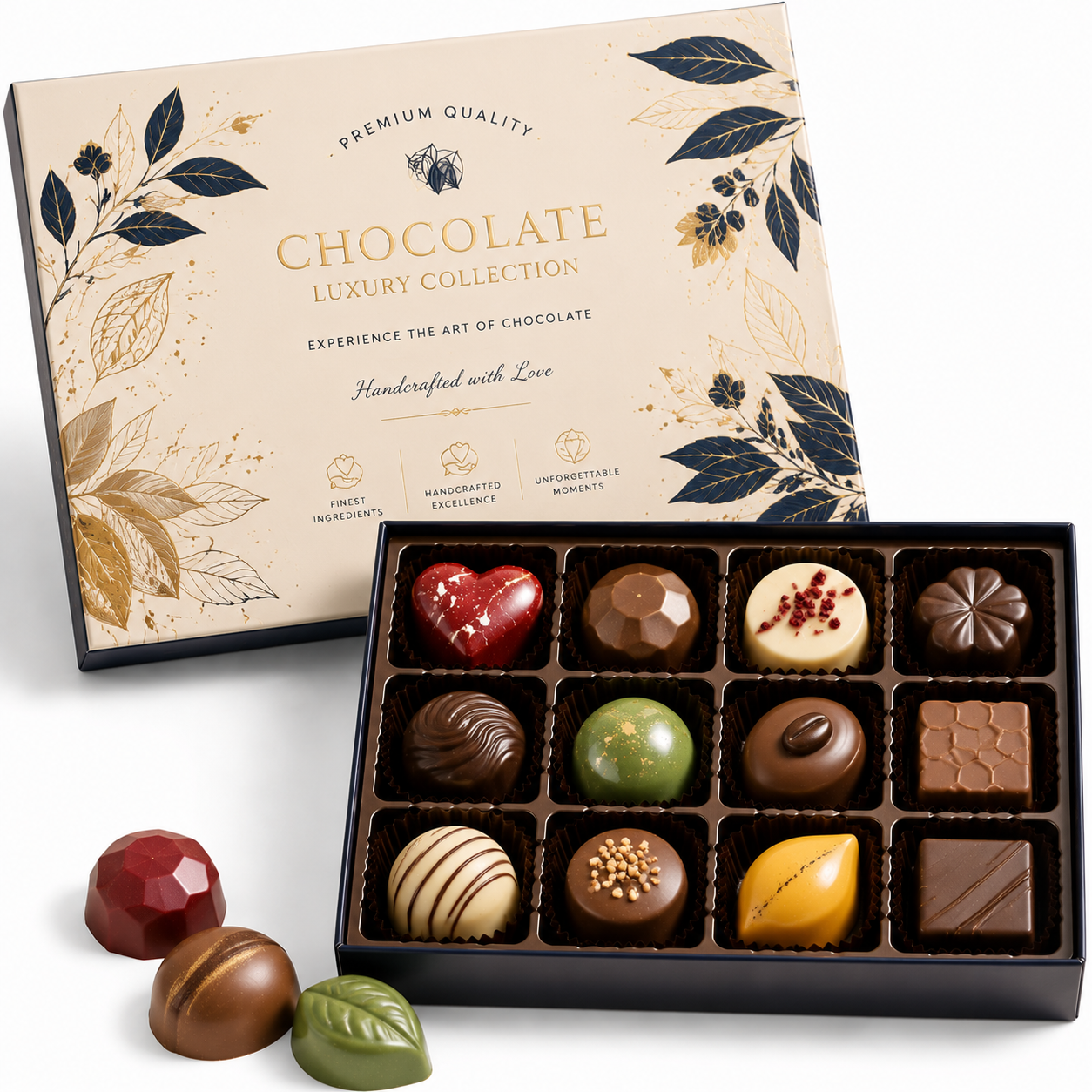
This is where a good chocolate box factory China truly shines. The range of finishing options available is extraordinary. We're talking hot foil stamping in gold, silver, rose gold, or holographic finishes. Embossing and debossing create tactile logos that catch light beautifully. Spot UV can highlight specific design elements with a glossy pop against a matte background. Soft-touch lamination gives boxes that velvety, premium feel that consumers can't resist touching .
But customization goes deeper than surface finishes. Need a box with interior LED lights for a limited-edition holiday collection? Some factories can integrate simple electronics. Want a drawer-style box that opens with a ribbon pull? They'll engineer the dieline. Want your logo debossed on the inside lid so customers see it every time they open the box? Easy. The key is providing clear reference images or samples of what you want. Chinese manufacturers are excellent at reverse-engineering a desired look and feel, but they need a clear target to aim at. Vague instructions like "make it look luxurious" won't cut it—show them a photo of the aesthetic you're chasing .
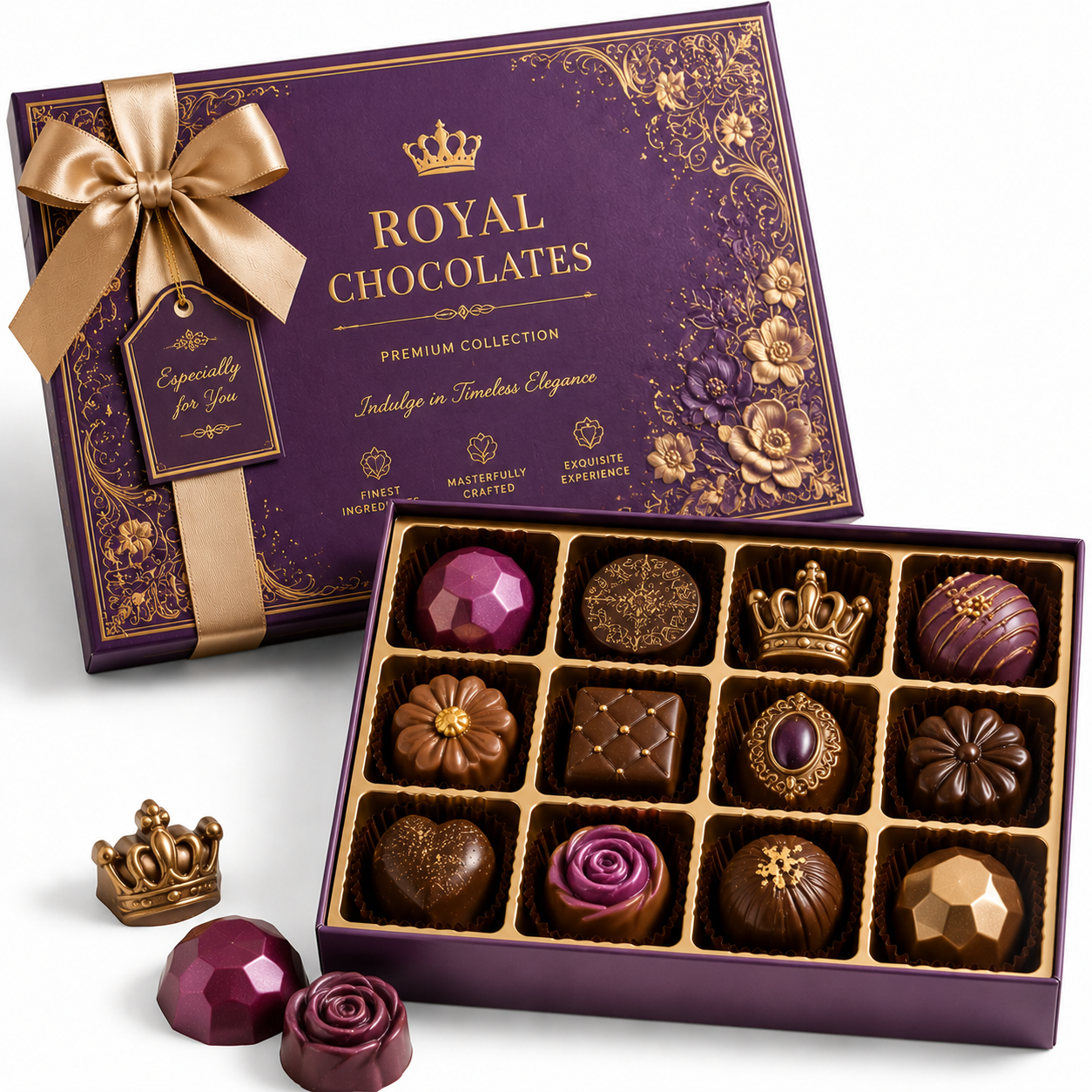
You might be sitting in Chicago or Manchester wondering how on earth you're supposed to trust a factory you've never seen. Valid concern. I always tell clients to start with verification. Any legitimate chocolate box factory China should be able to provide a business license, food safety certifications like ISO 22000 or FSSC 22000 if they print packaging that contacts food, and ideally a third-party audit report from a company like SGS or Intertek. If a factory claims to use FSC-certified paper, ask for the certificate number and verify it on the FSC public database .
Communication quality is a massive indicator of reliability. Does the sales rep respond within 12-24 hours? Do they answer every question clearly, or do they dodge specifics? A professional factory will assign a dedicated project manager who speaks competent English and understands your market's expectations. Red flags include reluctance to provide samples, pressure to pay 100% upfront, or quotes that are dramatically lower than competitors. As the saying goes, if it seems too good to be true, it probably is. A trustworthy factory builds relationships slowly, values long-term partnerships over one-off deals, and is transparent about both capabilities and limitations .
The first successful order is just the beginning. The real value of a chocolate box factory China emerges over time. When you build a genuine partnership, you unlock benefits that transactional buyers never see. Priority production slots during peak season. Willingness to hold safety stock of your materials for faster reorders. Constructive suggestions for reducing costs without sacrificing quality—maybe a slightly different box structure that uses 10% less board .
How do you build that relationship? Pay on time. Communicate respectfully. Give feedback on what worked and what didn't. If a box design sold exceptionally well, share that success with the factory—they'll take pride in their work and be even more invested in your next project. And if issues arise, approach them as problems to solve together rather than blame to assign. A factory that sees you as a collaborative partner will move mountains for you. Visit in person if you can, even just once. Breaking bread together and walking the production floor builds trust that no email chain can replicate. In an industry where timing and quality make or break your holiday sales, having a factory that genuinely has your back is worth its weight in gold .
It depends on the factory type. Large factories often have MOQs of 1,000-5,000 units, but many smaller or digitally-focused factories welcome orders as low as 200-500 units. Digital printing has made small-batch custom packaging far more accessible. Be upfront about your volume, and ask specifically for "low MOQ" options when reaching out .
Request food safety certifications like ISO 22000, and ask specifically about low-migration inks. Chocolate's fat content can absorb chemicals from non-food-grade packaging. A reputable factory will provide lab test reports. You can also commission independent migration testing on samples before placing a bulk order .
Production usually takes 15-25 business days after sample approval. Sea freight to the US, Europe, or Australia adds roughly 15-30 days for port-to-port delivery, plus customs clearance and inland transport. Total timeline is typically 6-8 weeks by sea. Air freight can compress this to 2-3 weeks total but costs significantly more .
Yes, most established factories have in-house designers. Provide reference images, your logo files, and a clear description of your vision. They'll create die-lines and 3D mockups for your approval. Clarify upfront whether design services are complimentary with order placement or a separate charge .
This is why pre-shipment inspection is crucial. If defects are found before shipping, the factory typically remakes the order. If damage occurs during transit, responsibility depends on your shipping terms. FOB means risk transfers to you once goods are on the vessel, so many buyers purchase cargo insurance. A solid contract and photographic evidence are your best protections in any dispute .
Post time: Jun-24-2026


