


The chocolate industry moves fast. New flavors, seasonal collections, and limited-edition gift sets hit the market almost every month. If your packaging takes weeks or even months to finalize, you're already falling behind. That's why a 48-hour prototyping process has become a game-changer for chocolate brands looking to test ideas, impress buyers, and shorten their product launch cycle.
A well-designed Custom Nut Box isn't just about protecting chocolates. It's part of the customer's first impression, the brand story, and even the purchase decision. Fast prototyping helps businesses validate packaging concepts before committing to mass production, reducing risks while improving creativity.
Speed Creates Competitive Advantage
Consumers expect brands to introduce fresh packaging throughout the year. Valentine's Day, Easter, Christmas, corporate gifting, and product launches all require unique packaging designs. Waiting several weeks for packaging samples simply isn't practical anymore.
A 48-hour prototyping workflow allows chocolate companies to review structural designs almost immediately. Designers can quickly adjust dimensions, materials, inserts, and finishing details before production begins. Instead of relying on digital mockups alone, brands can physically examine the box, test how chocolates fit inside, and evaluate the customer experience.
Lower Development Costs
Mistakes become expensive when they're discovered after production starts. A prototype helps identify problems early, whether it's an insert that's too loose, a lid that doesn't close properly, or artwork that doesn't align with the folding lines.
Investing in rapid samples often saves thousands of dollars by preventing costly production errors.
Better Communication Across Teams
Marketing teams, designers, purchasing departments, and factory engineers often have different expectations. A physical prototype creates a common reference point, making discussions much more productive than reviewing PDFs or 3D renders.

First Impressions Matter
Packaging is often the first thing customers notice. Before tasting a single chocolate, they judge the product by its appearance. Premium chocolate deserves premium presentation.
A luxury Custom Nut Box can include:
- Magnetic closure boxes
- Drawer-style gift boxes
- Rigid setup boxes
- Foldable premium cartons
- Window packaging
- Multi-layer gift boxes
Each structure creates a different customer experience while supporting different product categories.
Choosing the Right Materials
Material selection affects durability, printing quality, and sustainability.
Popular options include:
- Rigid greyboard
- Art paper laminates
- Kraft paper
- FSC-certified paperboard
- Textured specialty paper
- Recyclable cardboard
Premium chocolate brands often combine several materials to achieve both strength and visual appeal.
Finishing Makes the Difference
Luxury finishes elevate simple packaging into memorable gift boxes.
Common finishing techniques include:
- Soft-touch lamination
- Spot UV coating
- Gold foil stamping
- Silver foil stamping
- Embossing
- Debossing
- Matte varnish
- Ribbon closures
These details communicate quality before customers even open the box.

Testing Internal Inserts
Chocolate packaging isn't just about the exterior. Internal trays are equally important because they prevent movement during shipping.
Rapid prototypes allow brands to test:
- Paper inserts
- EVA foam
- Food-grade plastic trays
- Molded pulp
- Cardboard dividers
Each option offers different levels of protection depending on product weight and transportation requirements.
Checking Product Fit
Chocolate sizes vary significantly. Truffles, pralines, chocolate bars, and assorted gift collections all require different cavity dimensions.
A prototype ensures:
- Chocolates stay securely in place.
- Lids close correctly.
- Products remain attractive after transportation.
- Customers enjoy a premium unboxing experience.
Improving User Experience
Packaging should feel intuitive. Customers shouldn't struggle to open the box or remove individual chocolates.
Small structural adjustments during prototyping often lead to a much smoother customer experience.
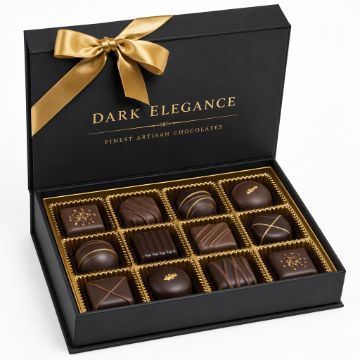
A good design, not only looks so nice but also helps to sell your product. Follow this 5-step plan to help create your personalized candy packaging. They provide you a professional and efficient outcome.
Step 1: Identify Your Brand and the Target Market
First of all, consider who is the customer. Do you make sales to little kids or men? Trace elements for children could be items with bright colors, characters and amusement fonts. If it is a good gift for adults, then maybe understated and sophisticated use of colours would be better. Target your design to the demographics of your users.
Step 2: Visual Order Mastery
The optic ordering refers to how the parts are placed suggest importance. The outside of the box should feature your logo and product name most prominently. The next-key benefit has to be straightforward, something obvious, 'Homemade' or 'No Additives'. The attention of the customer should be focused to important details first.
Step 3: Using Color and Typography
Colors create feelings. Brown and gold are common ways rich chocolate will be portrayed. Closer to the date, lighter colors — pastels, for example — will feel springlike or Easter-ish. The fonts you choose are also a factor. And a script font may contribute to its impeccable appearance. It feels modern with a bold, clean font. Select the colors and fonts that match your brand personality.
Step 4: Include Information that is of Great Importance
There are a few details that every food product should have mentioned on the package. Those must-haves include ingredients, nutrition information and how to get in touch with your company. The challenge is to squeeze this information in without crowding the design. You can put facts like about the grip belt mechanism on the back, or bottom side of the box. You don't want anything "in the way up-front and cover your brand.
Step 5: Think About the Complete Unboxing
The customer experience should not end when the box is being opened. Consider putting a unique touch on the inside. For instance, a message on the inside of the lid printed. Or printed tissue paper that is custom-designed. Or even a small thank-you card. Utilizing full digital CMYK printing allows for limitless colors. This in turn, makes your vibrant designs come to life, on both inside outside of the box.
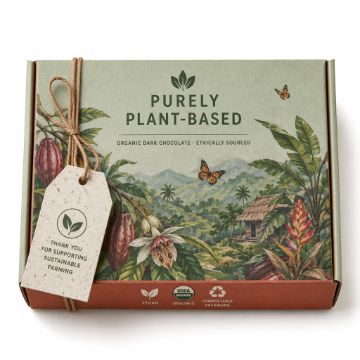
Eco-Friendly Materials Are Becoming Standard
Consumers increasingly expect environmentally responsible packaging.
Rapid prototyping makes it easier to evaluate sustainable alternatives before committing to large production volumes.
Many chocolate brands now choose:
- Recycled paperboard
- Plastic-free inserts
- Water-based coatings
- Soy-based inks
- Compostable materials
These options help brands reduce environmental impact without sacrificing presentation.
Less Waste During Development
Traditional packaging development often requires multiple production rounds.
Rapid prototyping reduces waste because design issues are resolved before mass manufacturing begins.
Meeting Retail Requirements
Retailers frequently require specific packaging standards regarding strength, shelf display, labeling, and sustainability certifications.
Testing these requirements through prototypes improves compliance and reduces costly redesigns later.
In today's highly competitive confectionery market, speed and flexibility have become just as important as product quality. A Custom Nut Box developed through a 48-hour prototyping process allows chocolate brands to move from concept to production with greater confidence, fewer costly mistakes, and significantly shorter lead times. Instead of waiting weeks to validate a packaging idea, businesses can quickly evaluate structure, materials, inserts, printing effects, and user experience before full-scale manufacturing.
Whether you're launching a premium chocolate collection, preparing seasonal gift packaging, or entering a new market, rapid prototyping helps reduce risk while accelerating innovation. Combined with thoughtful design, sustainable materials, and premium finishing techniques, a professionally developed Custom Nut Box not only protects delicate chocolates but also strengthens brand identity, enhances customer satisfaction, and increases market competitiveness. For chocolate brands aiming to launch faster without compromising quality, 48-hour prototyping is no longer just an advantage—it's becoming the new industry standard.
A 48-hour prototype allows chocolate brands to evaluate the packaging before mass production begins. It helps verify the box structure, printing quality, insert design, and overall appearance in just two days. This faster process reduces costly mistakes, speeds up product launches, and gives businesses more flexibility when introducing seasonal or limited-edition chocolate collections.
A Custom Nut Box can be made from a variety of premium materials depending on the brand's positioning. Common choices include rigid cardboard, coated paperboard, kraft paper, FSC-certified paper, and specialty textured paper. Many brands also combine eco-friendly materials with luxury finishes like soft-touch lamination, foil stamping, or embossing to create a premium unboxing experience.
Yes. Rapid prototyping allows manufacturers and brands to test every detail before production, including box dimensions, chocolate inserts, lid functionality, and print alignment. By identifying design issues early, companies can improve packaging performance, ensure better product protection during shipping, and deliver a more polished final product to customers.
Absolutely. A Custom Nut Box is ideal for holiday promotions, corporate gifts, and limited-edition chocolate collections. With a 48-hour prototyping process, brands can quickly develop packaging for occasions such as Valentine's Day, Christmas, Easter, Mother's Day, or Lunar New Year, helping them respond to market trends without long development cycles.
Although creating a prototype requires a small upfront investment, it significantly lowers overall development costs by preventing production errors. Testing the structure, materials, and artwork before mass manufacturing reduces the likelihood of reprints, material waste, and production delays. In the long run, rapid prototyping saves both time and money while improving packaging consistency and product quality.
Post time: Jul-22-2026


