


In today’s fast-paced food industry, packaging is no longer just a container—it is a critical part of product quality, branding, and customer experience. For cafes, bakeries, and food delivery brands, Light Meal Boxes have become an essential solution for serving sandwiches, wraps, salads, and other ready-to-eat meals. Companies like Fuliter Paper Boxare helping global food businesses upgrade their packaging with sustainable, functional, and visually appealing designs tailored for modern consumer demands.
The global food industry has shifted dramatically toward convenience-driven consumption. Urban lifestyles, busy work schedules, and the rise of delivery platforms have made grab-and-go meals a daily necessity. In this environment, Light Meal Boxes play a crucial role in ensuring food remains fresh, presentable, and easy to consume.
Changing Consumer Eating Habits
Consumers today expect quick service without compromising quality. Whether it’s a breakfast sandwich, a healthy salad, or a wrap for lunch, packaging must support portability while maintaining freshness and texture.
Packaging as a Brand Experience
Modern customers also judge food brands based on packaging design. A well-designed light meal box enhances perceived value and strengthens brand identity, turning every purchase into a marketing opportunity.
Growth of Convenience Food Markets
The expansion of cafés, bakery chains, and meal-prep services has significantly increased demand for customizable packaging solutions that can adapt to different food types and portion sizes.
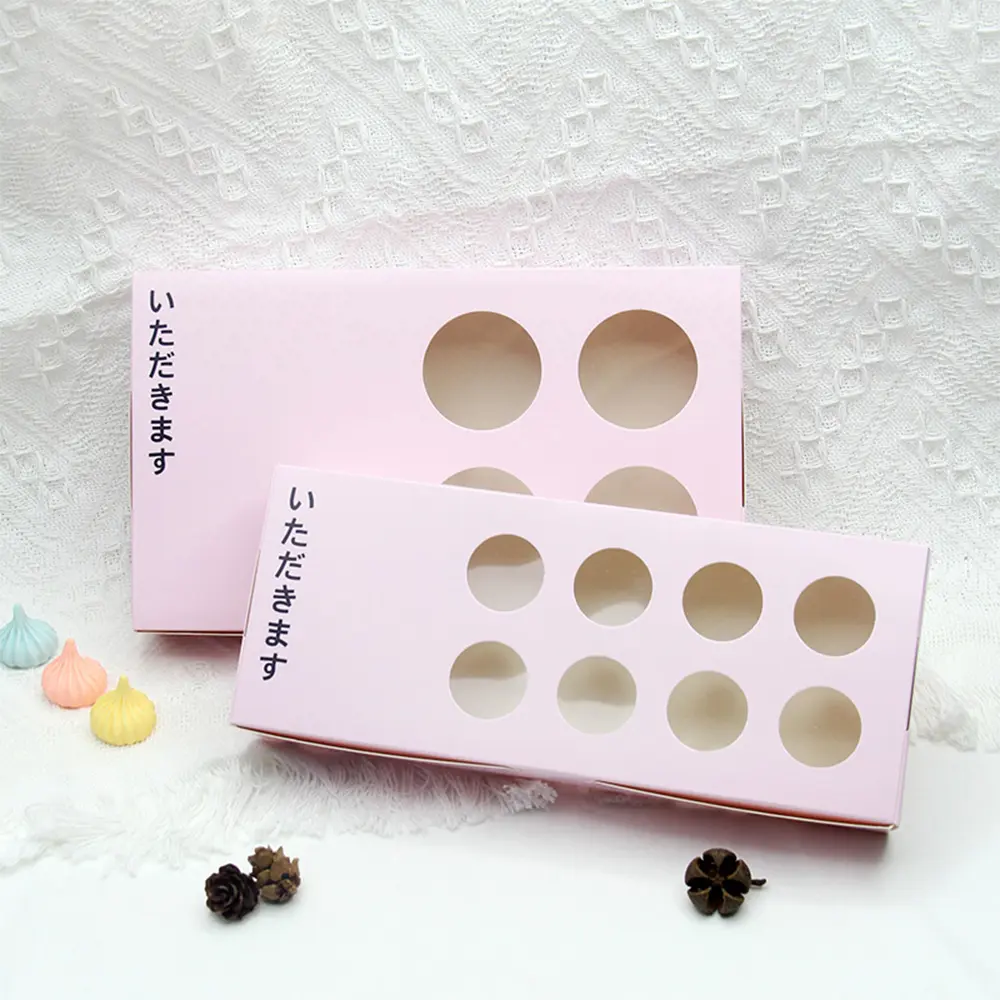
The effectiveness of Light Meal Boxes depends heavily on their structural engineering. Packaging must balance durability, ventilation, and insulation to preserve food quality during storage and transport.
Moisture and Freshness Control
One of the biggest challenges in sandwich and meal packaging is moisture management. Excess condensation can ruin bread texture, while too much ventilation can dry out ingredients. Advanced box designs use barrier coatings and airflow control structures to solve this issue.
Structural Strength for Transport
Light meal packaging must remain stable during stacking, delivery, and takeaway handling. Reinforced corners, locking flaps, and fold-resistant materials help maintain box integrity even under pressure.
User-Friendly Opening Mechanisms
Convenience is key. Easy-open structures improve customer experience, especially for on-the-go consumption, without compromising the seal that keeps food secure.
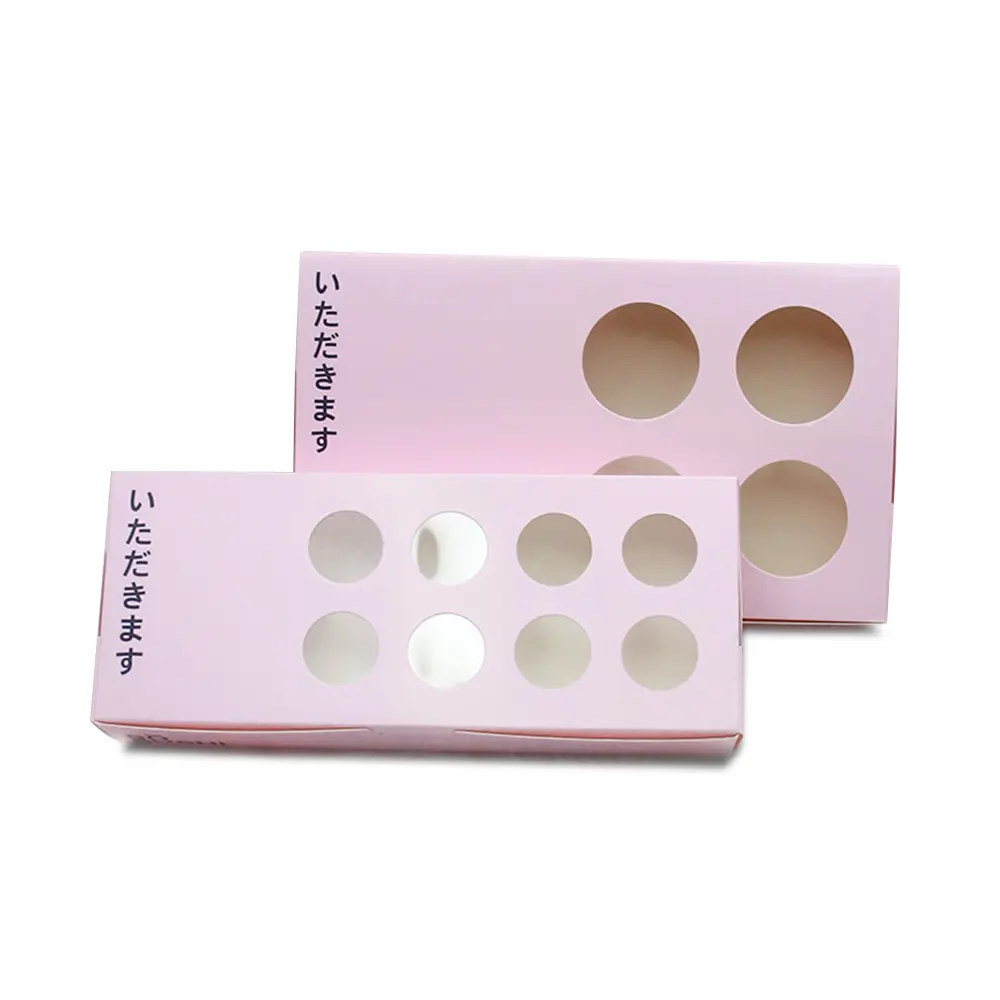
Sustainability has become a defining factor in food packaging decisions. Businesses are now expected to reduce environmental impact while maintaining high performance standards in their packaging.
Kraft Paper and FSC-Certified Boards
Many modern Light Meal Boxes are made from kraft paper and FSC-certified materials. These options are renewable, recyclable, and biodegradable, making them ideal for eco-conscious brands.
Compostable Window Films and Coatings
To maintain product visibility, plant-based PLA films are increasingly used instead of traditional plastics. These films provide clarity while remaining compostable under industrial conditions.
Reducing Carbon Footprint in Packaging Supply Chains
Sustainable sourcing and responsible manufacturing practices significantly reduce environmental impact. Brands adopting eco-friendly packaging can strengthen their market positioning among environmentally aware consumers.
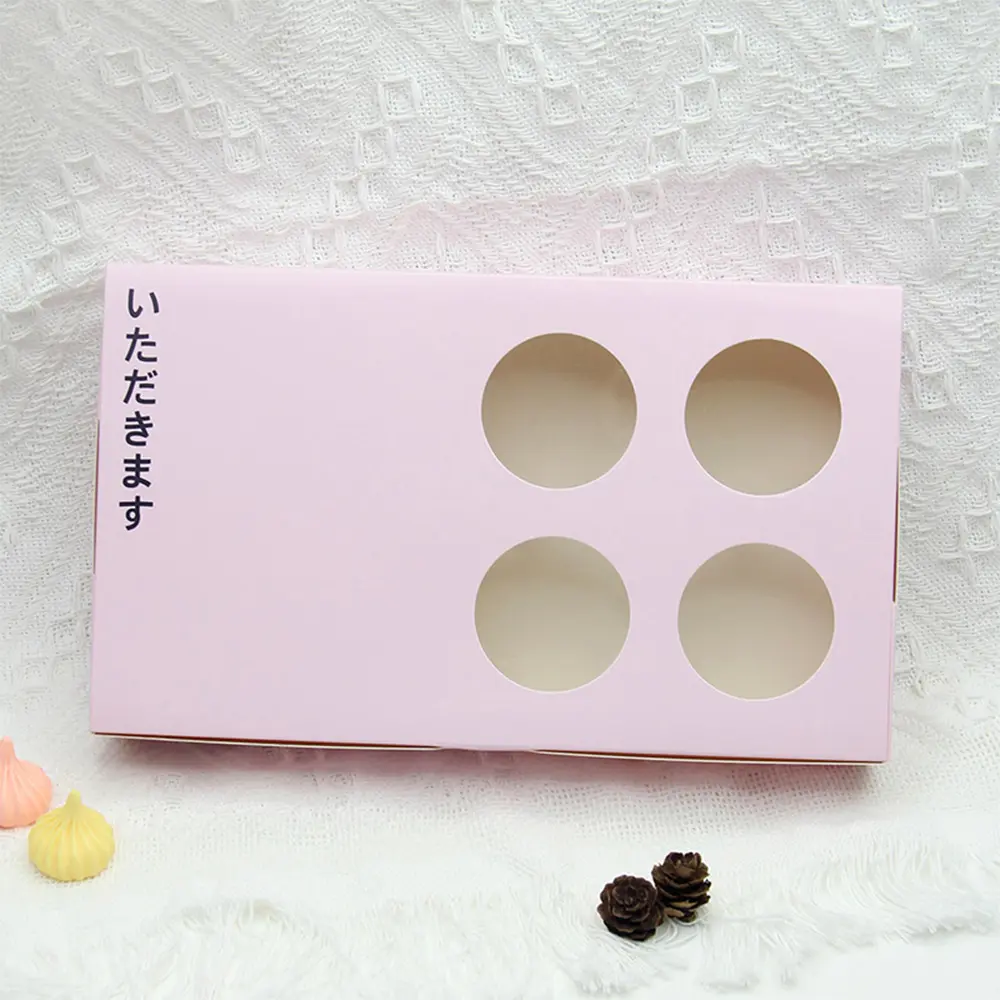
Packaging is one of the most powerful branding tools in the food industry. Custom-designed Light Meal Boxes allow businesses to stand out in competitive retail and delivery environments.
High-Impact Printing and Visual Identity
Modern printing technology enables vibrant, high-resolution branding using soy-based inks. Logos, taglines, and nutritional information can be seamlessly integrated into packaging design.
Structural Customization for Product Fit
Different foods require different packaging shapes. From triangular sandwich wedges to cylindrical wrap containers, custom structures ensure optimal presentation and functionality.
Enhancing Shelf Visibility
In retail refrigerators and display counters, visually appealing packaging significantly influences customer purchasing decisions. Strong design differentiation improves brand recall and product attractiveness.
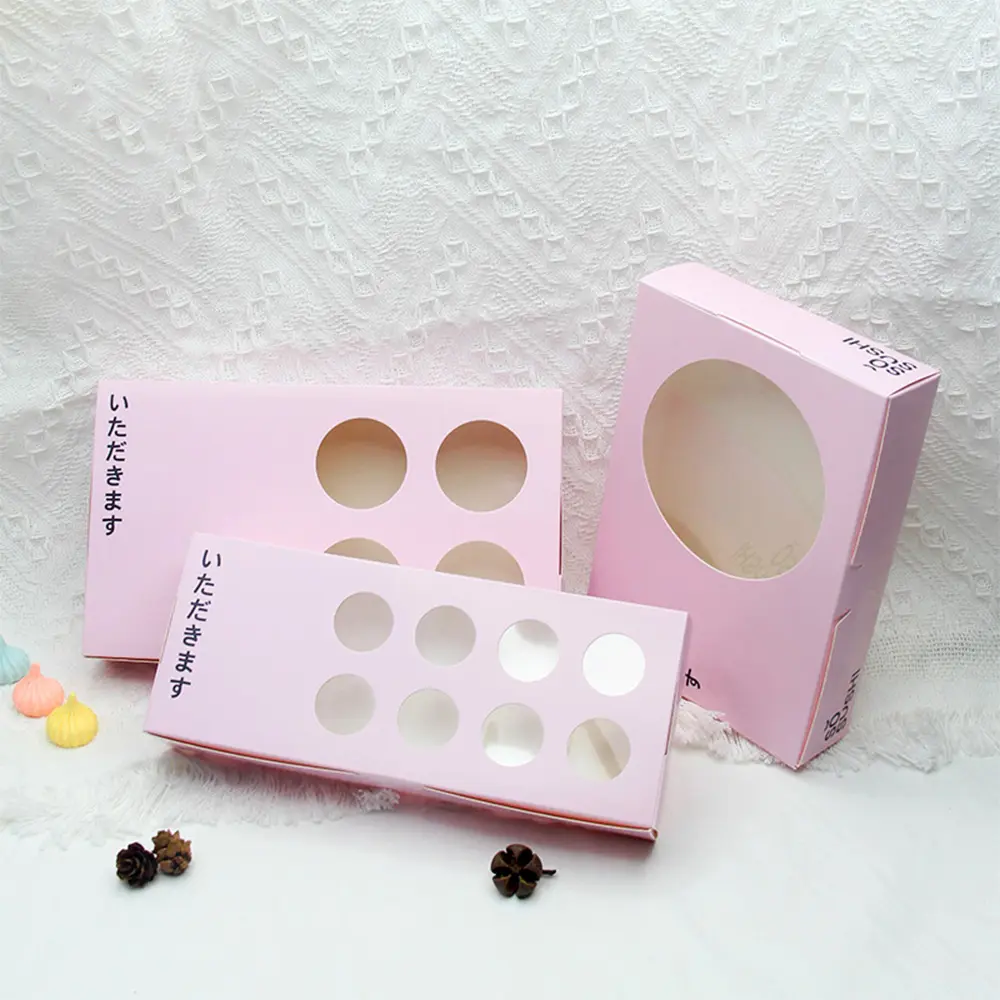
Food packaging must meet strict safety and hygiene requirements to ensure consumer protection and regulatory compliance.
Food-Safe Production Environments
High-standard manufacturing facilities ensure that all packaging is produced under controlled conditions, free from contamination and odor transfer.
International Compliance and Certifications
Reliable manufacturers follow global food contact regulations, ensuring that packaging is safe for use across multiple markets including North America, Europe, and Asia.
Consistency in Large-Scale Production
For growing food chains, consistency is critical. Industrial-scale production ensures uniform quality across all batches, supporting brand reliability and customer trust.
In the modern food industry, packaging is far more than a protective layer—it is a direct extension of a brand’s identity and values. Light Meal Boxes combine functionality, sustainability, and visual appeal to meet the evolving demands of consumers who expect convenience without compromise. From eco-friendly materials to advanced structural design and global supply chain efficiency, these packaging solutions empower food businesses to deliver better customer experiences while strengthening their market position. As the industry continues to grow, investing in high-quality, customizable, and sustainable packaging will remain a key factor in long-term success.
Light Meal Boxes are designed for packaging ready-to-eat foods such as sandwiches, wraps, salads, and bakery items. They help maintain food freshness, improve portability, and enhance presentation, making them ideal for cafes, bakeries, and takeaway food businesses. These boxes also support branding by allowing customized printing and design.
Most Light Meal Boxes are made from kraft paper, white cardboard, or FSC-certified paperboard. Many modern versions also include eco-friendly coatings and compostable PLA window films. These materials are chosen for their recyclability, biodegradability, and ability to maintain food safety standards while reducing environmental impact.
Light Meal Boxes are engineered with moisture control and ventilation balance. Special barrier coatings prevent grease and moisture from soaking into the packaging, while structural design helps reduce excess air exposure. This combination helps maintain the texture of bread and the freshness of ingredients during storage and transport.
Yes, Light Meal Boxes are highly customizable. Businesses can add logos, colors, product information, and unique designs using eco-friendly soy-based inks. Different shapes and structures, such as sandwich wedges or wrap boxes, can also be tailored to match specific food products and brand identity.
Many Light Meal Boxes are designed with sustainability in mind. They are often recyclable, compostable, and made from responsibly sourced materials. By switching to eco-friendly packaging solutions, food businesses can reduce plastic usage and appeal to environmentally conscious consumers while maintaining packaging performance.
Post time: May-07-2026


