


I want you to try something. Next time you're in a high-end boutique, a fancy chocolate shop, or the cosmetics section of a department store, pick up a gift box. Close your eyes for a second. Just feel it. The weight. The texture. The way the lid moves. Now open your eyes and look at the price tag on the product inside. I'll bet it's higher than you expected, and I'll bet the box did a lot of the heavy lifting in making that price feel justified.
That's what luxury gift box packaging does. It communicates value before a single word is spoken. It tells the customer, "What's inside this box is special. It's worth what you paid. You made the right choice."
I've worked in food and gift packaging for years, and I've seen firsthand how the right box transforms a product's perceived value. A $15 candle in a generic box feels overpriced. A $45 candle in a beautifully textured, magnetic-closure rigid box feels like a steal. Same candle. Different box. That's the power we're talking about.
In this article, I'm going to break down what actually makes packaging feel luxurious—the materials, the finishes, the structural details—and how to source it without getting ripped off.
Let's get specific. Luxury gift box packaging isn't just a regular box with a shiny coat of paint. It's engineered differently from the ground up, and the differences are physical—you can literally feel them.
The board is where it starts. Cheap boxes use thin folding carton board, maybe 200-250 GSM. Luxury boxes use rigid chipboard, typically 800-1200 GSM wrapped in premium art paper, specialty paper, or even fabric. The result is a box with real heft. When you pick it up, it weighs something. That weight triggers a subconscious quality signal. Light things feel cheap. Heavy things feel valuable. This is human psychology, and luxury packaging leverages it deliberately.
Then there's the wrap. The paper or material covering the board defines the entire tactile experience. Soft-touch lamination is hugely popular right now because it feels velvety and warm—almost like suede. Uncoated textured papers with a natural grain feel organic and artisanal. Linen wraps add a fabric-like subtlety. Metallic papers catch light dramatically. Each choice sends a different message about the brand.
The closure mechanism matters more than most people realize. A magnetic closure that snaps shut with a satisfying, muffled "thump" feels engineered and precise. A cheap tuck flap that bends and creases after three uses screams disposable. The unboxing ritual—how the lid lifts, how the box opens, what's revealed inside—is something your customers will remember and talk about. It's also something they'll film and post online if you get it right.
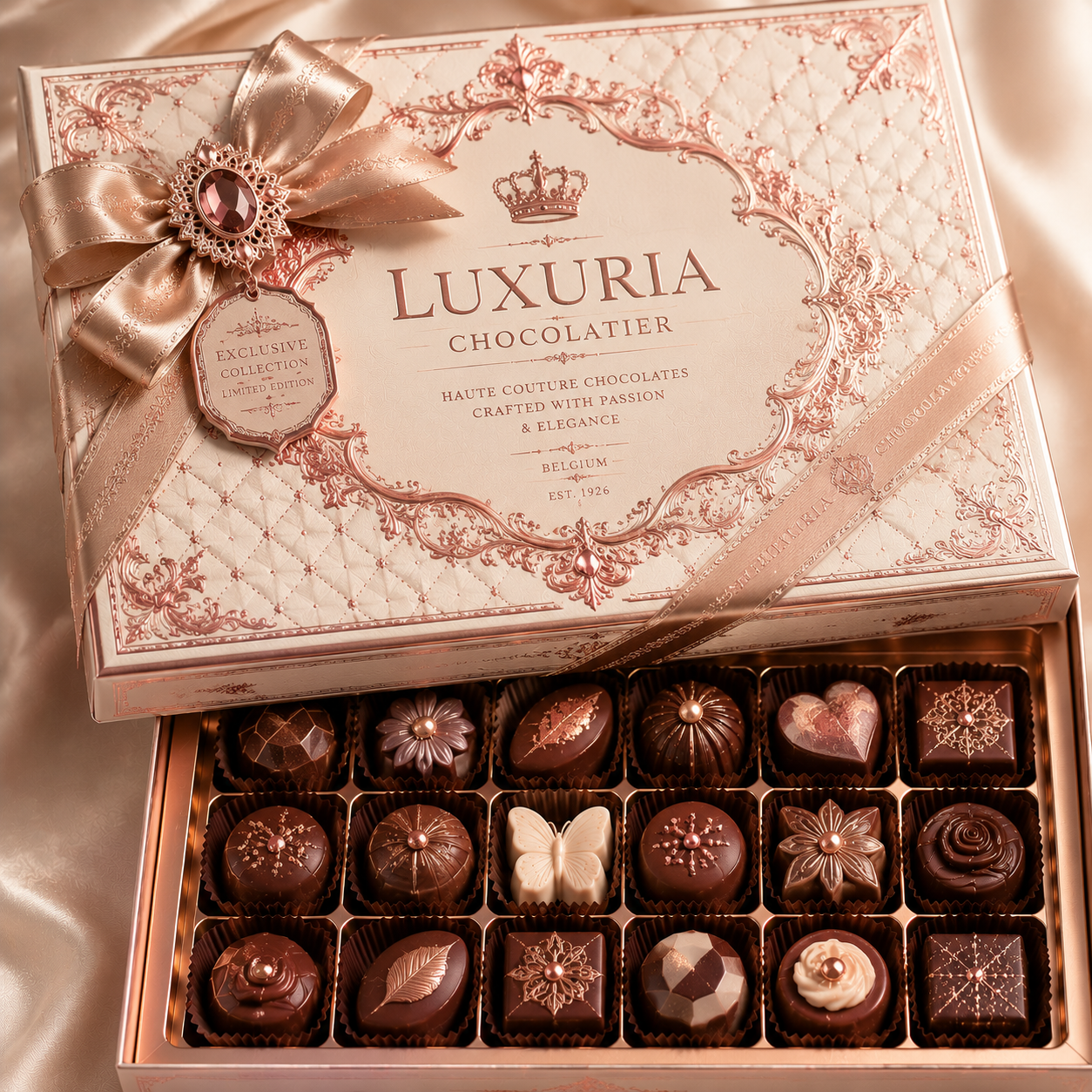
The surface of a luxury box does enormous psychological work. When I consult with brands on their luxury gift box packaging, material selection is usually where we spend the most time, because it shapes the entire first impression.
Rigid grey board wrapped in art paper is the industry workhorse for luxury packaging, but within that framework, the options are vast. A matte coated paper with soft-touch lamination feels contemporary and understated. A high-gloss paper with spot UV detailing feels more glamorous and attention-grabbing. Uncoated natural papers communicate sustainability and craftsmanship. The same box structure wrapped in three different papers will appeal to three completely different customer segments.
Then there are materials that go beyond paper entirely. Fabric-wrapped boxes—linen, cotton, silk blends—add a dimension that paper can't replicate. They feel soft and organic. Wood veneer wraps create something that feels like a piece of furniture rather than disposable packaging. Leather and leatherette accents, even just on the corners or as a strap detail, push the luxury perception even higher.
The sustainability angle is increasingly part of the luxury conversation. A few years ago, eco-friendly meant compromising on aesthetics. Not anymore. FSC-certified rigid board, recycled paper wraps with subtle flecked textures, and water-based coatings that eliminate plastic lamination all deliver premium feel without the environmental guilt. In fact, for a growing segment of luxury consumers—especially under 45—sustainable materials actually enhance the perception of quality. It signals thoughtfulness and responsibility.
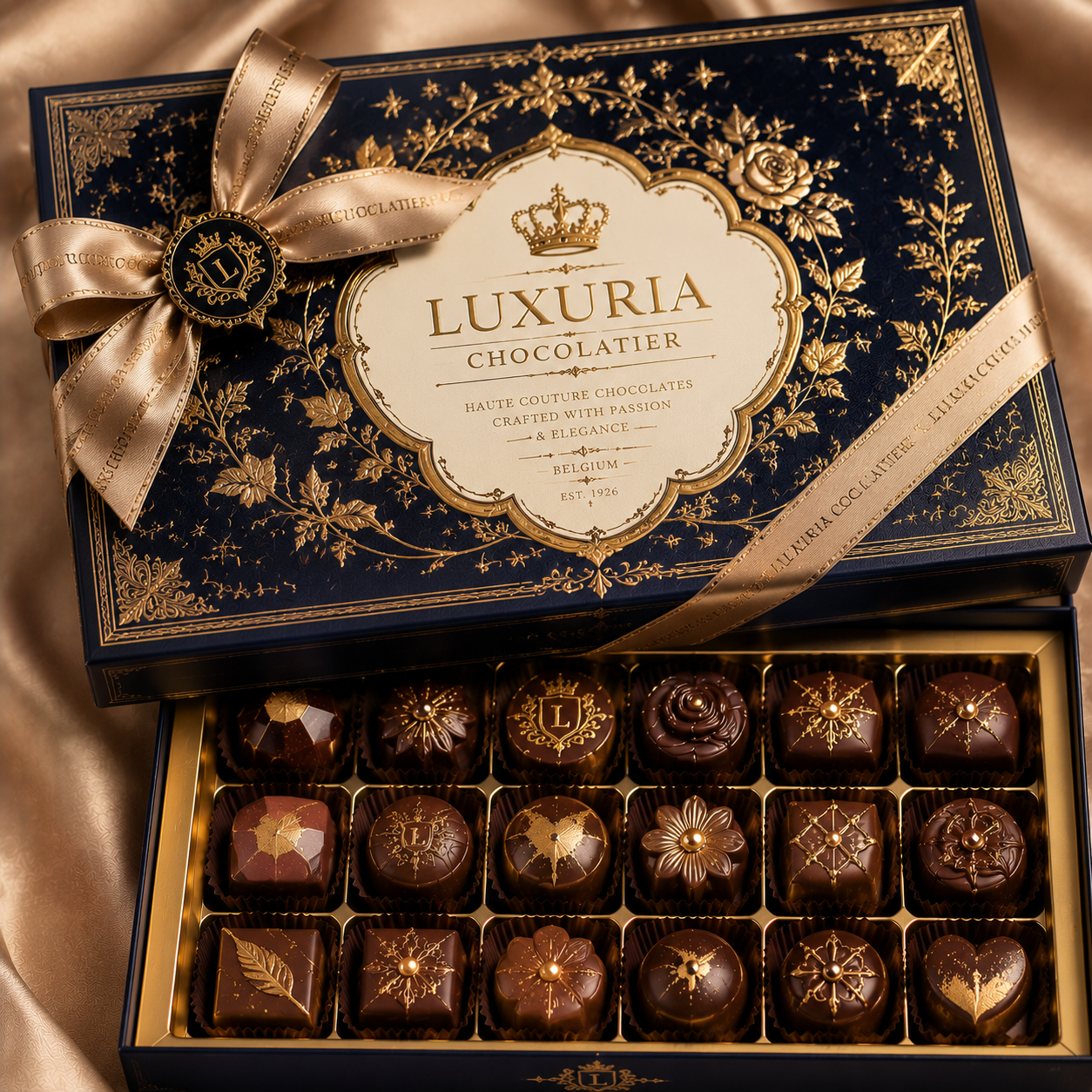
We are also offering finishing options such as glossy and matte look which gives the custom printed candy boxes a final touch. They can add sparkle to your design and also give added protection.
| Feature | Application | Cost Impact |
| Printing: Digital | Small quantities, complex color layouts | Low setup cost, high per-unit cost |
| Printing: Offset | High quantities, precise color matching | High setup cost, low per-unit cost |
| Finish: Gloss Lamination | For a bright, eye-catching look; it also protects | Low-Medium |
| Finish: Matte Lamination | For an elegant, classy, modern look | Low-Medium |
| Finish: Spot UV | To show a logo or highlight a specific design | Medium |
| Finish: Foil Stamping | For products with luxury and a premium feel (gold, silver) | High |
| Finish: Embossing/Debossing | Creating the feel of texture and the 3D effect | Medium-High |
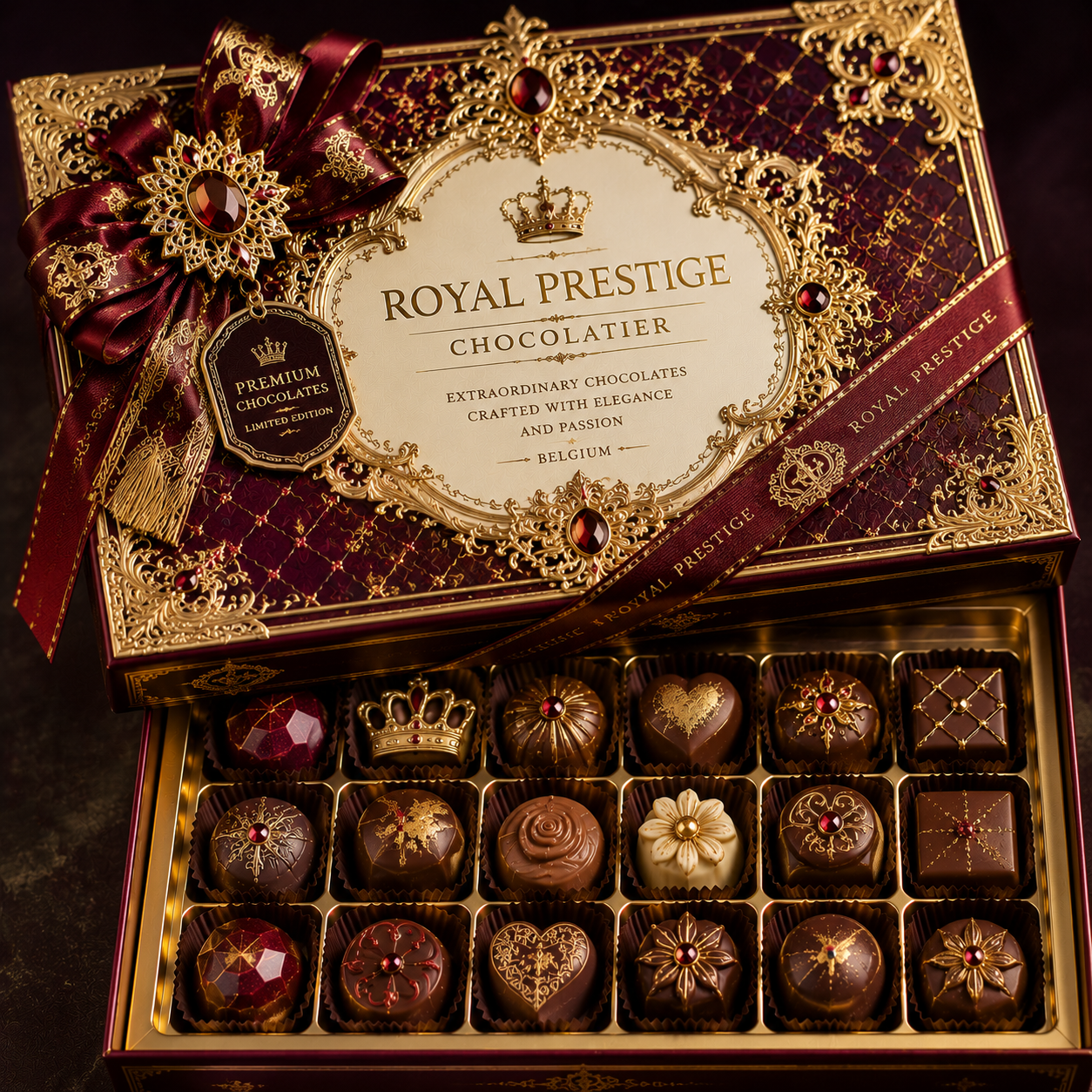
Here's where the magic happens. The structural box is the canvas, but the finishes are the brushstrokes that make luxury gift box packaging truly memorable.
Foil stamping is the heavyweight champion of luxury finishing. Hot foil in gold, silver, rose gold, copper, or holographic patterns adds a metallic brilliance that catches light and draws the eye. On a dark matte box, a simple gold foil logo is devastatingly elegant. On a white box, rose gold foil feels fresh and modern. Debossing pairs beautifully with foil—the logo is both shiny and indented, so customers feel it with their fingertips as well as see it.
Embossing and debossing without foil create a more subtle, sophisticated effect. A blind deboss on uncoated kraft paper is understated but unmistakably premium. The texture invites touch, and touch creates connection. Spot UV—applying a glossy coating to specific areas—creates contrast on matte surfaces. A matte black box with a glossy spot UV logo looks like something from a high-end cosmetics counter.
Edge coloring is one of those details that most people never consciously notice but absolutely contributes to the luxury impression. Cheap boxes have grey or white board edges visible at the corners. Premium boxes have those edges colored—painted to match the wrap, or even gilded. It's a tiny detail that adds cost and complexity, which is exactly why luxury brands do it. It says, "We cared enough to finish the edges you barely see."
The interior finishing deserves equal attention. A flocked or velvet-lined interior, where the product nestles into a soft, plush surface, is the gold standard for jewelry and high-end confectionery. Satin ribbon pulls that help lift the product out of a snug insert feel thoughtful. Even a simple printed message inside the lid—"Handcrafted for you"—transforms opening the box from a mechanical action into an emotional moment.
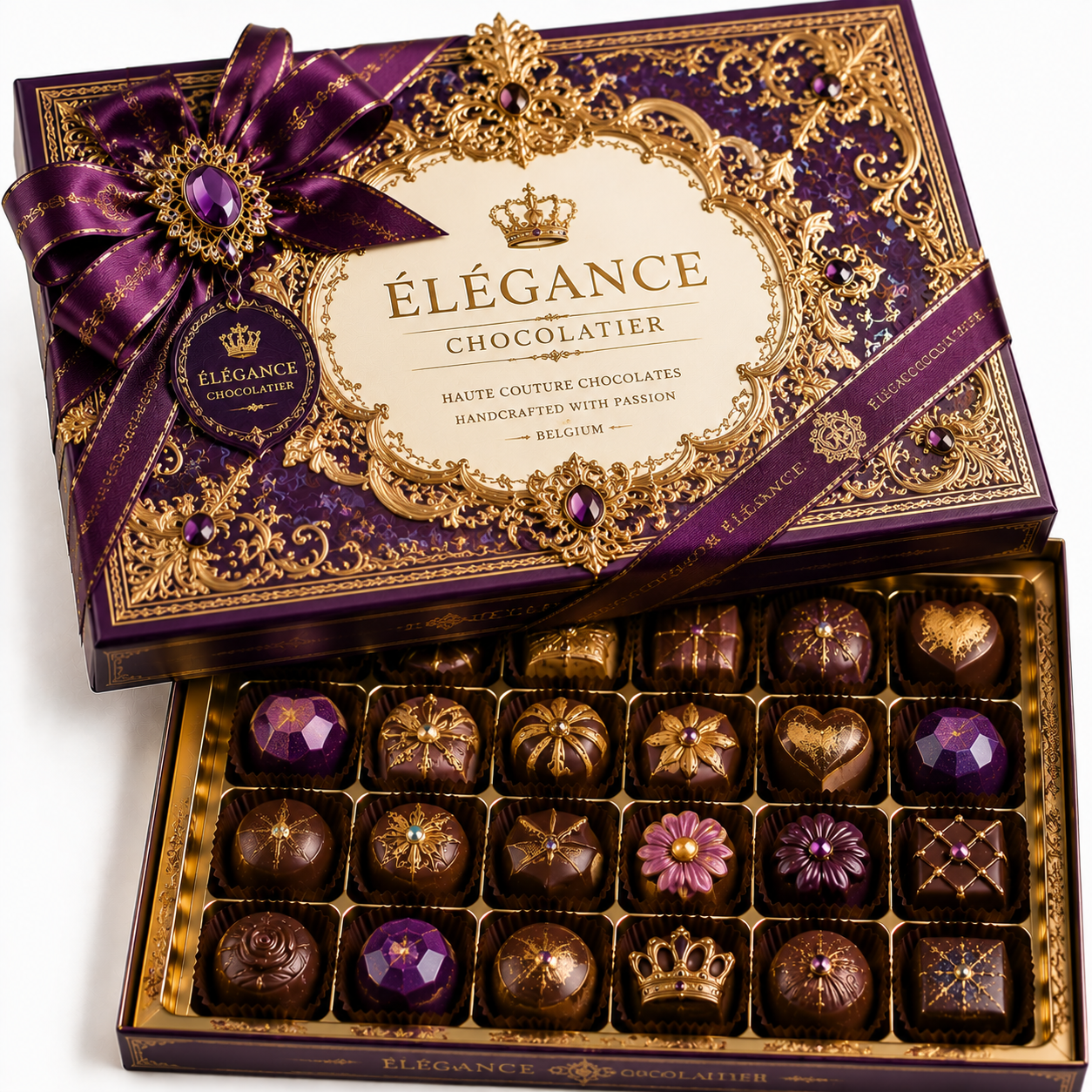
Let's talk about something that's changed the packaging industry dramatically over the past decade: the unboxing video. Millions of people watch strangers open boxes on YouTube and TikTok. A well-designed unboxing moment is essentially free advertising that reaches audiences traditional marketing never touches.
Luxury gift box packaging is now designed with this performance in mind. The experience is staged in layers. The outer sleeve slides off to reveal the box. The lid lifts with gentle resistance from a magnetic closure. A sheet of branded tissue paper unfolds. Inside, products are arranged in a custom-fit tray that presents each item like it's on display. A small card with a handwritten-style message sits on top. Each layer is a beat in the story.
Brands that nail this get shared organically. Their packaging appears in Instagram stories, in TikTok hauls, in YouTube reviews. The packaging itself becomes content. And the viewers absorbing that content are potential customers learning to associate the brand with quality, care, and desirability.
Designing for unboxing means thinking about sequencing. What does the customer see first? What do they touch first? Is there a reveal moment—a dramatic unveiling of the product? Is there a surprise—something unexpected inside the box that delights them? These aren't afterthoughts. They're deliberate choices made during the packaging design process.
Not every product needs a $3 box, and not every customer will pay for one. Before you dive into luxury gift box packaging, be honest about your positioning.
Luxury packaging works when it aligns with your brand story and your customer's expectations. If you sell $8 gift items, a rigid magnetic box probably overpromises and eats your margin. If you sell $60 artisan products that compete on quality and exclusivity, luxury packaging isn't an extravagance—it's a requirement. Your customers expect it, and they'll feel shortchanged without it.
The sweet spot for many growing brands is a tiered packaging strategy. Use your full luxury packaging for gift sets, seasonal collections, and your highest-margin products. Offer simpler packaging for everyday purchases and value items. This lets you capture the premium end of the market while keeping your core range accessible.
One final thought. Luxury packaging isn't static. Consumer expectations shift. What felt premium five years ago—glossy lamination, standard gold foil—now feels standard. Today's luxury is defined by texture, sustainability, authenticity, and experience. The brands winning at the premium end are the ones pushing these boundaries. Your packaging should evolve with the market, not lag behind it.
This depends on whether boxes have been printed before and deposited money saved. Most of the people that print in small quantities are better off paying cost. A simple box for stocking retail products like truffles or bonbons could be anywhere from one dollar to four dollars, and if you order 500 or more then the price portfolio will fall further-very probably each such box no more than 10 cents. A custom rigid box with foil of course is always going to be more expensive. You are better off getting a specific quote than just an estimate.
Certainly, suppliers who take their business seriously use only food grade materials and inks. All surfaces with which it comes into contact must guarantee not to contaminate whatsoever. This concerns things like the paperboard of a box, both coatings and glues. Equally, it's a good idea to check out from your supplier that their inks are deemed to be food safe. In this way you assure quality and safety in your printing.
A die line is simply a flat, two dimensional (2D) drawing of your box showing all cut lines, fold lines, and gluing areas. This is sent to you either by your suppliers or perhaps you draw my design on. It ensures that everything prints and folds correctly. It is the very first blueprint you need for your custom box.
Yes, thanks to the arrival of digital printing it is now possible to order modest quantities at low cost. Most suppliers ask for Minimum Order Quanties (MOQs) of perhaps about 25 or 50 boxes. Even so, it is worth noting that your cost per box is appreciably lower when you order a large quantity.
In switching to low-waste methods, you should choose materials like recycled Kraft paper or FSC-certified paperboard,which means it has been grown sustainably. Use soy-based inks in place of plastic coatings. A design which is simple, elegant, and made of recyclable materials will appeal to customers who care about the environment.
Post time: Jul-27-2026


