


Why Heat Is a Real Problem for Chocolate Shipping
Chocolate looks tough until it spends a few hours inside a hot delivery truck. Then things can get messy. Melted chocolate, soft edges, cloudy surfaces, and damaged packaging can quickly turn a premium product into a disappointing delivery.
That is why Custom Chocolate Boxes need to do more than look attractive. When chocolate is shipped during warm weather, the box becomes part of the product protection system. A good package should help slow down heat transfer, reduce movement inside the box, and keep the chocolate in good shape from the warehouse to the customer's doorstep.
Packaging Has to Work Beyond the Store Shelf
A chocolate box designed for retail display is not always suitable for shipping. On a store shelf, temperature and handling are relatively predictable. During delivery, the package may face direct sunlight, temperature swings, rough handling, and long periods in a vehicle.
This is where heat-safe packaging makes a difference. The outer box can provide structure and branding, while inner insulation, liners, cooling packs, or protective inserts can create another layer of defense.
Good Design Starts With the Chocolate
Different chocolates react differently to heat. Dark chocolate, milk chocolate, filled truffles, pralines, and chocolate-covered treats may have different temperature tolerances.
So, instead of choosing packaging simply because it looks good, brands should start with the product itself. The size, shape, ingredients, shipping distance, season, and expected delivery time all matter when selecting Custom Chocolate Boxes for warm-weather fulfillment.
More Than Just a Cardboard Box
Cardboard is a popular packaging material because it is lightweight, printable, recyclable, and relatively easy to customize. But cardboard alone is not enough to protect chocolate from serious heat exposure.
For temperature-sensitive shipments, brands can combine the outer carton with an insulated interior. Depending on the application, this may include reflective liners, insulated foam, corrugated insulation, or other thermal barriers.
The idea is pretty simple: slow down the rate at which outside heat reaches the chocolate.
Choosing the Right Insulating Layer
There is no single insulation solution that works for every chocolate shipment. A small local delivery may need a very different setup from a package traveling across several states.
For short-distance shipments, a lightweight thermal liner may be enough when combined with suitable cooling packs. For longer routes or hotter climates, thicker insulation and better temperature control may be necessary.
The important point is balance. Overpacking can increase shipping costs and create unnecessary waste. Underpacking can lead to melted products and customer complaints. Smart Custom Chocolate Boxes are designed around the actual shipping conditions rather than using the same package for every order.
Cooling Packs Need a Purpose
Gel packs and other cooling solutions can help maintain a safer temperature inside the package, but they should not simply be tossed into the box.
Their placement matters. They need enough separation from the chocolate to avoid condensation or direct contact issues, while still providing effective cooling. The package also needs enough internal space and insulation to manage the cold without damaging delicate products.
In other words, cooling is only one part of the system. Insulation, product placement, box size, and delivery time all work together.
Stop Chocolate From Moving Around
Heat is not the only problem during shipping. Chocolate can also crack, break, or lose its shape when it moves around inside the package.
Custom inserts can help keep individual pieces in position. Compartments, trays, sleeves, and molded structures can separate products and prevent them from knocking against each other.
For premium chocolate brands, this matters a lot. A beautifully designed truffle that arrives with a broken shell does not create the experience customers expected.
Fit Matters More Than You Might Think
An oversized box may look impressive, but it can leave too much empty space inside. That means more movement and often more packaging material.
A box that is too tight can create its own problems, especially when additional insulation or cooling materials are required.
A properly sized Custom Chocolate Box gives the product enough room for protection without creating unnecessary volume. It can also help brands reduce dimensional shipping costs and improve packing efficiency.
Protect the Product Without Hiding the Brand
Protective packaging does not have to look industrial. The outside of the package is still a branding opportunity.
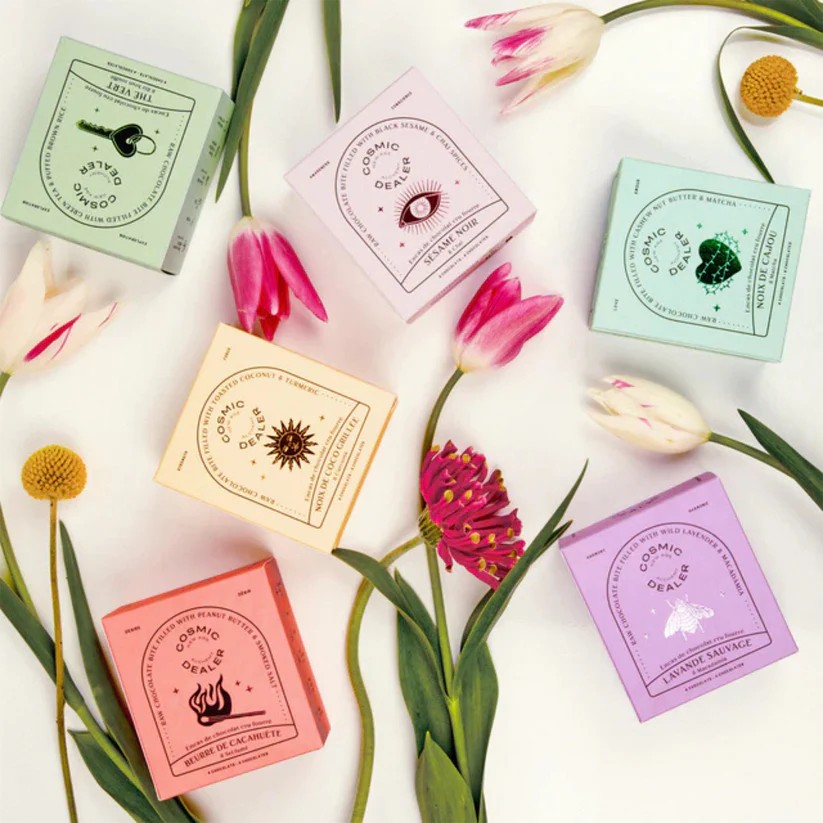
A chocolate company can use custom colors, logos, typography, patterns, and printed messaging to create a recognizable unboxing experience. The goal is to keep the technical protection on the inside while allowing the outside to feel warm, premium, and distinctly on-brand.
Seasonal Packaging Should Be Planned Early
Warm-weather shipping should not be treated as an emergency once temperatures start climbing. Brands that sell chocolate year-round should plan their summer packaging strategy ahead of time.
Testing is especially important. A package that performs well in a climate-controlled warehouse may behave very differently after several hours in high temperatures.
Companies can simulate realistic shipping conditions by testing packaging at different temperatures and for different periods. These tests can reveal weak points before customers discover them.
Think About the Entire Delivery Journey
A package does not experience one temperature from beginning to end. It may move through a cool warehouse, a hot loading area, an air-conditioned truck, a sorting facility, and another vehicle before arriving at the customer's home.
That makes the entire delivery journey important.
When developing Custom Chocolate Boxes, brands should consider the expected shipping duration, carrier network, geographic destination, season, and delivery schedule. A package traveling overnight may require a different solution from one that spends two or three days in transit.
Faster Delivery Can Help Too
Packaging cannot solve every temperature problem. Sometimes the simplest improvement is reducing transit time.
Overnight or expedited shipping can lower the amount of time chocolate spends exposed to potentially damaging temperatures. When combined with insulation and cooling materials, faster delivery can provide an additional safety margin.
For high-value chocolates, the cost of faster shipping may be easier to justify because it protects both the product and the customer experience.
Protection Does Not Have to Mean Excessive Packaging
It is easy to assume that more material automatically means better protection. That is not always true.
A well-engineered package can often provide strong protection with less material because each component has a specific job. The outer carton provides structure. The insulation slows heat transfer. The insert keeps products stable. Cooling materials help control temperature.
When these parts are designed together, brands can avoid unnecessary layers while still protecting the chocolate.
Sustainable Materials Are Becoming More Important
Customers increasingly pay attention to what happens to packaging after delivery. That makes material selection part of the brand conversation.
Depending on the required thermal performance, companies can explore recyclable, reusable, or responsibly sourced packaging materials. However, sustainability should never be treated as a marketing label without considering actual performance.
For temperature-sensitive products, the best approach is to find a practical balance between protection, material efficiency, shipping performance, and end-of-life disposal.
Reduce Waste Through Better Box Sizing
Box dimensions have a surprisingly big impact on packaging waste and shipping costs.
A custom-sized solution can reduce unused space, lower the amount of filler required, and potentially improve shipping efficiency. For businesses shipping hundreds or thousands of chocolate orders, even a small reduction in packaging volume can add up quickly.
That is one reason Custom Chocolate Boxes can be more efficient than generic stock cartons.
The First Impression Happens Before the Chocolate Is Tasted
Customers start judging a chocolate brand the moment the package arrives. A crushed box, melted product, or messy interior can immediately damage that impression.
On the other hand, a sturdy, clean, thoughtfully designed package creates confidence before the box is even opened.
This is especially important for chocolates purchased as gifts. The recipient may never see the company's website or store. The package itself becomes the main physical representation of the brand.
Make the Unboxing Feel Intentional
A strong unboxing experience does not need to be complicated. Simple details can make a difference.
A branded sleeve, neatly arranged chocolates, a short thank-you message, or a clear product card can make the package feel personal. These details can sit alongside the protective components without interfering with their function.
With the right Custom Chocolate Boxes, protection and presentation can work together rather than competing with each other.
Packaging Can Build Repeat Business
Good packaging can also influence whether customers order again. If a chocolate shipment arrives in excellent condition and feels premium when opened, customers are more likely to remember the experience.
For online chocolate businesses, that matters. Customers cannot physically touch or taste the product before buying. Packaging helps bridge that gap.
A reliable package communicates something simple: this company cares about what it sends.
Heat-safe chocolate shipping is really about preparation. Hot weather, long transit times, rough handling, and changing temperatures can all put delicate chocolate at risk. The right Custom Chocolate Boxes help businesses manage those challenges by combining smart sizing, insulation, cooling solutions, protective inserts, and strong exterior construction.
At the same time, protective packaging should still feel like part of the brand. Customers want their chocolate to arrive intact, but they also want the package to look exciting and worth opening.
For chocolate businesses shipping online, investing in well-designed Custom Chocolate Boxes can therefore do more than prevent melting. It can reduce product damage, improve shipping efficiency, strengthen the unboxing experience, and give customers another reason to come back.
Custom Chocolate Boxes can be designed with insulated liners, thermal barriers, protective inserts, and cooling packs to slow down heat transfer during shipping. The exact setup depends on the type of chocolate, shipping distance, weather, and expected delivery time. A properly designed package helps keep chocolate at a safer temperature for longer.
Yes. Custom Chocolate Boxes can be specially designed for warm-weather and summer shipping. Brands can combine a sturdy outer carton with insulation and suitable cooling materials to provide extra protection against high temperatures. However, packaging should always be tested under realistic shipping conditions before being used at scale.
They can. Besides protecting chocolate from heat, Custom Chocolate Boxes can include trays, dividers, compartments, or custom inserts that keep individual chocolates securely in place. This helps reduce movement inside the package and lowers the risk of cracked, broken, or misshapen chocolate during transportation.
They can be. Businesses can choose recyclable, responsibly sourced, or reusable materials depending on their packaging requirements. Custom sizing can also reduce empty space and unnecessary packaging material. The key is to balance sustainability with the level of thermal and physical protection the chocolate needs.
Start by considering your chocolate products, package size, shipping distance, average delivery time, and the temperatures your orders may encounter. You should also think about branding, insulation, cooling options, sustainability, and shipping costs. Most importantly, test the complete Custom Chocolate Boxes in realistic conditions before placing a large production order.
Post time: Aug-31-2026


