


Chocolate packaging is changing fast. What used to be a simple decision about colors, ribbons, and box sizes is now tied to material efficiency, recyclability, transport, and evolving packaging rules. For brands selling chocolate gifts in Europe, the Packaging and Packaging Waste Regulation (PPWR) makes packaging design an even bigger part of the conversation. The goal is not simply to make a beautiful box. It is to create Chocolate Gift Boxes that protect the product, use space wisely, reduce unnecessary packaging, and fit a more circular packaging system.
The Problem With Oversized Chocolate Packaging
An oversized chocolate box can look premium on a shelf, but empty space comes with practical costs. More box material may be needed, more air may be shipped, and more storage volume can be used than necessary. For chocolate brands handling thousands of units, those small differences can add up quickly.
This is why “no empty space” is becoming more than a packaging slogan. It is a useful design principle. A well-designed box should give the chocolate enough room for protection while avoiding unnecessary gaps between the product, inserts, and outer packaging.
PPWR and the Shift Toward Efficient Packaging
The EU’s PPWR is designed to reduce packaging waste and encourage more sustainable packaging practices. For businesses selling into the European market, this means packaging decisions need to be considered earlier in the product-development process.
For Chocolate Gift Boxes, that can mean looking closely at dimensions, material choices, components, recyclability, and how much packaging is actually needed. The exact compliance requirements depend on the packaging format, market, material, and applicable implementation rules, so brands should check the latest official requirements before finalizing a design.
Why Packaging Design Needs to Start Earlier
A common mistake is designing the chocolate first and trying to “fix” the packaging later. A better approach is to develop the chocolate arrangement and box structure together.
When the product dimensions, cavities, inserts, and box footprint are planned as one system, it becomes easier to reduce unused space without compromising protection.
Start With the Chocolate Layout
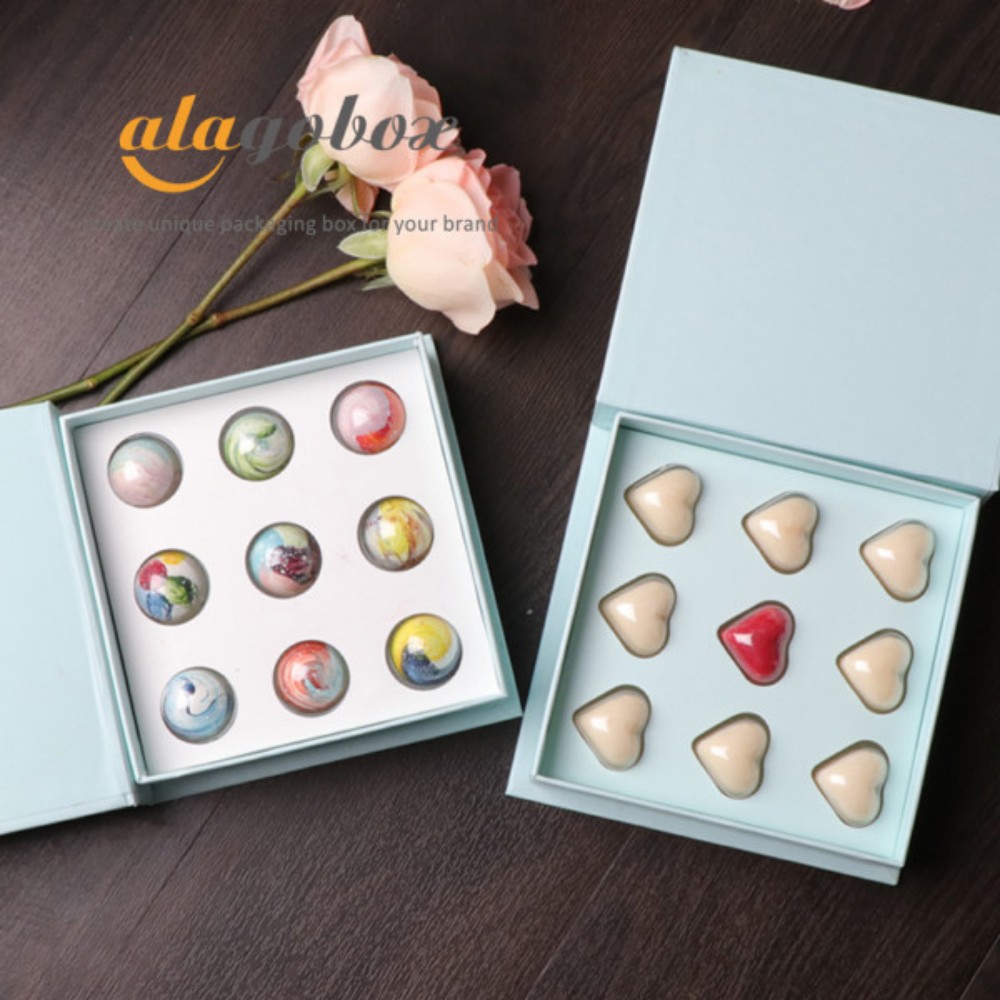
The most practical way to reduce empty space is to start from the chocolates themselves. Measure the individual pieces, consider their arrangement, and identify the smallest practical footprint that still allows for safe handling.
For example, a rectangular assortment does not always need a large square box. A compact grid can sometimes create a better fit, especially when the chocolate shapes are consistent.
Choose Inserts That Actually Add Value
Inserts can keep chocolates from moving around, but they can also become an unnecessary layer of packaging if they are oversized or difficult to recycle.
A good insert should have a clear purpose. It may protect delicate chocolate pieces, separate flavors, improve presentation, or make the box easier to open. If it does none of these things, it is worth asking whether it needs to be there.
Balance Protection and Compactness
“No empty space” does not mean squeezing chocolates into a box with no protection. Chocolate can be sensitive to impact, heat, moisture, and movement depending on the product.
The better goal is controlled space. Leave enough clearance for protection and handling, but avoid decorative cavities that serve no functional purpose.
Less Material Does Not Automatically Mean Better Packaging
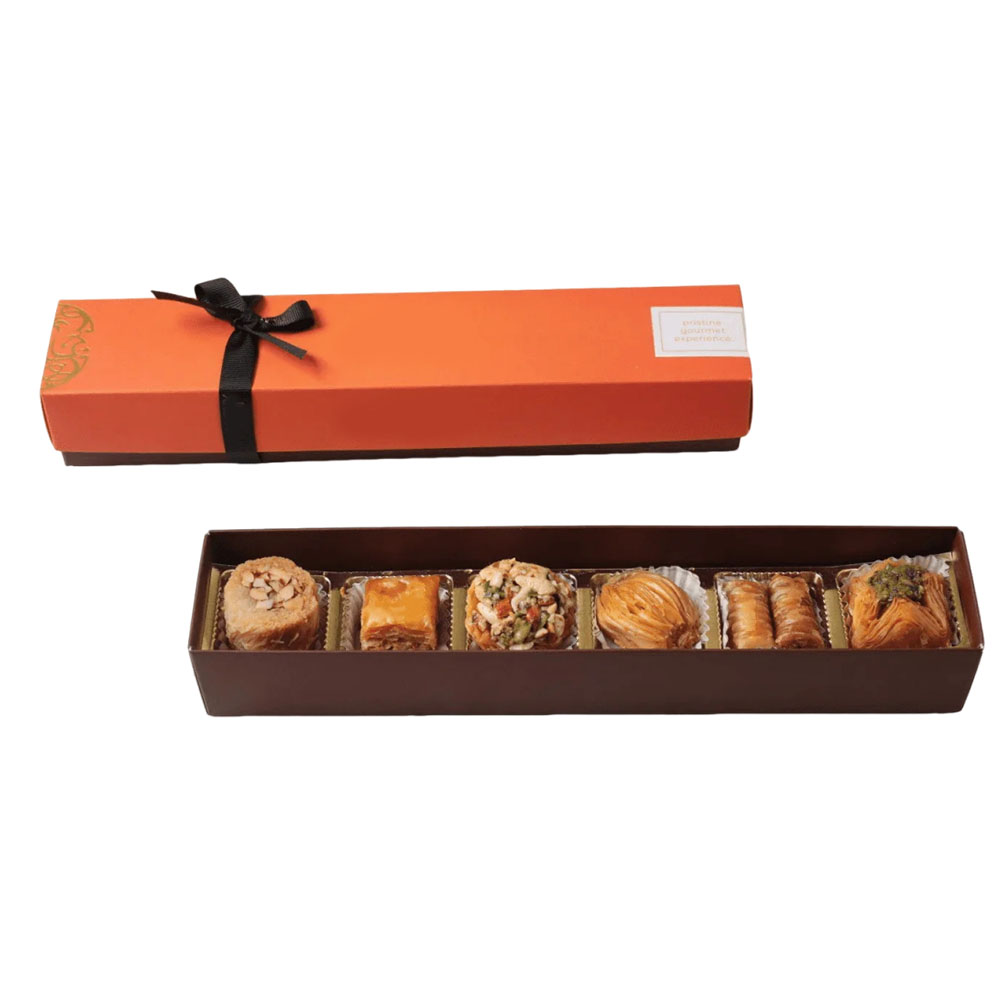
Reducing the amount of cardboard or paper sounds straightforward, but packaging still needs to survive production, shipping, storage, and retail handling.
If a lightweight box collapses during transportation, the result may be more product damage and waste. That is why material reduction should be combined with structural optimization.
Match Board Thickness to Box Structure
The right board thickness depends on box dimensions, construction, product weight, stacking conditions, and transportation requirements. Sometimes a smarter structural design can provide sufficient strength without simply increasing material thickness.
Folding geometry, locking structures, reinforced corners, and well-positioned folds can all influence performance.
Keep Components Simple
A premium chocolate box can still look sophisticated without using five different materials. Combining a rigid structure with plastic windows, metallic decorations, foam, ribbons, and multiple inserts may make recycling more complicated.
For brands preparing Chocolate Gift Boxes for stricter packaging expectations, a simpler material system can make the overall packaging easier to evaluate and manage.
Packaging Size Affects Logistics
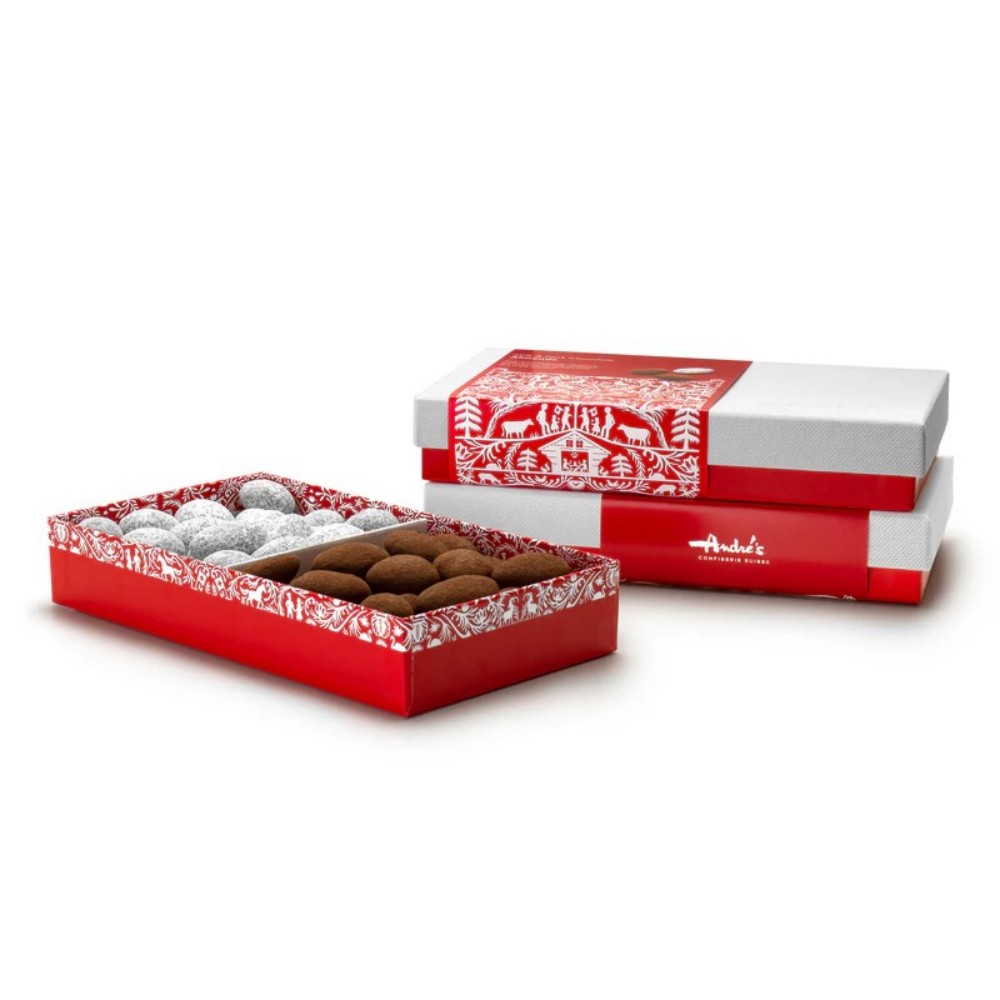
Every extra centimeter matters when a product is produced and shipped at scale. A box with unnecessary empty space occupies more room in cartons, warehouses, delivery vehicles, and retail displays.
Compact packaging can therefore influence logistics efficiency as well as material consumption.
Improve the Inner Pack Before the Outer Carton
Sometimes the biggest opportunity is not the gift box itself but the relationship between the gift box and the shipping carton.
If several Chocolate Gift Boxes can be packed efficiently into a master carton with minimal void space, the whole distribution system can become more efficient.
Test Before Scaling Production
A box may look perfect on a computer screen and still fail in the real world. Packaging teams should test prototypes for compression, vibration, drops, stacking, opening, and product movement.
Testing also helps reveal whether a smaller box is genuinely practical or simply attractive in a 3D mock-up.
Sustainability Should Not Remove the Gift Experience
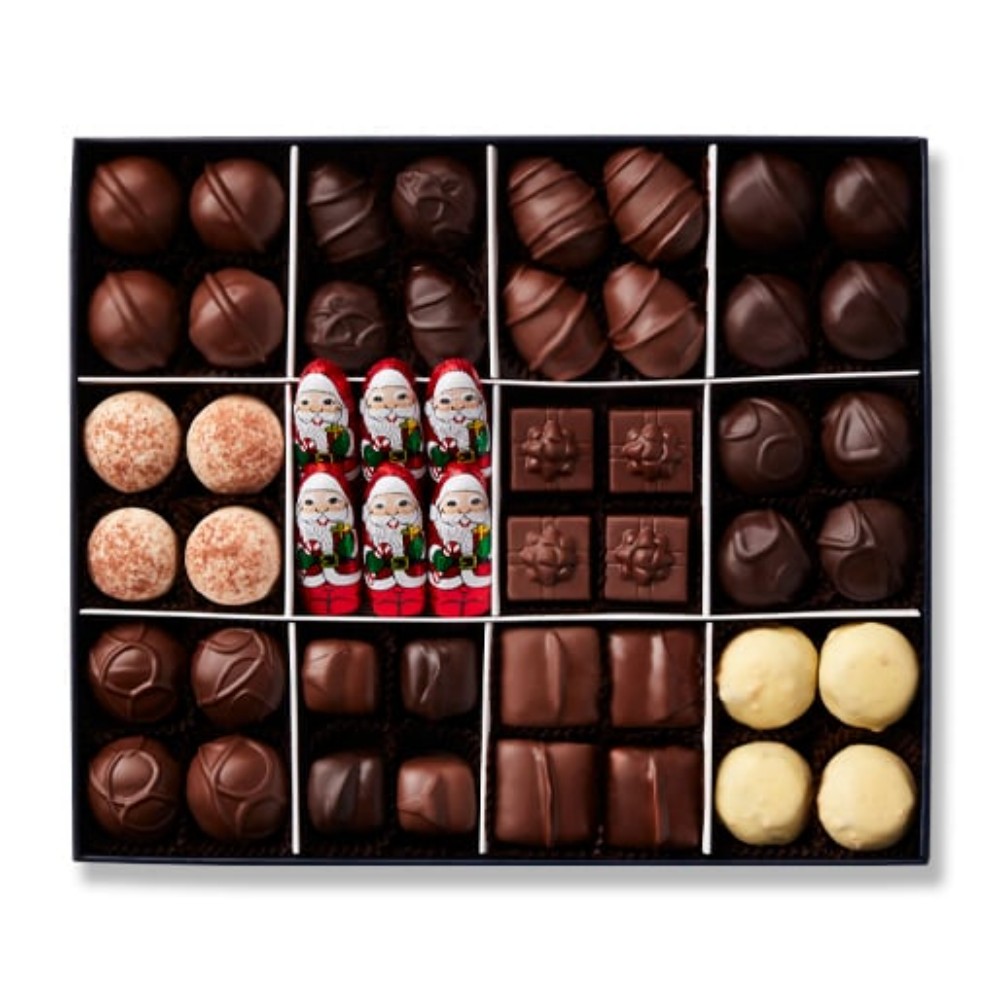
Chocolate is often purchased as a gift, so presentation still matters. Consumers expect the box to feel intentional, attractive, and easy to open.
Reducing empty space does not mean making the product feel cheap. A carefully fitted interior can actually make the chocolates look more organized and valuable.
Use Structure Instead of Excess Decoration
Instead of relying on oversized dimensions to create a luxury feeling, brands can use typography, paper texture, embossing, color, internal layout, and opening sequences.
A compact box with a clever opening experience can feel more premium than a large box filled with unnecessary packaging.
Make Recycling Easier to Understand
Clear material choices can also improve the customer experience. If the packaging uses a straightforward structure, consumers may find it easier to understand what can be separated or recycled according to local systems.
That clarity is increasingly relevant as brands think beyond the moment when the gift is opened.
The future of chocolate packaging is not about making every box smaller at any cost. It is about making every part of the package work harder. Chocolate Gift Boxes can still look luxurious while using space, materials, and structure more intelligently.
A PPWR-ready approach starts with the product, removes unnecessary empty space, simplifies components where practical, considers transport efficiency, and tests the final structure in real conditions. For chocolate brands, this can turn packaging from a purely visual element into a more thoughtful part of product design.
The key idea is simple: less empty space should not mean less value. With the right structure, materials, and product fit, chocolate gift packaging can protect the chocolates, support a premium presentation, and move toward a more resource-efficient packaging model.
PPWR-ready Chocolate Gift Boxes are designed with packaging efficiency, material use, recyclability, and product protection in mind. Instead of using oversized boxes with unnecessary empty space, brands can create packaging that fits the chocolates more closely while still providing enough protection during handling and transportation. The exact requirements depend on the packaging type and applicable EU rules, so brands should review the latest PPWR requirements before production.
Too much empty space can mean more packaging material, larger shipping volumes, and less efficient storage. For brands producing chocolate gifts at scale, these differences can quickly add up. Well-designed Chocolate Gift Boxes use enough space for protection and presentation without adding unnecessary volume. This can also make the product feel more organized and intentional.
Absolutely. A premium look does not have to come from a large box or multiple layers of packaging. Brands can create a luxury experience through high-quality paper, thoughtful typography, embossing, color, structural design, and a carefully planned chocolate arrangement. A compact box can actually make the chocolates feel more refined because every element has a clear purpose.
The best place to start is with the chocolate itself. Measure the individual pieces, plan the arrangement, and then develop the box around that layout. Inserts should only be used when they provide a clear function, such as preventing movement or protecting delicate chocolates. Brands should also consider how multiple boxes fit into shipping cartons to reduce unnecessary space throughout the supply chain.
Brands should look at the complete packaging system rather than focusing only on appearance. Important factors include box dimensions, material selection, structural strength, inserts, recyclability considerations, shipping efficiency, and consumer experience. Working with an experienced packaging supplier early in the design process can also help identify practical ways to reduce unnecessary materials and prepare Chocolate Gift Boxes for changing packaging expectations.
Post time: Sep-19-2026


