


In today's highly competitive market, products not only need to be of outstanding quality, but packaging design has also become a crucial factor in attracting consumers. Paper gift boxes, in particular, are increasingly favored by brands and consumers due to their advantages such as being environmentally friendly, aesthetically pleasing, and customizable. A personalized gift box can not only enhance the product's image but also strengthen brand recognition and provide consumers with a better unboxing experience.
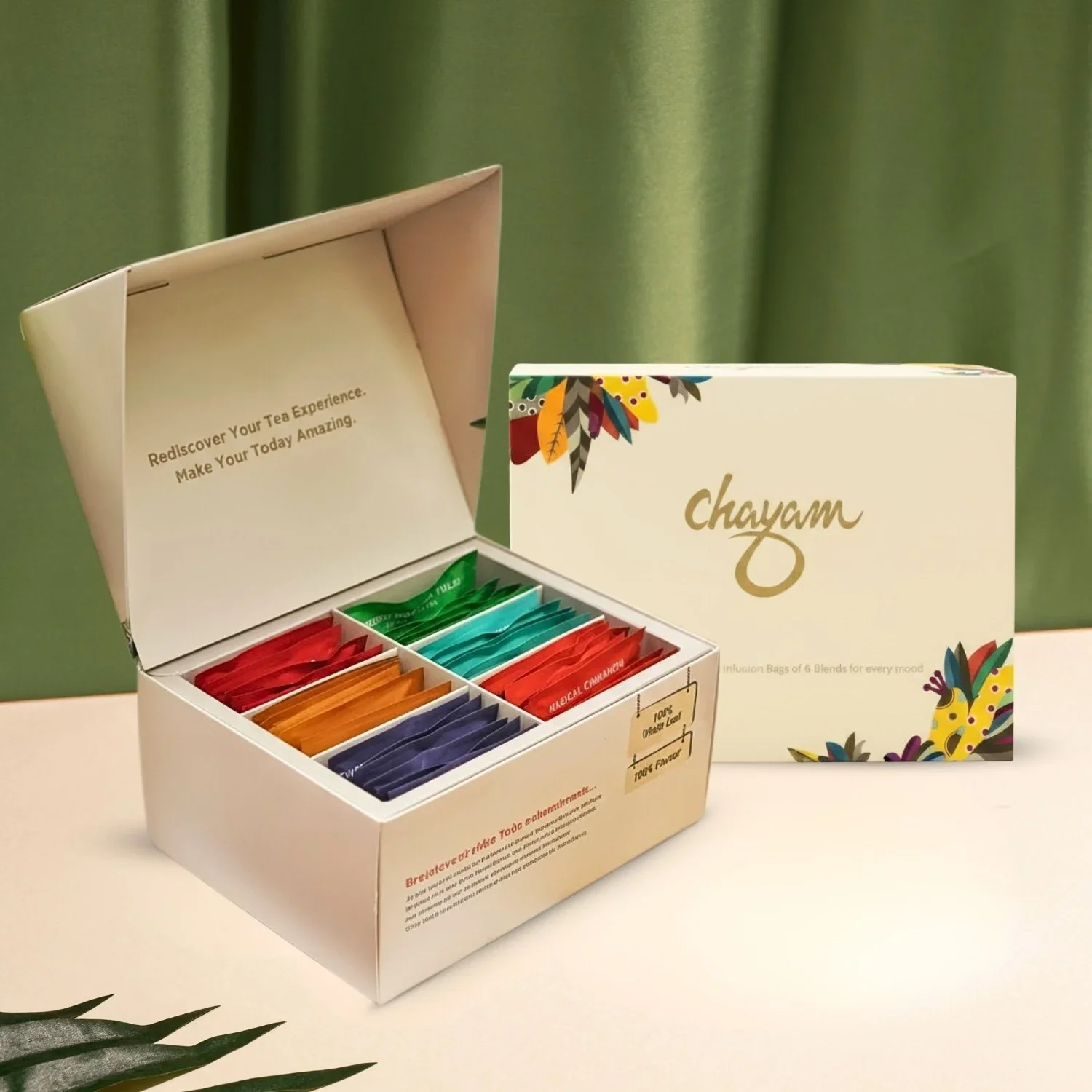
Different products suit different packaging design styles; a suitable style positioning can make a product more attractive.
Minimalist Modern Style
Minimalist design emphasizes simplicity and sophistication, typically using:
Solid color backgrounds
Simple fonts
Geometric graphic designs.
This style is particularly suitable for high-end electronics, skincare products, and accessible luxury brands.
Illustrated Creative Style
Original illustrations can imbue packaging with more artistic flair, making the product more story-driven and emotionally resonant.
Commonly seen in:
Handmade food packaging
Cultural and creative products
Children's gift boxes
Creative illustrations can also enhance consumers' desire to share and improve social media dissemination.
**Guochao (Chinese Chic) Cultural Style**
In recent years, Guochao elements have become very popular in packaging design. Traditional patterns, ink painting elements, and Chinese red design languages can make packaging more culturally distinctive.
Especially suitable for:
Tea gift boxes
Mooncake packaging
Chinese pastry gift boxes
This design not only reflects cultural value but also more easily attracts younger consumers.
Eco-friendly and Natural Style
Environmental protection concepts are influencing the global packaging industry. Many brands are starting to use kraft paper, biodegradable paper, and soy ink for printing.
A natural and eco-friendly style typically embodies the green and environmentally friendly concept through: natural wood tones, plant elements, and minimalist printing.
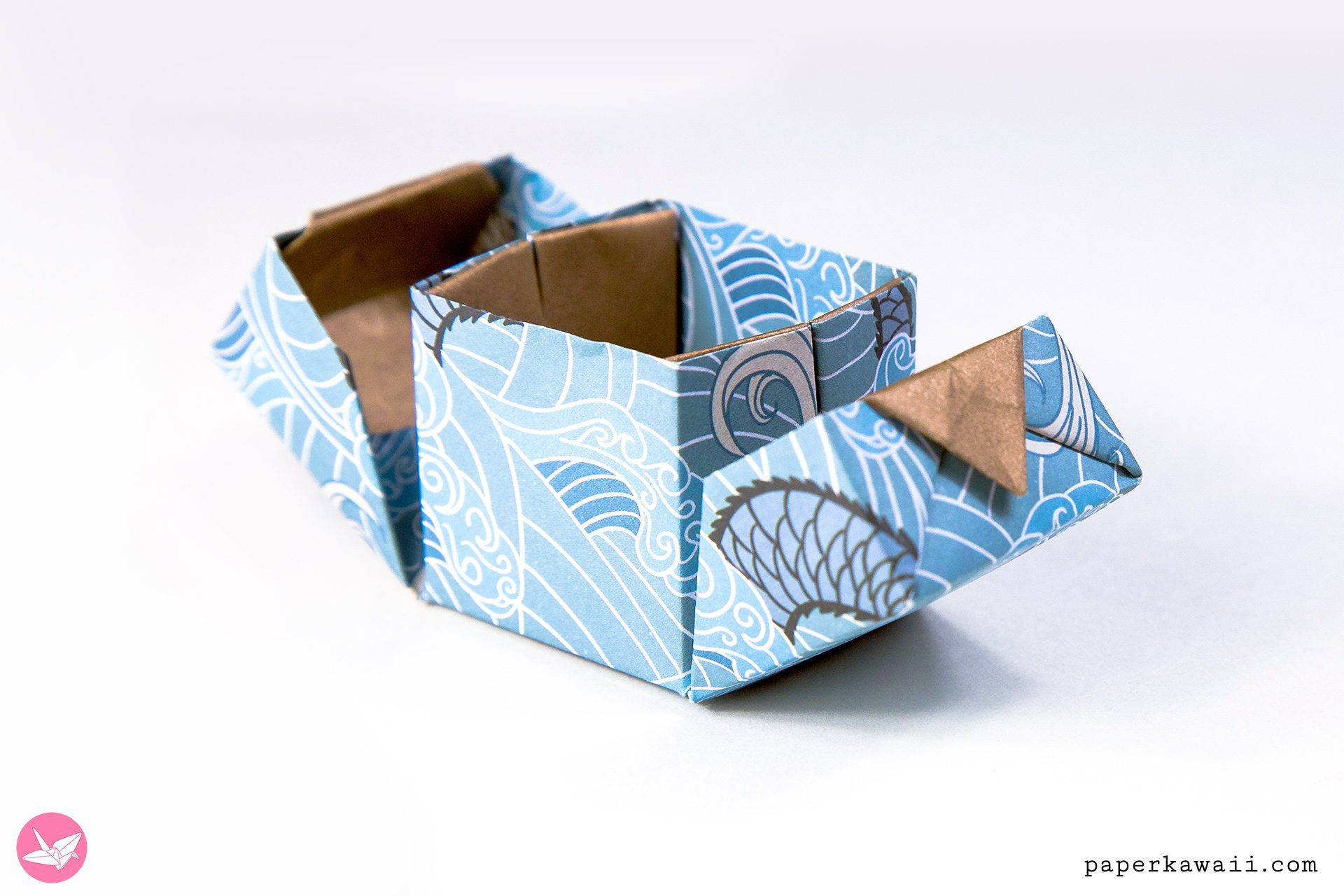
With the upgrading of consumption, consumers' requirements for packaging have gone beyond simply "protecting products." They now place greater emphasis on visual experience and emotional expression.
Personalized paper gift boxes offer several advantages:
Enhancing Product Prestige
Exquisite packaging directly influences consumers' perception of a product's value. High-quality paper gift boxes, using techniques such as hot stamping, embossing, and UV printing, can make products appear more upscale.
For example: Cosmetic gift boxes, chocolate boxes, jewelry gift boxes, and holiday gift packaging.
These products often enhance brand premium through unique packaging.
Strengthening Brand Recognition
Customized packaging can incorporate the company logo, brand colors, and exclusive patterns, allowing consumers to quickly remember the brand image.
When consumers see packaging with a distinctive design style among numerous products, they are more likely to form brand memory, thereby increasing repurchase rates.
Meeting Consumers' Personalized Needs
Today's consumers increasingly seek "uniqueness." Customized paper gift boxes can be designed according to different holidays, events, or customer needs, such as: Christmas-themed packaging, Valentine's Day gift boxes, wedding favor boxes, and corporate gift boxes. This sense of exclusivity effectively enhances the user experience.
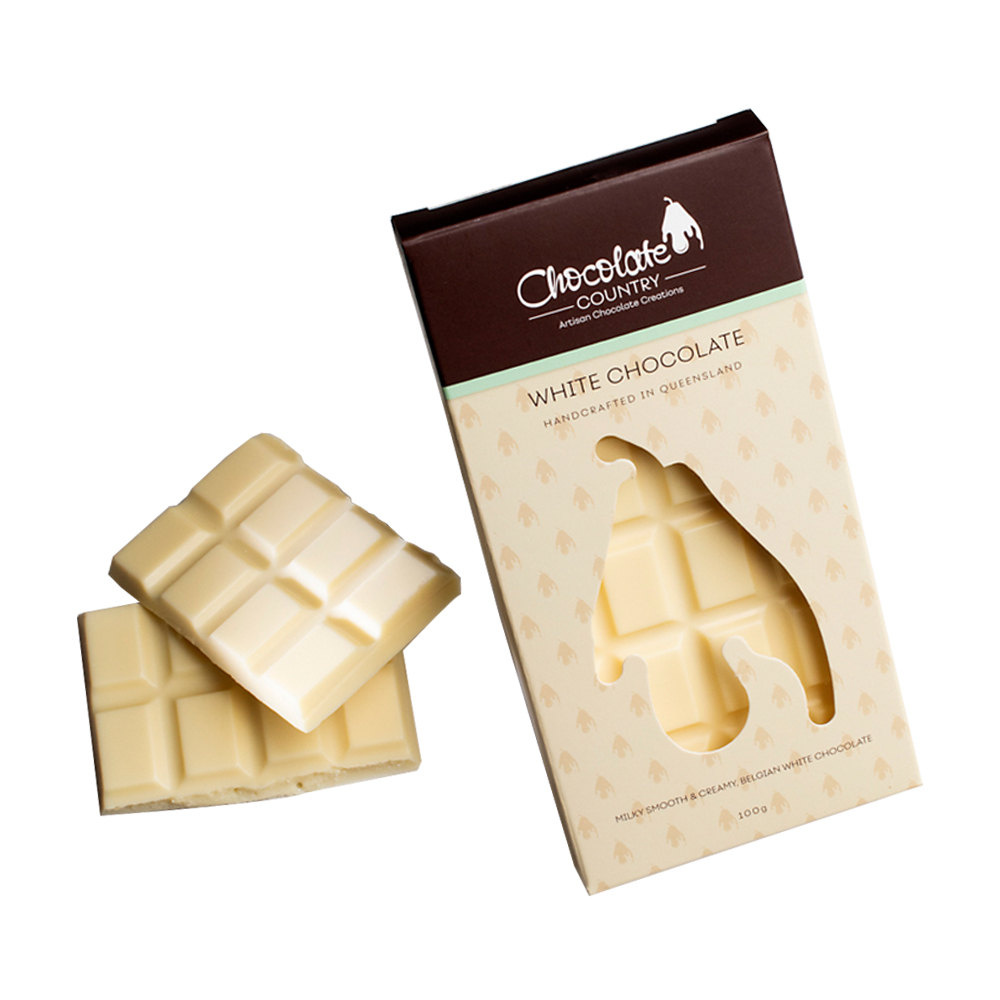
We are also offering finishing options such as glossy and matte look which gives the custom printed candy boxes a final touch. They can add sparkle to your design and also give added protection.
| Feature | Application | Cost Impact |
| Printing: Digital | Small quantities, complex color layouts | Low setup cost, high per-unit cost |
| Printing: Offset | High quantities, precise color matching | High setup cost, low per-unit cost |
| Finish: Gloss Lamination | For a bright, eye-catching look; it also protects | Low-Medium |
| Finish: Matte Lamination | For an elegant, classy, modern look | Low-Medium |
| Finish: Spot UV | To show a logo or highlight a specific design | Medium |
| Finish: Foil Stamping | For products with luxury and a premium feel (gold, silver) | High |
| Finish: Embossing/Debossing | Creating the feel of texture and the 3D effect | Medium-High |
Packaging materials directly affect the texture and user experience of gift boxes, making the selection of suitable materials crucial.
Grey Board Paper
Grey board paper has high rigidity, enhancing the sturdiness of gift boxes and is commonly used in high-end gift packaging.
Features: Strong load-bearing capacity
High-end texture
Suitable for premium gift boxes
Kraft Paper
Kraft paper has natural and environmentally friendly properties, making it increasingly popular in the market.
Advantages include: Recyclable
Natural style
Moderate cost
Suitable for eco-friendly brands and artistic products.
Coated Paper
Coated paper has a smooth surface, resulting in vibrant printing effects and better presentation of pattern details.
Suitable for:
Color packaging design
High-precision pattern printing
Brand promotional gift boxes
Specialty Paper
Specialty paper has unique textures and a premium feel, significantly enhancing the packaging's quality.
Examples:
Pearl paper
Tactile paper
Embossed paper
These materials are commonly used in luxury gift boxes.
A successful packaging design needs more than just aesthetics; it must also consider market demands and brand positioning.
Identify Your Target Consumer Group
Different age groups and consumer habits lead to different packaging preferences.
For example:
Younger consumers prefer creative and trendy designs.
High-end clients prioritize quality.
Environmentally conscious consumers favor green packaging.
Therefore, it's crucial to clearly define your product positioning before designing.
Focus on Packaging Structure Design
Besides appearance, packaging structure is equally important.
Currently popular gift box structures include:
Drawer boxes
Flip-top magnetic boxes
Bottom-top boxes
Folding gift boxes
A well-designed structure enhances the unboxing experience.
Integrate Your Design with Your Brand Story
Excellent packaging is not just a container; it's a medium for disseminating brand culture.
By incorporating:
Brand philosophy
Product story
Cultural elements
into the packaging design, you can enhance emotional resonance with consumers.
Prioritize Environmental Protection and Sustainable Development
The future development trend of the packaging industry will undoubtedly revolve around environmental protection.
Businesses can choose from: Biodegradable materials, FSC-certified paper, and plastic-free packaging solutions. These not only help enhance brand image but also better meet the demands of the international market.
As the consumer market continues to evolve, future paper gift packaging will focus more on the following areas:
Intelligent Packaging:
Some brands are beginning to incorporate:
NFC chips
QR code interaction
AR experiences
Enhancing consumer interaction.
Small-batch Customized Production:
The development of digital printing technology has made small-batch personalized packaging possible.
Companies can quickly launch different packaging solutions based on:
Holiday events
Co-branded collaborations
Limited-edition products.
Socialized Visual Design:
More and more brands are emphasizing packaging designs that are "photo-friendly and shareable."
High-quality gift boxes can generate secondary dissemination on social media platforms, thereby increasing brand exposure.
Paper gift boxes are packaging boxes made primarily of cardboard, kraft paper, grey board, or specialty paper. They are widely used in the gift, cosmetics, food, jewelry, and electronics industries. They not only protect products but also enhance brand image and product quality.
Paper gift boxes offer the following advantages:
Environmentally friendly and recyclable
Highly malleable
Good printing quality
Supports personalized customization
Enhances product quality
Beneficial for brand promotion
Furthermore, paper packaging aligns better with current green and environmentally friendly development trends.
Common materials include:
Grey board
Kraft paper
White cardboard
Coated paper
Specialty paper
Corrugated paper
Different materials vary in hardness, texture, and printing quality.
When choosing a size, consider: Actual product size, internal tray space, shock absorption requirements, display effect, and shipping costs. It is generally recommended to customize the size precisely according to the product dimensions to avoid the size being too large or too small, which could negatively impact the user experience.
In switching to low-waste methods, you should choose materials like recycled Kraft paper or FSC-certified paperboard,which means it has been grown sustainably. Use soy-based inks in place of plastic coatings. A design which is simple, elegant, and made of recyclable materials will appeal to customers who care about the environment.
Post time: Jun-02-2026


