


The Problem Behind Counterfeit Chocolate
Counterfeit products are not only a problem for luxury goods or electronics. Food products can also be copied, repackaged, or sold without permission. A fake chocolate product may use a brand’s logo, colors, product name, or packaging style to look almost identical to the original.
For customers, that can be confusing. They may not know whether the chocolate they purchased actually came from the brand they trust. For businesses, the damage can be even bigger. Counterfeit products can hurt sales, weaken brand reputation, and create questions about product quality.
Turning a Chocolate Box Into a Trust Tool
A custom chocolate box can do more than protect the chocolates inside. With the right technology, it can become a simple authentication tool. A QR code printed on the packaging gives customers a quick way to check product information with their smartphones.
Instead of asking shoppers to recognize tiny details on a package, brands can give them a direct digital connection. One scan can lead to an official verification page, product information, a batch number, or a brand story.
Why QR Verification Feels Natural
The biggest advantage of QR technology is that customers already understand how it works. There is no special device to buy and no complicated process to learn. Open the phone camera, scan the code, and follow the link.
For chocolate brands, this simple experience can add another layer of confidence without making the packaging look overly technical. The box can still feel elegant, premium, playful, or seasonal while quietly carrying an important security feature.
Security does not mean sacrificing good design. In fact, QR verification can be integrated into custom chocolate boxes in a way that feels like part of the brand rather than an extra label stuck onto the package.
Where Should the QR Code Go?
Placement matters. A QR code can be printed on the back panel, inside flap, bottom of the box, sleeve, or another area that customers can easily find. The best location depends on how the box is opened and how the product is displayed.
For premium chocolate, putting the code inside the box can create a small discovery moment. For products sold through retailers, an exterior location may be more practical because shoppers can verify the product before opening it.
Making the Code Part of the Artwork
There is no rule saying a QR code has to look boring. It can be surrounded by branded graphics, a short message, or a simple instruction such as “Scan to Verify.” The surrounding design can use the same visual language as the rest of the box.
The code itself should remain readable, of course. Designers should leave enough contrast and clear space around it so smartphone cameras can scan it without frustration.
Custom Packaging for Different Chocolate Collections
One useful feature of QR-based packaging is flexibility. A chocolate company may sell dark chocolate, milk chocolate, seasonal gift boxes, truffles, corporate gifts, and limited-edition collections.
Each packaging design can carry its own unique QR code or digital identity. That means brands can connect different boxes to different product pages while maintaining one consistent visual identity.
This is especially useful for brands that release limited batches. A special chocolate collection can have packaging that looks exclusive while the QR code provides additional information about the edition, production batch, or authenticity check.
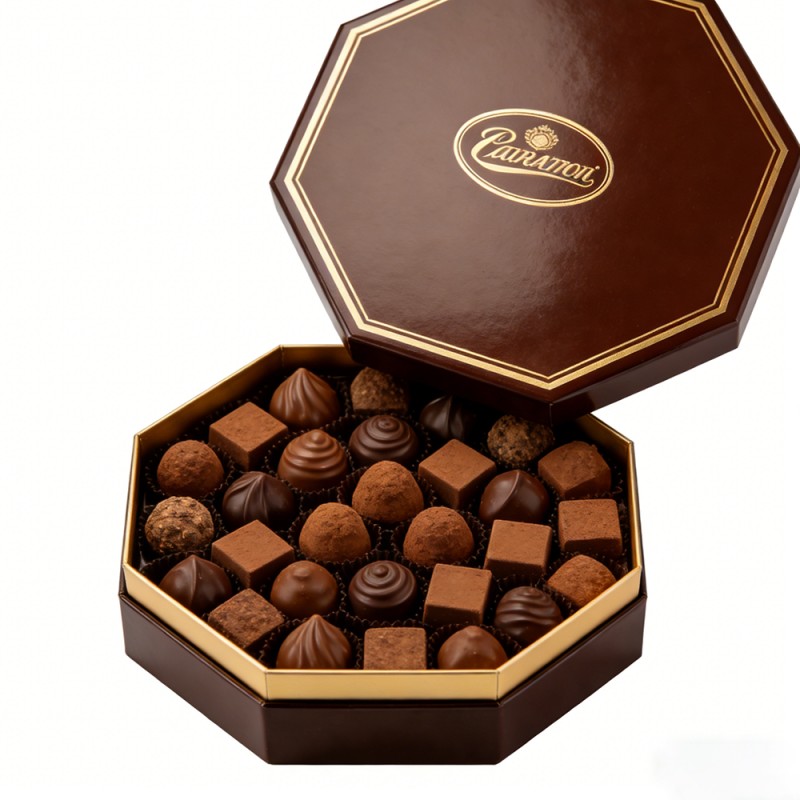
A QR code alone does not magically stop counterfeit products. Its real value comes from the verification system behind it. When designed properly, it creates a bridge between the physical chocolate box and the brand’s digital platform.
What Happens After the Scan?
Imagine a customer buying a beautifully packaged box of handmade chocolates. They notice a small message asking them to scan the QR code to verify authenticity.
After scanning, they reach an official brand page. The page may confirm the product, show the product name, provide a batch reference, and display other useful details.
That experience takes only a few seconds, but it can make the purchase feel much more trustworthy.
Unique Codes Add Another Layer
For stronger authentication, brands can use unique QR codes instead of printing the exact same code on every box. Each individual package can have a code linked to a specific record in a database.
This approach makes it easier to monitor products and identify unusual scanning activity. For example, if one code is repeatedly scanned from unexpected locations, the brand may be able to investigate whether that package has been copied or misused.
Authentication Can Also Become Marketing
Here is the fun part: verification does not have to end with “Product authentic.”
After confirming the chocolate, the same page can introduce the brand, explain ingredients, share serving suggestions, or tell the story behind the collection.
A premium chocolate company could even offer a small digital surprise, such as a tasting guide, recipe, loyalty reward, or invitation to join its community.
That turns Anti-Counterfeit Packaging into more than a defensive measure. It becomes another customer touchpoint.
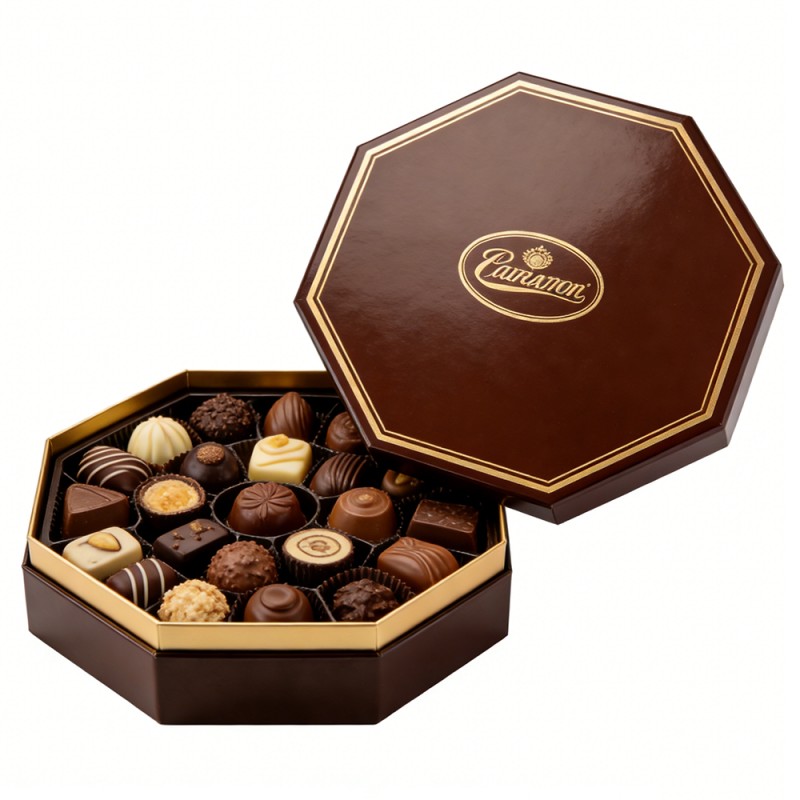
Small chocolate businesses often compete with much larger brands. Their advantage is usually craftsmanship, personality, and authenticity. Ironically, those qualities can also make their products attractive targets for imitation.
Protecting the Value of Handmade Chocolate
When customers pay more for artisan chocolate, they are not just buying cocoa and sugar. They are buying the brand’s reputation, recipes, craftsmanship, presentation, and story.
Custom packaging helps communicate that value. Adding QR verification can strengthen the message by giving customers a practical way to confirm that the product is genuine.
For an artisan chocolatier, the verification page could explain where the cocoa comes from, who made the chocolates, or what makes the collection different.
Luxury Packaging With a Smart Detail
Luxury packaging usually focuses on texture, typography, finishes, and structure. Embossing, foil stamping, magnetic closures, specialty papers, and custom inserts can create a memorable unboxing experience.
A QR code might seem less glamorous at first, but it can be incorporated discreetly. A small code on an inner card or beneath the lid can preserve the premium appearance while still providing digital verification.
This creates an interesting combination: traditional craftsmanship on the outside and modern technology behind it.
Corporate Chocolate Gifts
Corporate chocolate boxes can benefit from authentication technology too. Businesses often order large quantities of branded chocolates for clients, events, conferences, and holiday campaigns.
A QR-verified box can help recipients connect directly with the brand behind the gift. The scan could lead to a personalized landing page, company message, event information, or product verification.
In other words, the packaging becomes part of the communication strategy rather than simply a container.
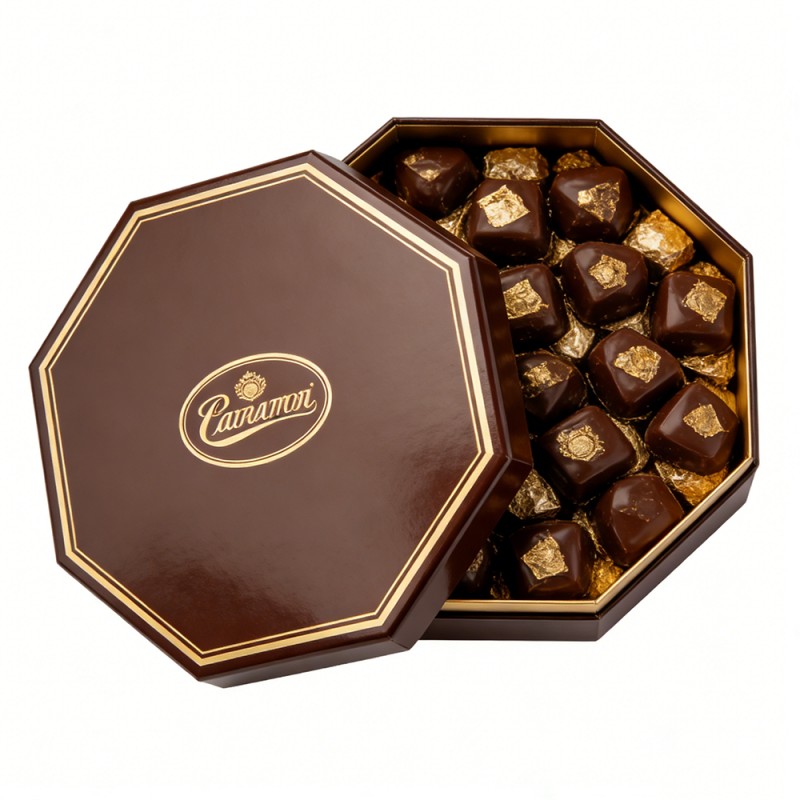
Good security should never make customers work too hard. If authentication requires multiple passwords, complicated forms, or long instructions, people will probably skip it. QR verification works best when the process feels almost effortless.
Keep the Instructions Simple
A short call-to-action is usually enough. Something like “Scan to Verify Authenticity” immediately tells customers what the code is for.
There is no need to fill the package with technical language. The goal is to make customers feel reassured, not confused.
Mobile-Friendly Verification Pages
The QR code should lead to a page designed for mobile screens. Customers are likely to scan the code with their phones, so the experience needs to load quickly and display important information clearly.
The page can show the brand logo, product name, authenticity status, and other relevant details. If customers have to zoom in, scroll through huge blocks of text, or wait for a slow website, the value of the QR code drops.
Add Helpful Product Information
Verification can also answer questions customers may already have. Depending on the product, the page could include ingredient information, allergen details, storage advice, expiration information, or product origin.
This is particularly useful for premium chocolates because customers often care about ingredients and sourcing.
The result is a packaging experience that feels useful rather than purely promotional. The customer scans because they want to verify the product, but they may discover much more about the chocolate along the way.
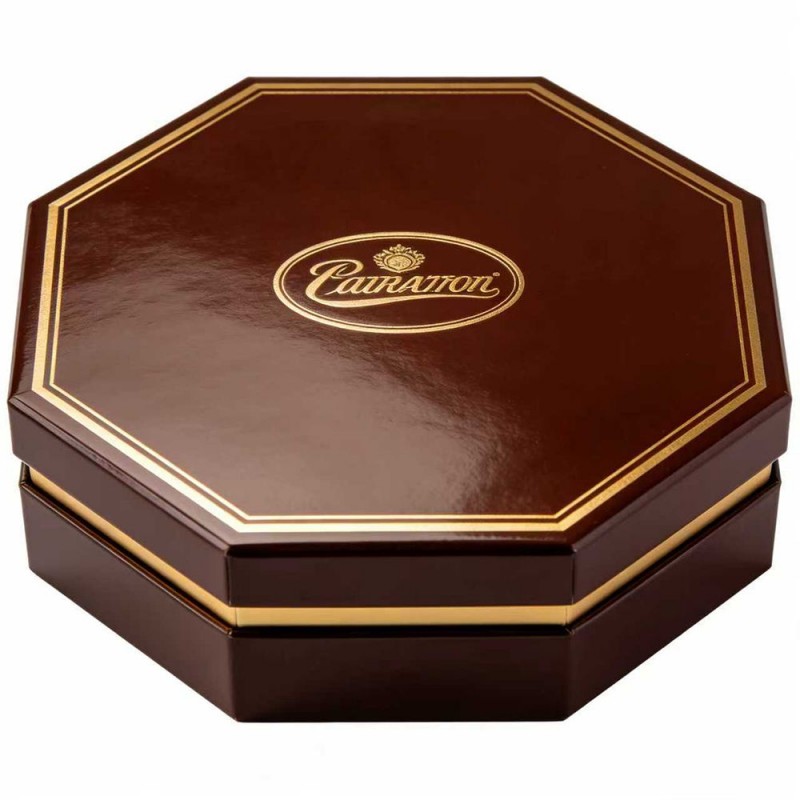
There is no single packaging solution that works for every chocolate company. A startup selling small batches may need something different from an established brand distributing products internationally.
Start With the Product and Sales Channel
Before choosing a QR system, brands should consider where the chocolate is sold. Direct-to-consumer products, retail products, subscription boxes, online orders, and corporate gifts may require different authentication strategies.
A brand selling directly through its website may use QR codes to connect customers to order records. A retail brand may focus more heavily on product verification and batch tracking.
Understanding the customer journey first makes the packaging decision much easier.
Think About Printing Quality
QR codes need to scan reliably. Packaging materials, printing methods, finishes, and code size can all affect performance.
Very glossy surfaces, unusual textures, low contrast, or extremely small codes may create scanning problems. Before mass production, brands should test the actual printed packaging with different smartphones and lighting conditions.
That small testing step can save a lot of trouble later.
Balance Security, Cost, and Appearance
Custom chocolate packaging has to balance several goals at once: protection, branding, production cost, usability, and security.
Fortunately, adding a QR code does not necessarily require an expensive structural change to the box. In many cases, it can simply be incorporated into the existing artwork.
For brands looking for stronger protection, QR verification can also be combined with other security features, such as serialized codes, tamper-evident seals, holographic elements, special inks, or hidden verification details.
The right combination depends on the level of risk and the value of the product.
Custom chocolate packaging has come a long way from simple printed cartons. Today, brands can combine attractive design, thoughtful structures, digital technology, and authentication features in one package.
QR verification offers a practical way to make that happen. A customer can scan a code, confirm the product, learn more about the chocolate, and interact with the brand—all from the same box.
For chocolate companies, the benefits can go beyond counterfeit protection. A well-planned QR system can support transparency, strengthen brand credibility, improve customer engagement, and make premium packaging feel even more valuable.
The key is not to add technology just because it sounds impressive. The QR code should have a clear purpose, work smoothly, and fit naturally into the overall packaging design.
When those elements come together, a custom chocolate box becomes more than attractive packaging. It becomes a small but powerful proof of authenticity—one scan at a time.
A QR code printed on a custom chocolate box can connect customers to an official verification page. After scanning it with a smartphone, customers may see the product name, batch information, authenticity status, or other brand details. This makes it easier to confirm that the chocolate comes from the genuine brand.
QR codes can make counterfeiting more difficult, especially when each package uses a unique code connected to a secure verification system. While no single feature can completely eliminate counterfeit products, QR-based Anti-Counterfeit Packaging provides an additional layer of protection and helps brands identify suspicious scanning activity.
Yes. QR codes can be integrated into many types of Custom Chocolate Boxes, including luxury gift boxes, chocolate sleeves, folding cartons, and specialty packaging. The code can be placed on the back, inside flap, bottom, or an insert card without taking attention away from the premium design.
The verification page can display much more than an authenticity message. Depending on the brand's needs, it may include product details, batch information, ingredients, sourcing information, storage instructions, tasting guides, brand stories, or special promotions. This makes QR-enabled Anti-Counterfeit Packaging useful for both security and customer engagement.
Absolutely. Small chocolatiers and artisan chocolate brands can use QR verification to build customer trust and highlight product authenticity. It can be especially useful for limited-edition collections, handmade chocolates, corporate gifts, and premium products where brand reputation and authenticity are important.
Post time: Sep-07-2026


