


What “Shelf-Ready” Really Means
When retailers receive a shipment, every minute matters. Traditional packaging often means opening a shipping case, removing inner cartons, rearranging individual products, and finally putting everything on the shelf. Shelf-ready chocolate gift boxes are designed to cut out much of that extra work. The outer case can be opened quickly and transformed into a clean retail display, so products move from warehouse to sales floor with fewer handling steps.
For chocolate brands, this approach is especially useful because presentation matters almost as much as the product itself. A gift box needs to look polished, organized, and ready for shoppers the moment it reaches the shelf. With a well-designed case-to-shelf system, the packaging becomes part of the merchandising strategy rather than simply a shipping container.
Why Retailers Like Case-to-Shelf Packaging
Retail staff usually have plenty to do, especially during holidays and promotional periods. Packaging that requires complicated setup can slow down restocking and create unnecessary labor.
A practical shelf-ready box can make the process much simpler:
- Open the outer case.
- Remove or fold away the designated section.
- Place the display directly on the shelf.
- Keep individual chocolate gift boxes organized and visible.
This simple workflow can make a noticeable difference when hundreds or thousands of units need to be stocked.
Turning Shipping Packaging Into a Display
The smartest designs serve two purposes at once. During transportation, the packaging protects the chocolates. Once it arrives in-store, the same structure becomes a retail display.
That means brands need to think about both sides of the journey. The case should be strong enough for distribution while still being easy for store employees to open. At the same time, the finished display should look intentional rather than like an ordinary shipping carton.
Easy Opening Without Sacrificing Strength
A shelf-ready case needs a balance between durability and convenience. If the box is too weak, it may become damaged during shipping. If it is too complicated, store employees may struggle to convert it into a display.
Perforated tear lines, scored folding areas, and clearly defined opening points can help. The goal is simple: employees should understand how the package works without needing a detailed instruction sheet.
Keeping Chocolate Gift Boxes Secure
Chocolate products can be surprisingly sensitive during transportation. Temperature changes, vibration, compression, and rough handling may affect both the product and its presentation.
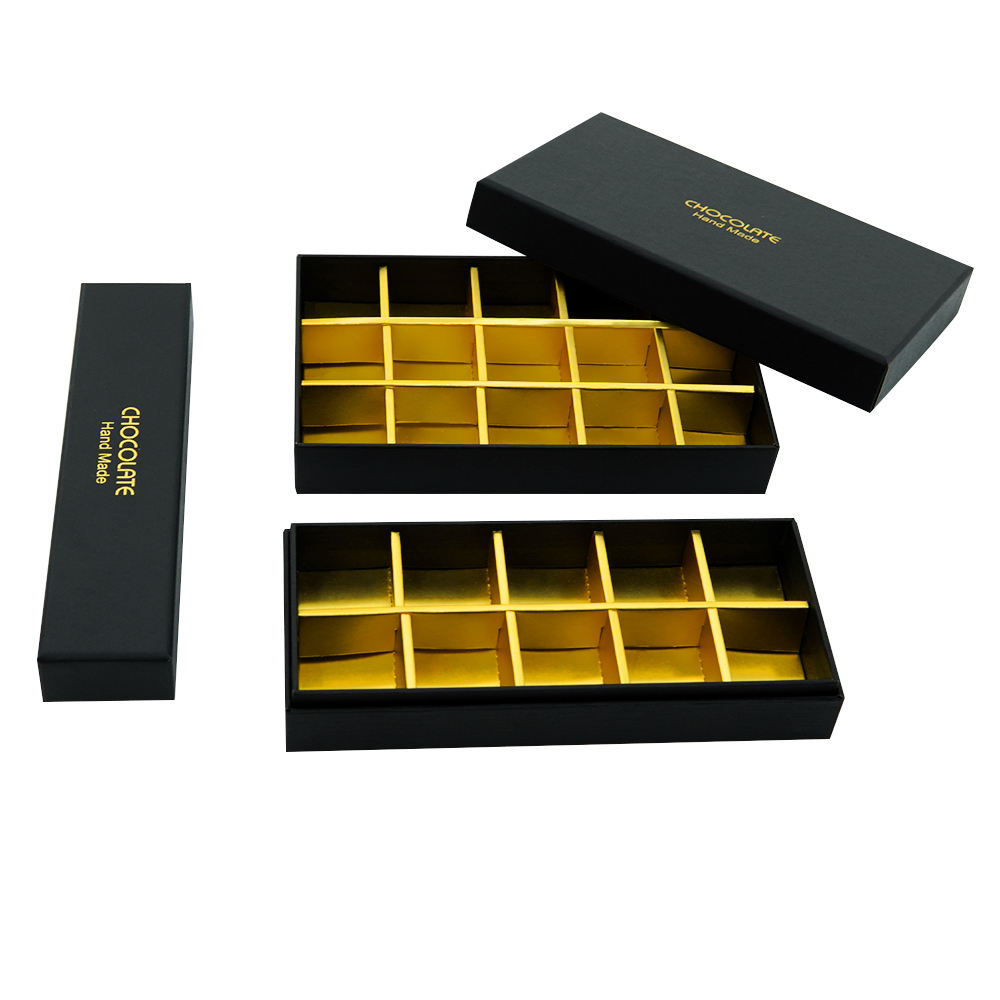
A good case-to-shelf structure can help keep each box in position. Internal dividers, fitted inserts, and properly sized compartments can reduce unnecessary movement. This is particularly important for premium chocolate gift boxes, where damaged corners or crushed packaging can hurt the perceived value of the product.
Making Restocking Less Complicated
Retailers do not want shelves that look messy after a busy shopping period. A well-planned display can make replenishment easier because the products naturally stay aligned.
Instead of manually arranging every chocolate box, staff can replenish several units quickly while keeping the front-facing presentation consistent.
Visibility Is Part of the Product
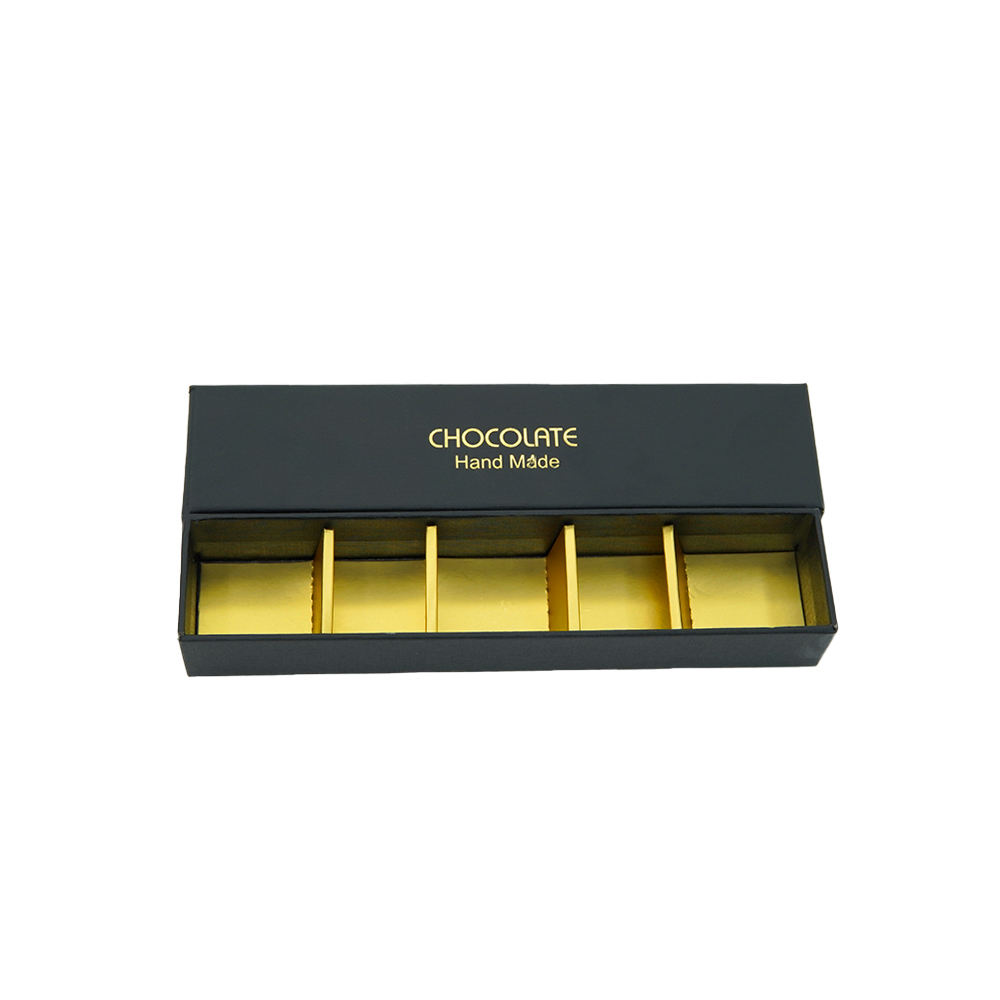
Packaging is often the first thing shoppers notice. Even before they read the product name, they see the colors, shape, graphics, and overall structure of the box.
For chocolate gift boxes, this creates an opportunity to communicate quality immediately. A clean front panel, recognizable branding, and attractive product photography can help shoppers understand what they are looking at from a few feet away.
Shelf-ready packaging should not hide the actual retail package. The display should support visibility rather than compete with it.
Using Height and Orientation Wisely
Shelf space is limited, particularly in supermarkets, department stores, specialty food shops, and seasonal displays. Packaging dimensions therefore deserve careful attention.
A good display can use vertical space efficiently while keeping the front of every product easy to see. Depending on the retail environment, brands may choose a single-row presentation, stacked arrangement, or stepped display.
The right configuration depends on product size, shelf depth, expected sales volume, and how shoppers interact with the category.
Creating a Consistent Brand Experience
Imagine seeing the same chocolate brand across several stores. If the packaging looks organized and consistent everywhere, shoppers are more likely to recognize it.
This is where case-to-shelf design can support brand consistency. The shipping case, display structure, and individual chocolate gift boxes can share the same visual language without making the outer carton overly complicated.
Holiday Chocolate Needs Faster Handling
Chocolate gifting is highly seasonal. Christmas, Valentine's Day, Easter, Mother's Day, birthdays, corporate gifting, and other occasions can create sharp increases in demand.
During these periods, retailers may need to restock shelves much more frequently. Shelf-ready chocolate gift boxes can help stores respond to higher traffic without adding unnecessary setup work.
For a seasonal launch, this can be particularly valuable. The display can arrive with the merchandise and go directly onto the sales floor with minimal preparation.
Promotional Displays Need Flexibility
Not every retail promotion lasts for months. Some campaigns may run for only a few weeks.
Packaging that supports quick setup and removal can be useful for temporary promotions. A case-to-shelf display can also be designed around a particular campaign, flavor collection, limited edition, or holiday theme.
This gives brands more freedom to experiment with short-term retail programs without creating an overly complicated merchandising process.
Supporting Premium Gift Positioning
Premium chocolates need packaging that feels special. A plain shipping carton may protect the product, but it rarely creates a premium shopping experience.
A carefully designed shelf-ready solution can bridge that gap. The outer structure remains practical for logistics while the individual gift boxes carry the visual and emotional appeal.
In other words, the packaging system can be efficient without making the product feel ordinary.
Reducing Unnecessary Packaging Steps
One of the biggest advantages of case-to-shelf packaging is workflow efficiency. Instead of treating transportation packaging and retail merchandising as completely separate stages, brands can combine them into one system.
That can reduce handling, simplify stocking, and potentially lower the amount of secondary packaging required.
However, efficiency should not mean simply using less material. The packaging still needs to protect the chocolate and maintain its appearance throughout the supply chain.
Smarter Material Selection
Paperboard and corrugated materials are common choices for chocolate packaging because they offer a useful combination of strength, printability, and flexibility.
Brands can consider recycled content, recyclable structures, material thickness, coatings, and printing methods when developing their packaging.
The right material depends on the product, shipping conditions, retailer requirements, and desired appearance. A premium chocolate gift box may require a different packaging specification than a high-volume seasonal assortment.
Designing Around the Supply Chain
Packaging works best when it is considered from the beginning of the supply chain rather than at the final stage.
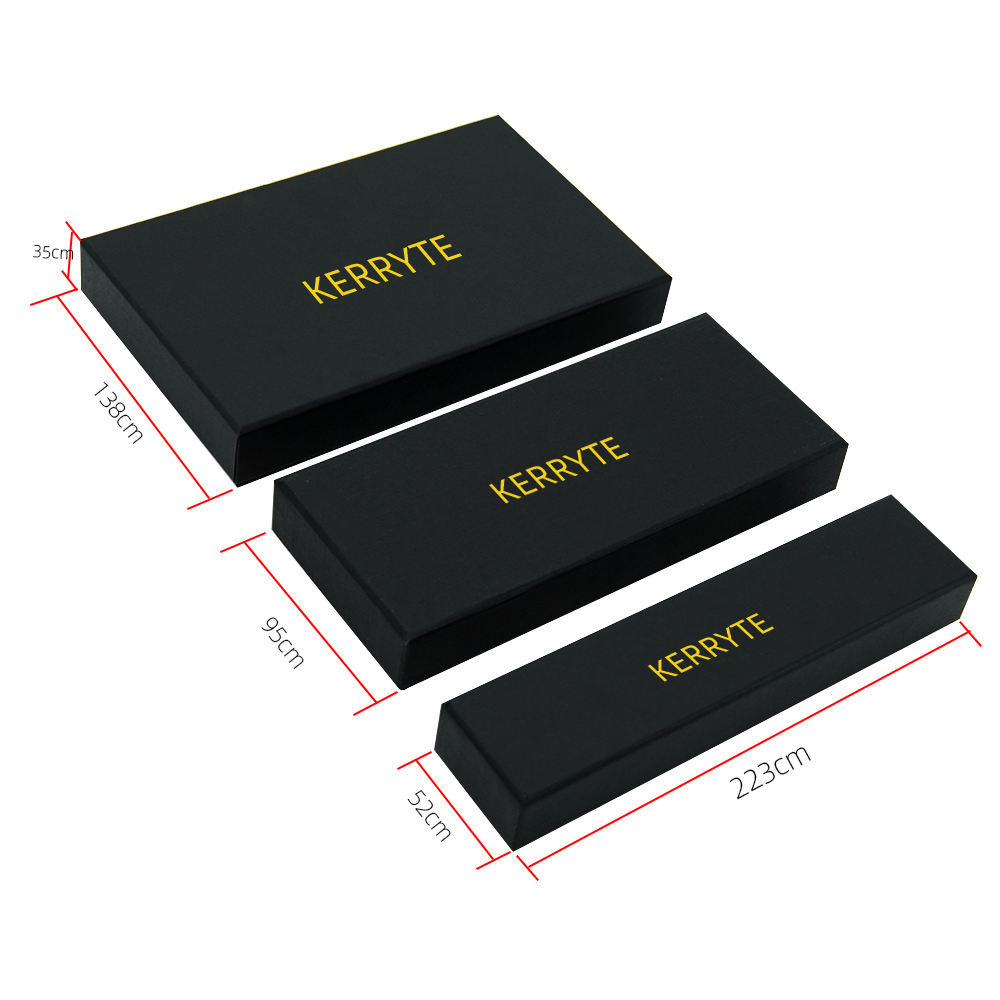
Dimensions should work with shipping cases, pallets, warehouse handling, retail shelves, and consumer expectations. Even small changes to box dimensions can influence how many units fit into a case or pallet.
That is why shelf-ready design is not just a graphic design exercise. It involves packaging engineering, logistics, merchandising, and retail practicality.
Customization Makes a Difference
There is no universal shelf-ready format that works for every chocolate product. A boutique chocolate company may need an elegant low-volume display, while a large confectionery brand may prioritize high-speed replenishment.
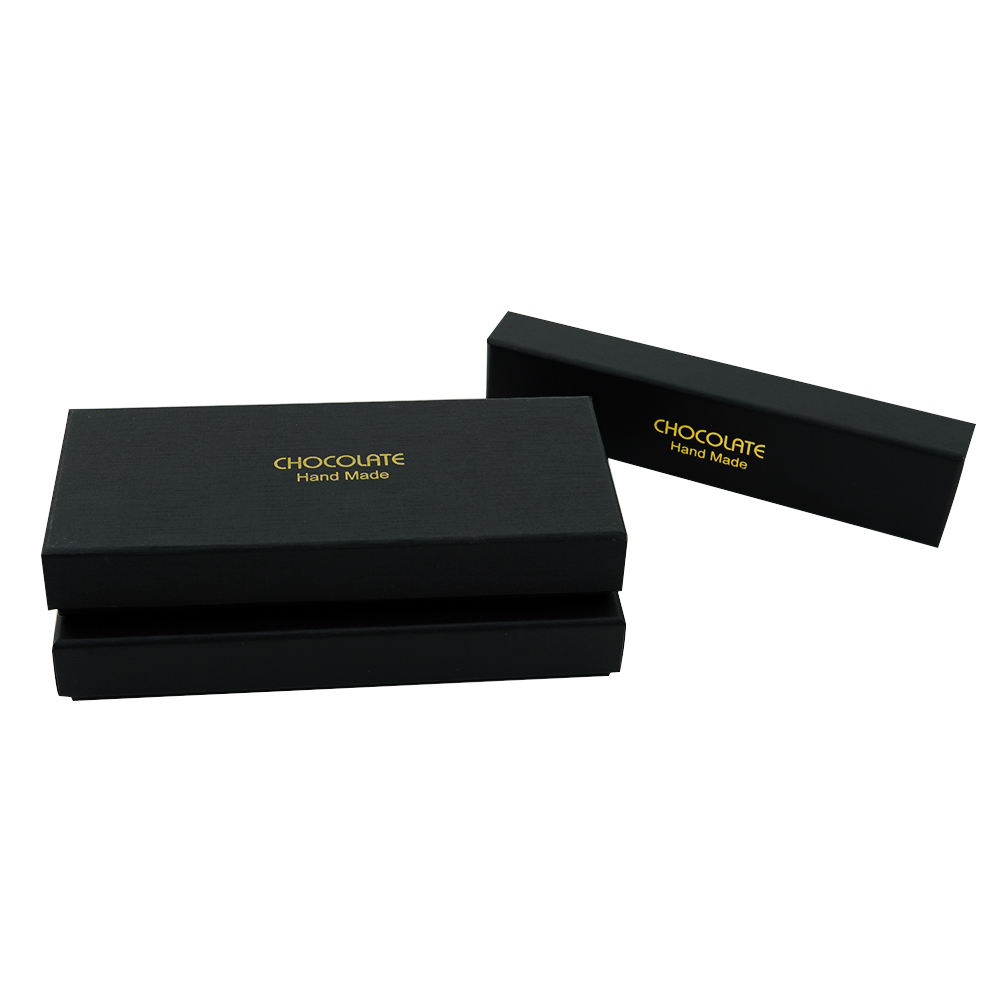
Custom packaging can address these different requirements. Brands can adjust dimensions, inserts, printing, opening methods, display orientation, and case quantities according to their specific products.
Balancing Cost and Presentation
Packaging budgets always matter. A beautiful structure that costs too much may not make sense for a mass-market product. On the other hand, cutting packaging costs too aggressively can affect product protection and shelf appeal.
The practical approach is to identify which packaging elements have the biggest impact on the customer and retailer experience.
For example, a brand may invest more in the visible gift box while keeping the shipping structure simple and functional.
Designing for Real-World Retail Conditions
A packaging concept can look excellent in a design file and still fail in an actual store.
Before production, brands should consider questions such as:
- Can a store employee open it quickly?
- Does the display remain stable after opening?
- Are the products easy to see?
- Can shoppers pick up one box without disturbing the others?
- Does the packaging survive normal transportation?
- Can the display be replenished without losing its shape?
Testing these details early can prevent expensive packaging changes later.
Shelf-ready Chocolate Gift Boxes can help brands combine transportation protection, retail efficiency, and attractive merchandising in one packaging system. Instead of treating the shipping case as something that disappears after delivery, brands can turn it into part of the retail experience.
For chocolate manufacturers and gift box suppliers, the key is finding the right balance between strength, convenience, visual appeal, cost, and customization. When those elements work together, a case-to-shelf solution can save handling time while keeping the products looking organized and gift-ready.
Ultimately, successful shelf-ready packaging is about making life easier for everyone involved—from the warehouse team and store employees to the shopper standing in front of the shelf. And for chocolate gift boxes, that smooth journey can make a surprisingly big difference.
Shelf-ready Chocolate Gift Boxes are designed to move efficiently from shipping case to retail shelf. The outer case can often be opened, folded, or converted into a display with minimal handling. This helps retailers save stocking time while keeping chocolate products organized and visible.
Case-to-shelf Chocolate Gift Boxes can simplify the stocking process by reducing the number of steps required to move products from the warehouse to the sales floor. Retail employees can quickly open the case and place the display on the shelf, which can be especially helpful during busy holiday and seasonal sales periods.
Yes. Chocolate Gift Boxes can be customized in terms of size, shape, printing, materials, inserts, case quantity, and display configuration. Brands can develop packaging based on specific shelf dimensions, product sizes, branding requirements, and retail conditions.
Paperboard and corrugated materials are commonly used because they can provide a good balance of strength, printability, and flexibility. The ideal material depends on factors such as product weight, shipping conditions, shelf presentation, sustainability goals, and the level of protection required for the chocolate.
Well-designed Chocolate Gift Boxes can keep products neatly arranged, easy to see, and simple for shoppers to pick up. Attractive graphics and consistent branding can also make the products stand out on the shelf. When the display is both practical and visually appealing, it supports a smoother experience for retailers and customers alike.
Post time: Sep-21-2026


