


The Psychology of Sweet Box Packaging Design
Why Packaging Matters More Than Ever
In today’s competitive retail landscape, packaging plays a critical role in shaping consumer decisions. A well-designed sweet box is not just a container—it is a silent salesperson that communicates value, quality, and brand identity. When customers encounter a product for the first time, their perception is often formed within seconds, largely influenced by its packaging.
Emotional Triggers in Packaging
Human purchasing behavior is deeply emotional. A thoughtfully designed sweet box can evoke feelings of nostalgia, happiness, or indulgence. For confectionery products especially, packaging must appeal to both visual and emotional senses, creating a connection before the product is even tasted. This psychological engagement is what transforms casual browsers into loyal customers.
The Influence of Color on Buying Behavior
Color is one of the most powerful tools in packaging design. Different colors evoke different emotions, and brands can leverage this to influence purchasing decisions. For example, warm tones like red and orange can stimulate appetite and excitement, making them ideal for sweet box packaging. Meanwhile, pastel shades often convey softness, elegance, and premium quality.
Aligning Colors with Brand Identity
Consistency in color usage helps build brand recognition. A sweet box designed with a cohesive color palette reinforces trust and familiarity among consumers. For instance, gold and black combinations often suggest luxury, while bright, playful colors may target younger audiences or festive occasions. Choosing the right palette ensures that the packaging resonates with the intended market segment.
Unique Shapes Capture Attention
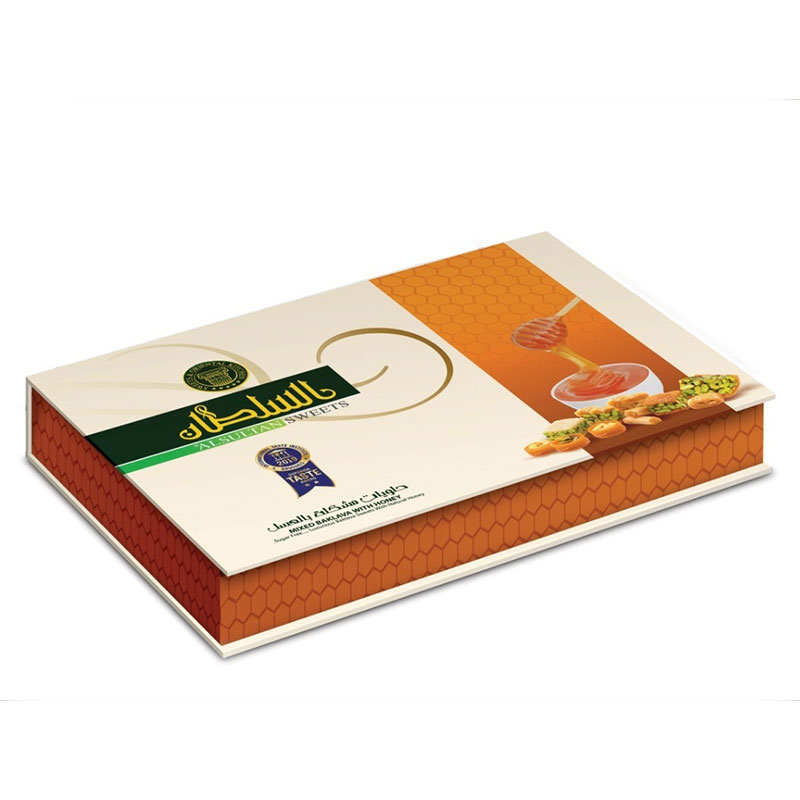
In crowded retail environments, shape can be a decisive factor. A uniquely structured sweet box stands out among conventional designs and draws immediate attention. Whether it’s a hexagonal box, a drawer-style package, or a windowed display, innovative shapes create curiosity and encourage interaction.
Functionality Meets Aesthetics
While visual appeal is important, practicality should not be overlooked. A well-designed sweet box should be easy to open, store, and reuse. Functional packaging enhances user experience, which in turn strengthens positive brand perception. When customers find a package convenient and attractive, they are more likely to remember and recommend the product.
The Power of Touch and Texture
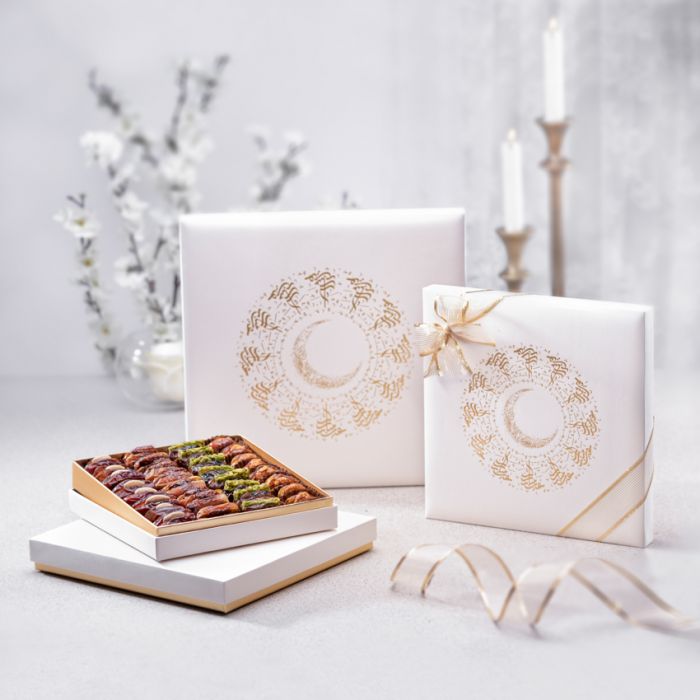
Packaging is not only visual—it is also tactile. The texture of a sweet box can significantly influence how consumers perceive the product inside. Smooth matte finishes, embossed patterns, or soft-touch coatings can elevate the perceived value and create a premium feel.
Sustainable Materials and Consumer Trust
Modern consumers are increasingly conscious of environmental impact. Using eco-friendly materials in sweet box packaging not only reduces environmental footprint but also builds trust and credibility. Brands that adopt sustainable practices often gain a competitive edge, as customers prefer products that align with their values.
Creating a Memorable Brand Story
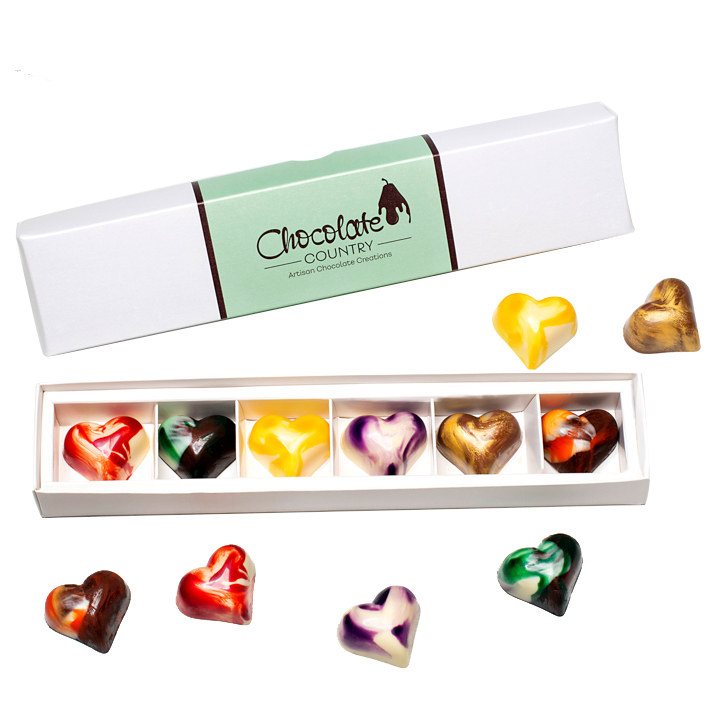
Every sweet box has the potential to tell a story. Through typography, imagery, and design elements, brands can communicate their heritage, craftsmanship, and values. A compelling narrative enhances emotional engagement and differentiates the product from competitors.
Consistency Across Packaging Lines
Consistency in design elements such as logos, fonts, and colors ensures a cohesive brand identity. When consumers can easily recognize a brand across different products, it strengthens brand loyalty. A well-branded sweet box becomes more than packaging—it becomes part of the overall brand experience.
Minimalist Luxury Designs
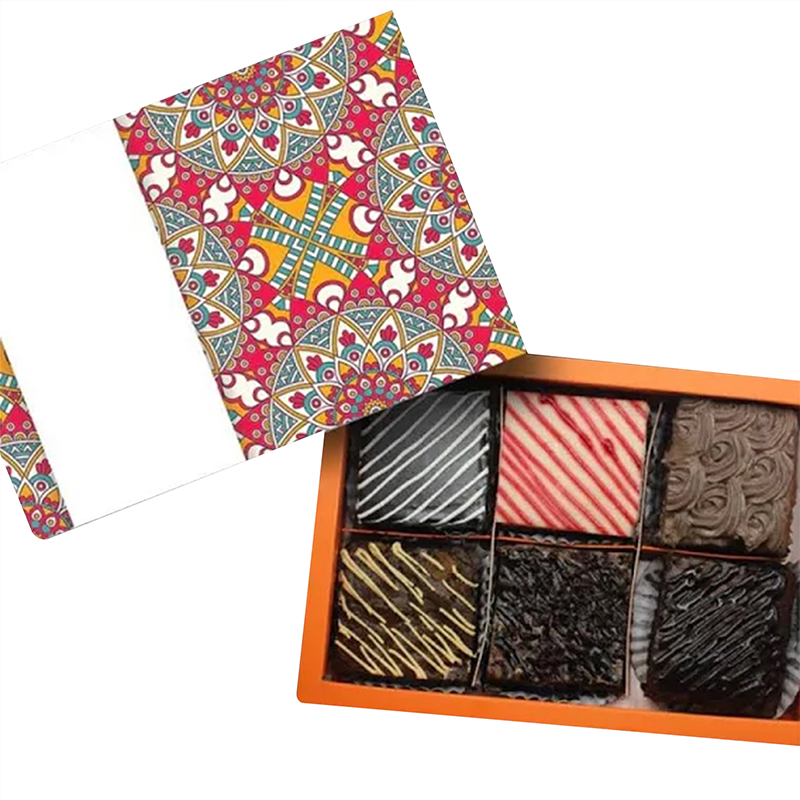
Many premium confectionery brands adopt minimalist packaging with subtle colors and clean layouts. This approach conveys sophistication and exclusivity, appealing to high-end consumers who value elegance over extravagance.
Festive and Seasonal Packaging
Seasonal designs are another effective strategy. Sweet boxes created for holidays or special occasions often feature vibrant colors, thematic graphics, and limited-edition elements. These designs create urgency and encourage impulse purchases, boosting sales during peak seasons.
The main pro is the convenience factor. In this way, you can order your cups together with the other supplies. However, their prices might not be the lowest, and custom options are often limited. Check out catalogs for ULINE and other big B2B suppliers to get very different prints.
Manufacturer Direct
If you require in the higher volume’s portion, then coming and buying directly from the paper cup manufacturer is the best choice while not neglecting quality. This is your best bet to get the lowest cost pricing and you can select every element of the cup – type of paperboard, thickness, what type lining.
But, sometimes the MOQ is too high. Many manufacturers require a minimum order of 10,000, 50,000 or more. This kind of way earns sense for larger chains, or even to get a sequence with a high volume.
The Use of Custom Design
Custom print it to market your cup wherever you are! It is one of the most cost effective means of advertising that you can ever have. With each passerby who sees your customers carrying those drinks, they also see your customers’ names and logos.
A lot of suppliers specialize in custom branding. For businesses looking to craft an individual brand identity, it would be great to assess custom solutions. A competent shall guide you all through, starting at creating the design, to approving the final product.
The psychology behind sweet box packaging design is a powerful tool that brands cannot afford to ignore. By understanding how color, shape, material, and storytelling influence consumer behavior, businesses can create packaging that not only attracts attention but also builds lasting connections. As consumer expectations continue to evolve, the integration of psychological principles with innovative design will remain essential. Brands that invest in thoughtful, user-centered packaging will be better positioned to stand out in the market and drive long-term success.
An effective sweet box packaging design combines visual appeal, functionality, and emotional engagement. Elements like color, typography, and structure should align with the brand identity while also attracting the target audience. A successful design not only protects the product but also creates a memorable unboxing experience that encourages repeat purchases.
Color psychology plays a crucial role in shaping consumer perception. Warm colors like red and orange can stimulate appetite and excitement, while softer tones such as pastel pink or cream can evoke elegance and sweetness. Choosing the right color palette for a sweet box helps communicate the brand message and influences buying decisions.
The shape of a sweet box can significantly impact how consumers perceive and interact with the product. Unique and creative shapes stand out on shelves and capture attention quickly. At the same time, practical designs that are easy to open and reuse enhance user experience, making customers more likely to remember the brand.
Yes, sustainability has become a key factor in modern consumer behavior. Using eco-friendly materials in sweet box packaging not only reduces environmental impact but also builds trust with environmentally conscious customers. Brands that prioritize sustainable packaging often gain a competitive advantage in the market.
Brands can use sweet box packaging as a storytelling tool to build emotional connections with customers. Consistent design elements, personalized features, and high-quality materials all contribute to a positive brand experience. When customers feel a connection through packaging, they are more likely to become repeat buyers and recommend the product to others.
Post time: Apr-17-2026


