


Sweet Box Packaging as a Strategic Branding Tool
Building a Strong First Impression
In today’s highly competitive marketplace, packaging is no longer just a protective layer—it is a strategic asset. A well-designed sweet box can immediately capture attention and communicate value before a customer even tastes the product. First impressions matter, especially in industries like confectionery where visual appeal heavily influences purchasing decisions.
Communicating Brand Identity Through Packaging
A thoughtfully crafted sweet box reflects a brand’s identity, from its logo and typography to its color palette and materials. Whether a brand positions itself as premium, eco-friendly, or playful, packaging acts as a silent ambassador. Consistency in packaging design helps reinforce brand recognition and builds trust over time.
Emotional Connection and Customer Loyalty
Packaging has the power to evoke emotions. A luxurious sweet box can create a sense of indulgence, while a minimalist design may convey sophistication. When customers feel emotionally connected to packaging, they are more likely to remember the brand and become repeat buyers.
The Power of Colors and Graphics
Color psychology plays a critical role in packaging design. Bright and vibrant tones can make a sweet box feel fun and energetic, while muted tones may signal elegance and quality. Strategic use of graphics, patterns, and illustrations can further enhance visual appeal and make products stand out on crowded shelves.
Unique Shapes and Structural Innovation
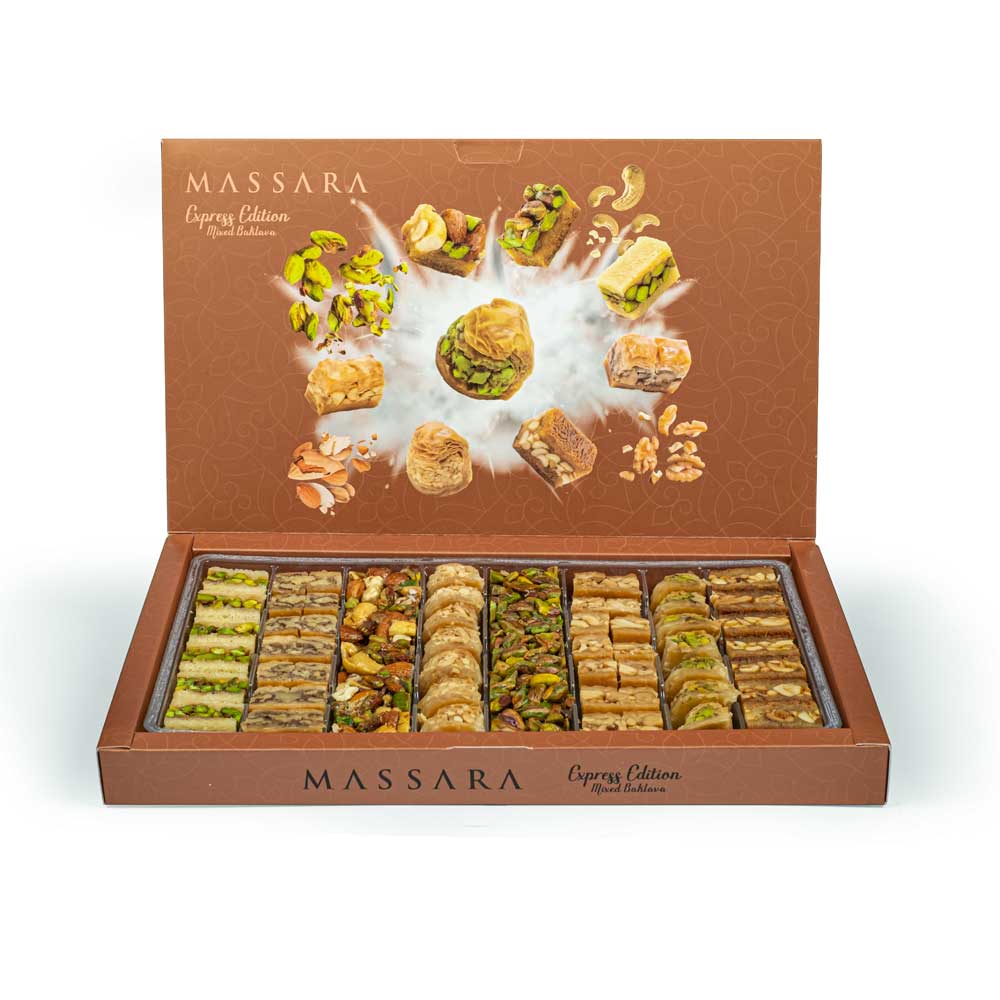
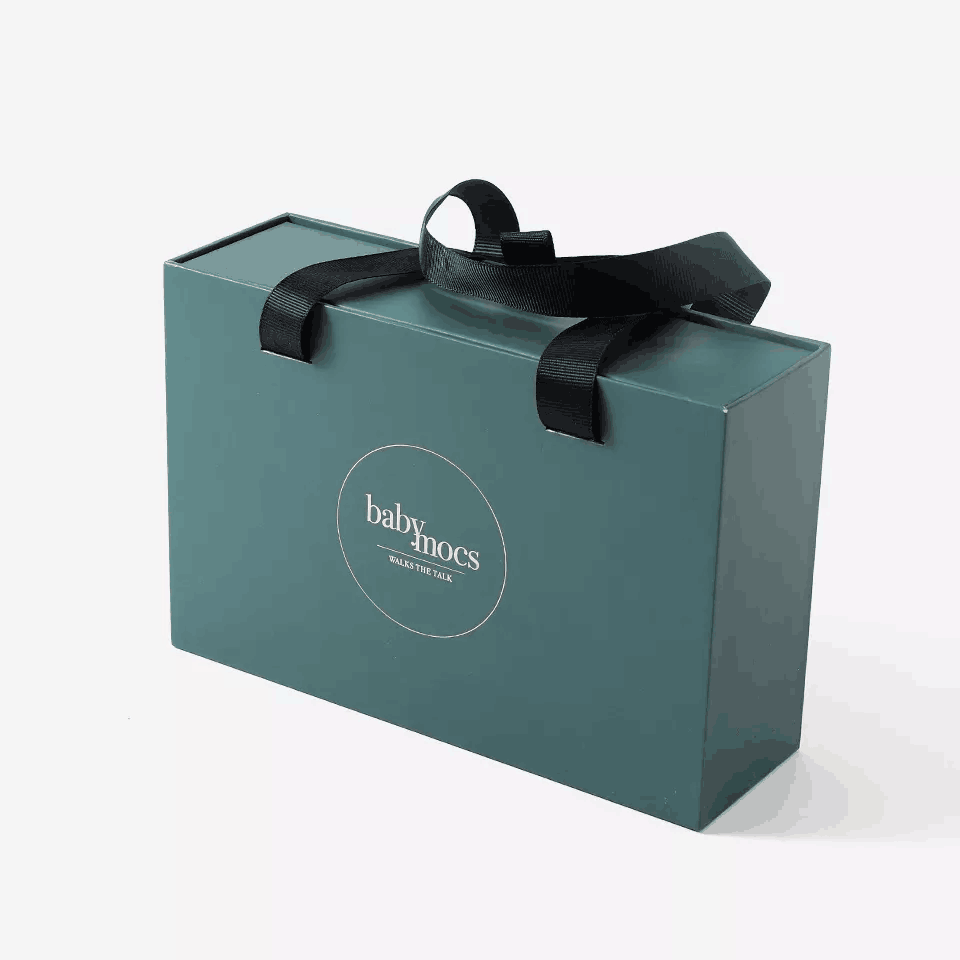
Beyond visuals, the physical structure of a sweet box can significantly influence consumer perception. Innovative shapes—such as magnetic closure boxes, drawer-style packaging, or window cut-outs—add an element of surprise and functionality. These features not only improve user experience but also make the packaging more memorable.
Typography and Messaging
Clear and engaging typography ensures that essential information is easily readable while reinforcing the brand’s voice. Messaging on a sweet box should be concise yet impactful, highlighting key selling points such as quality ingredients, handmade craftsmanship, or sustainability.
Understanding Consumer Preferences
Effective packaging begins with understanding the target audience. For instance, a sweet box designed for children might feature bold colors and cartoon-style graphics, while packaging for corporate gifting may lean toward elegant and minimalist designs.
Cultural and Seasonal Customization
Customization is a powerful way to connect with consumers. Sweet boxes tailored for holidays, festivals, or cultural events can significantly boost sales. Seasonal packaging not only creates urgency but also enhances the perceived value of the product.
Personalization Trends
Modern consumers appreciate personalization. Adding custom messages, names, or limited-edition designs to a sweet box can create a unique customer experience. This approach is particularly effective for gifting purposes, where packaging becomes part of the emotional exchange.
The Rise of Eco-Friendly Packaging
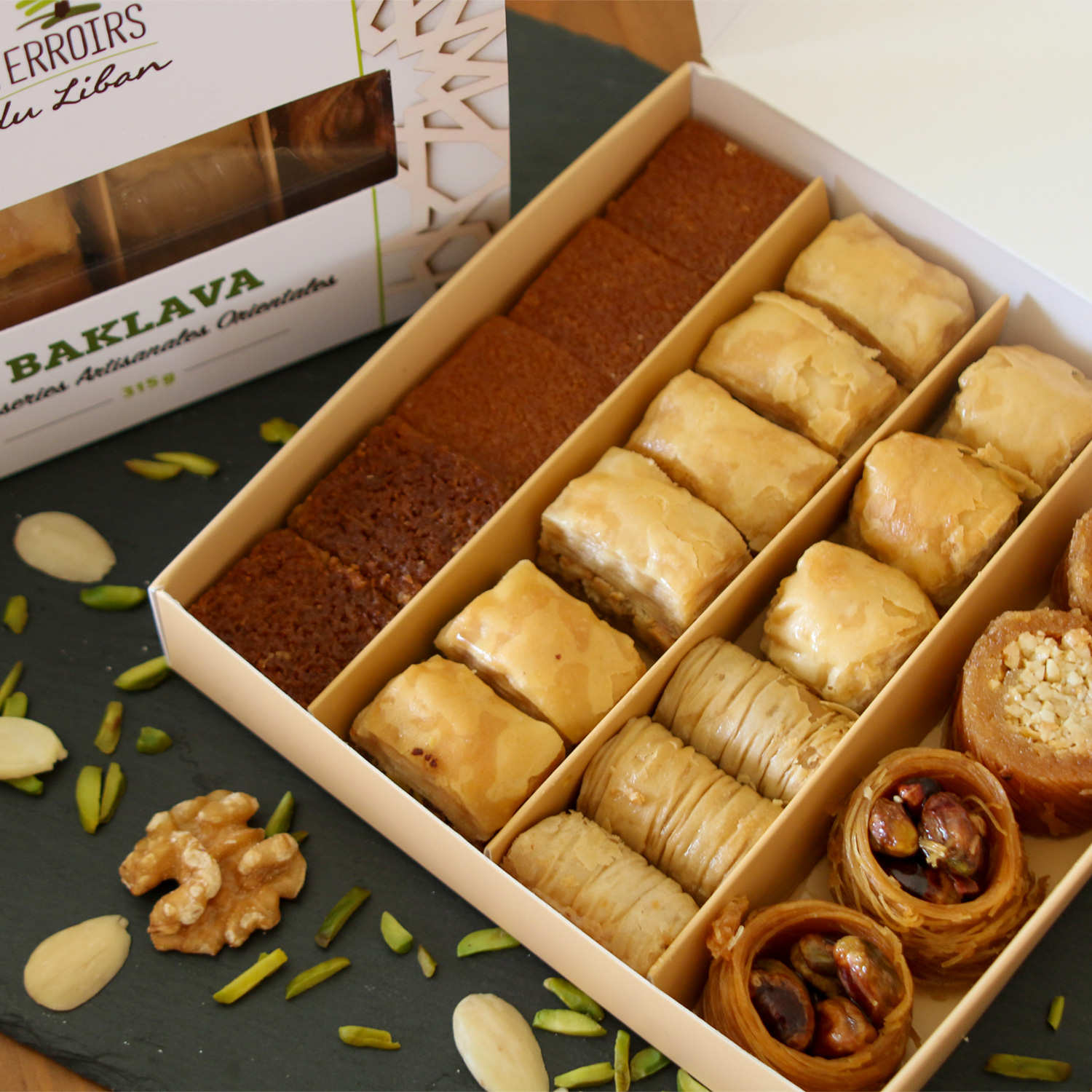
Sustainability is no longer optional—it’s a necessity. Consumers are increasingly drawn to brands that prioritize environmentally friendly practices. Using recyclable materials, biodegradable coatings, and minimalistic designs can make a sweet box more appealing to eco-conscious buyers.
Balancing Aesthetics and Responsibility
Brands often face the challenge of maintaining visual appeal while reducing environmental impact. However, innovative materials and printing techniques now allow companies to create beautiful yet sustainable sweet boxes without compromising quality.
Enhancing Brand Reputation Through Sustainability
Eco-friendly packaging not only benefits the environment but also strengthens brand reputation. Companies that adopt sustainable sweet box solutions are more likely to gain customer trust and stand out in a competitive market.
Packaging as a Silent Salesperson
A well-designed sweet box can influence purchasing decisions at the point of sale. It acts as a silent salesperson, conveying quality and value without the need for additional marketing. Eye-catching packaging can significantly increase impulse purchases.
Social Media and Shareability
In the digital age, packaging plays a key role in social media marketing. Attractive sweet boxes are more likely to be shared on platforms like Instagram and TikTok, providing free exposure and boosting brand visibility.
Enhancing Unboxing Experience
The unboxing experience has become a critical part of customer satisfaction. A thoughtfully designed sweet box with layered packaging, inserts, or personalized notes can turn a simple purchase into a memorable experience, encouraging positive reviews and repeat business.
Case Study: Visual Rebranding Success
Many brands have successfully increased their market share by redesigning their packaging. For example, a confectionery brand that introduced vibrant colors and playful illustrations in its sweet box packaging managed to attract a younger demographic and boost sales.
Premium Packaging for High-End Markets
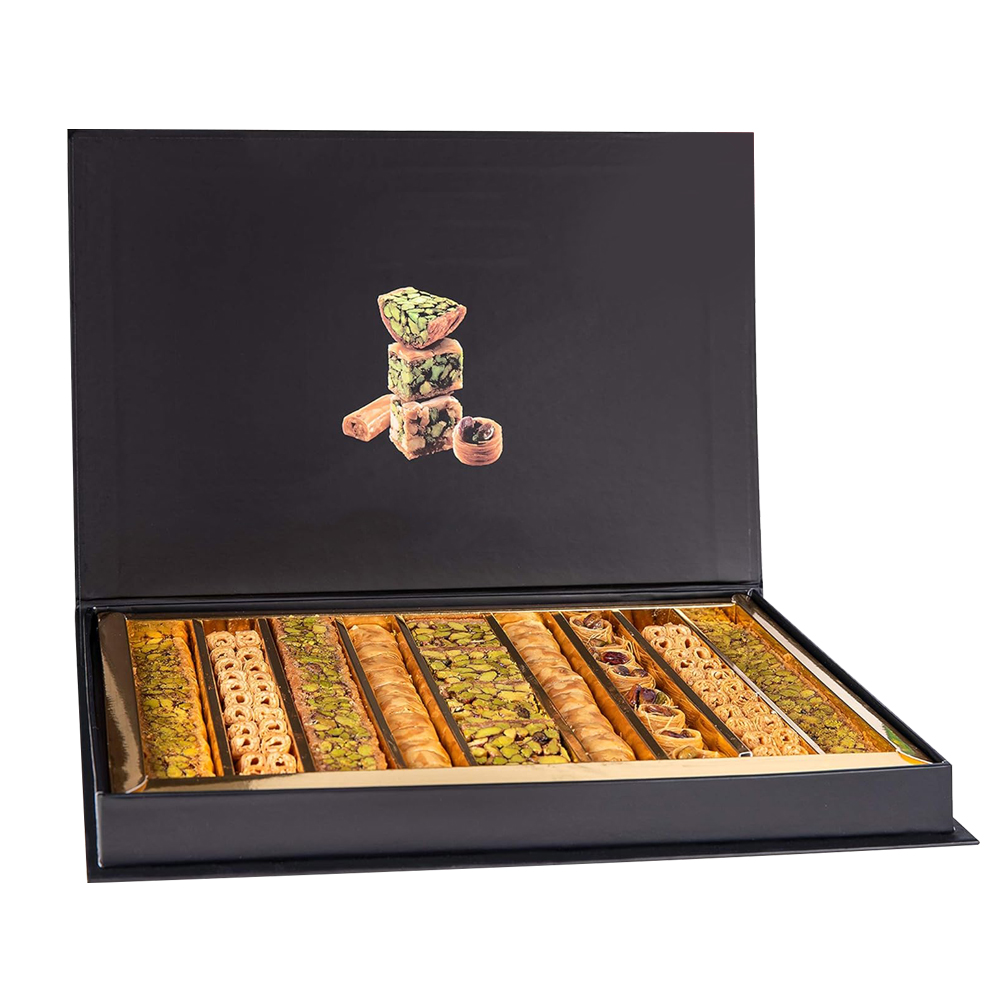
Luxury brands often use high-quality materials such as rigid boxes, embossing, and foil stamping to create a premium feel. These elements elevate the perceived value of the product and justify higher price points.
Continuous Innovation and Adaptation
The most successful brands continuously evolve their packaging strategies. By staying updated with design trends and consumer preferences, companies can ensure their sweet box packaging remains relevant and competitive.
Sweet box packaging is far more than a functional necessity—it is a powerful tool for differentiation and brand growth. By focusing on strong visual identity, aligning with target audiences, embracing sustainability, and leveraging packaging as a marketing asset, brands can significantly enhance their market competitiveness. As consumer expectations continue to evolve, innovative and thoughtful sweet box design will remain a key driver of success in the confectionery industry.
An effective sweet box combines visual appeal with clear brand messaging. Elements such as eye-catching colors, unique shapes, and high-quality materials help grab attention, while consistent branding builds trust. A well-designed package should not only look attractive but also reflect the product’s quality and purpose.
A sweet box serves as a visual extension of a brand. By using consistent colors, logos, and design elements, businesses can reinforce their identity and make their products more recognizable. Over time, this consistency helps customers associate the packaging with the brand’s values and quality.
Sustainable packaging is increasingly important because consumers are more environmentally conscious. Using recyclable or biodegradable materials in a sweet box not only reduces environmental impact but also enhances brand reputation. It shows responsibility and can influence purchasing decisions in a positive way.
Packaging often acts as the first point of interaction between the product and the consumer. A visually appealing sweet box can create curiosity and encourage impulse buying. Additionally, features like easy opening, durability, and attractive presentation can enhance the overall customer experience.
Yes, customized sweet box packaging can significantly boost sales. Personalized designs, seasonal themes, and unique packaging structures make products more appealing, especially for gifting purposes. Customization also helps brands stand out in a crowded market, increasing both visibility and customer engagement.
Post time: Apr-15-2026


