


Sweet Box Packaging and Shelf Appeal in Supermarkets
The Importance of First Impressions
In a competitive retail environment, a sweet box must instantly capture attention. Supermarket shelves are crowded with similar products, making visual differentiation essential. Packaging acts as the silent salesperson, communicating brand identity within seconds. A well-designed sweet box with vibrant colors, refined typography, and balanced layout can create an immediate emotional connection with shoppers.
Designing for Visibility
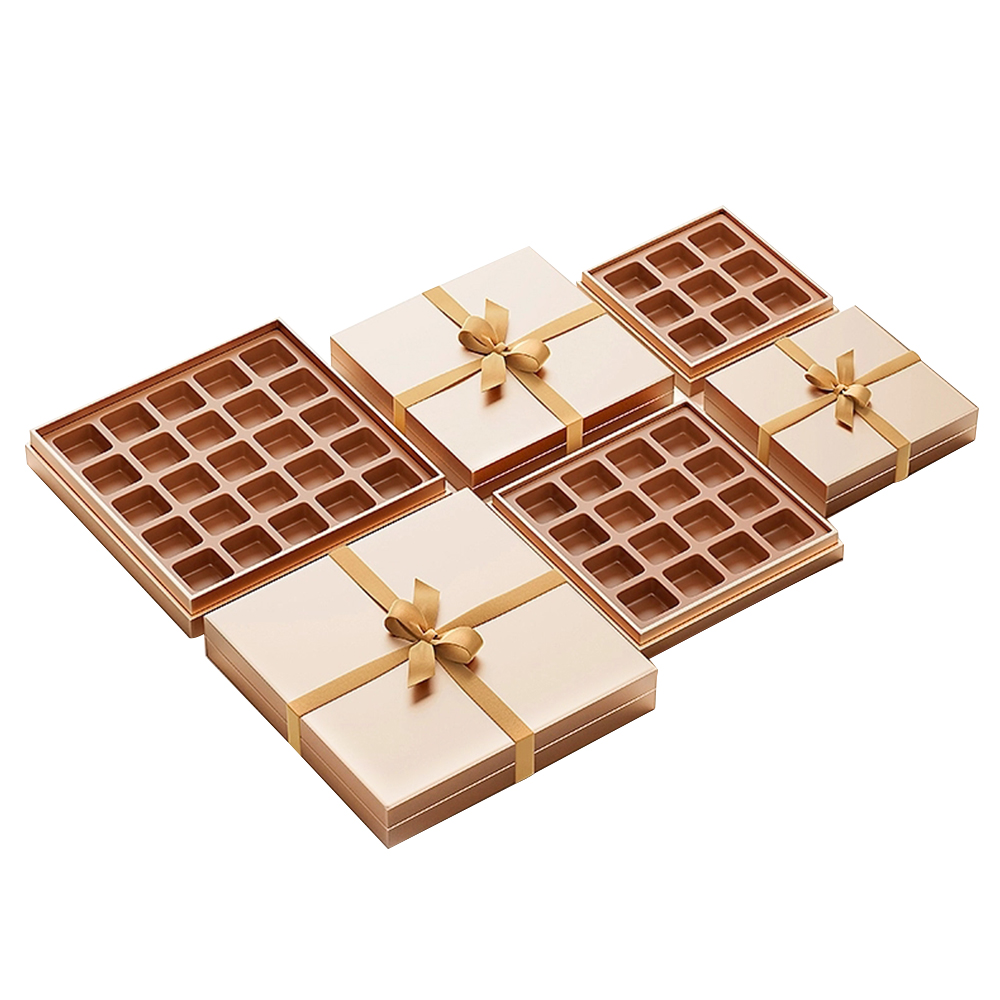
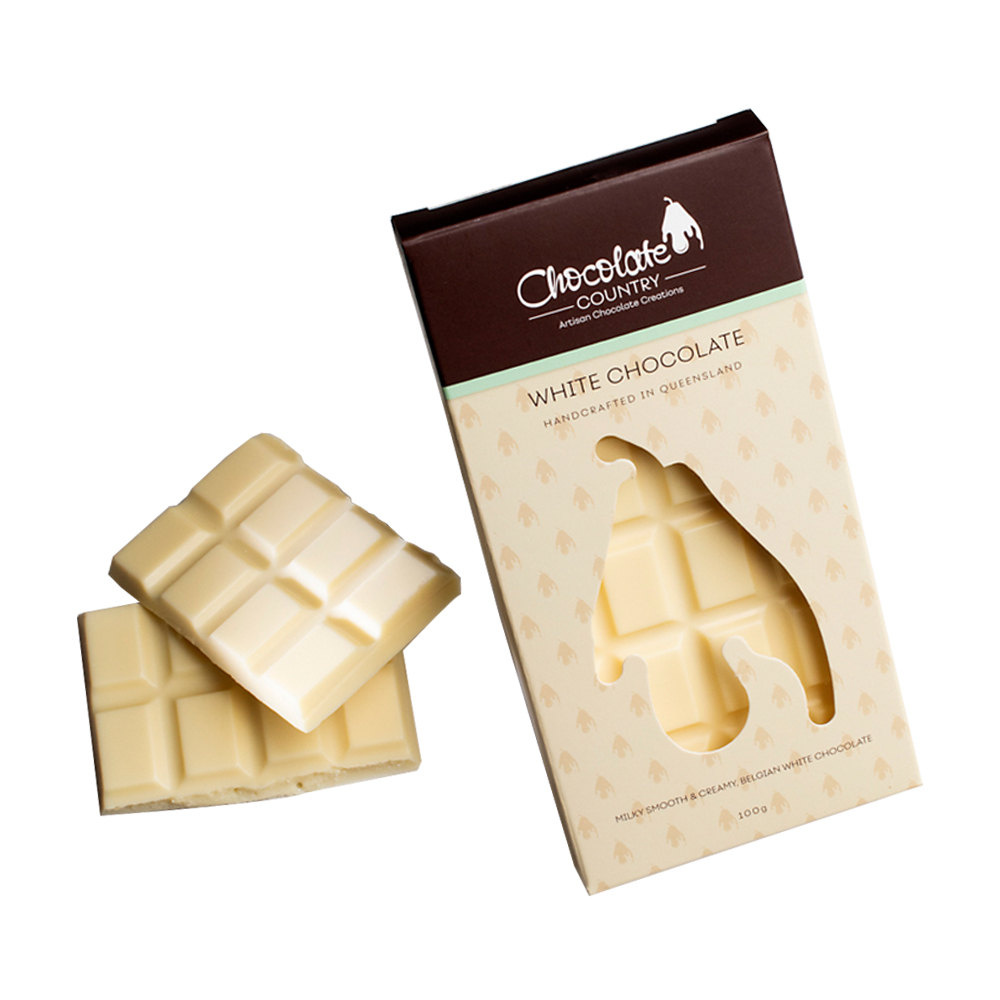
Strategic use of contrast, color blocking, and creative structure helps a sweet box stand out. For example, pastel tones may evoke softness and elegance, while bold hues can suggest excitement and indulgence. Unique shapes—such as hexagonal or window-cut designs—also break the monotony of standard rectangular boxes, increasing the chances of grabbing consumer attention.
Emotional Triggers in Packaging
Consumers rarely make purely rational decisions in supermarkets. A thoughtfully designed sweet box can evoke nostalgia, celebration, or comfort. Elements such as imagery of ingredients, festive patterns, or minimalistic luxury designs all influence how customers perceive the product.
Communicating Value and Quality
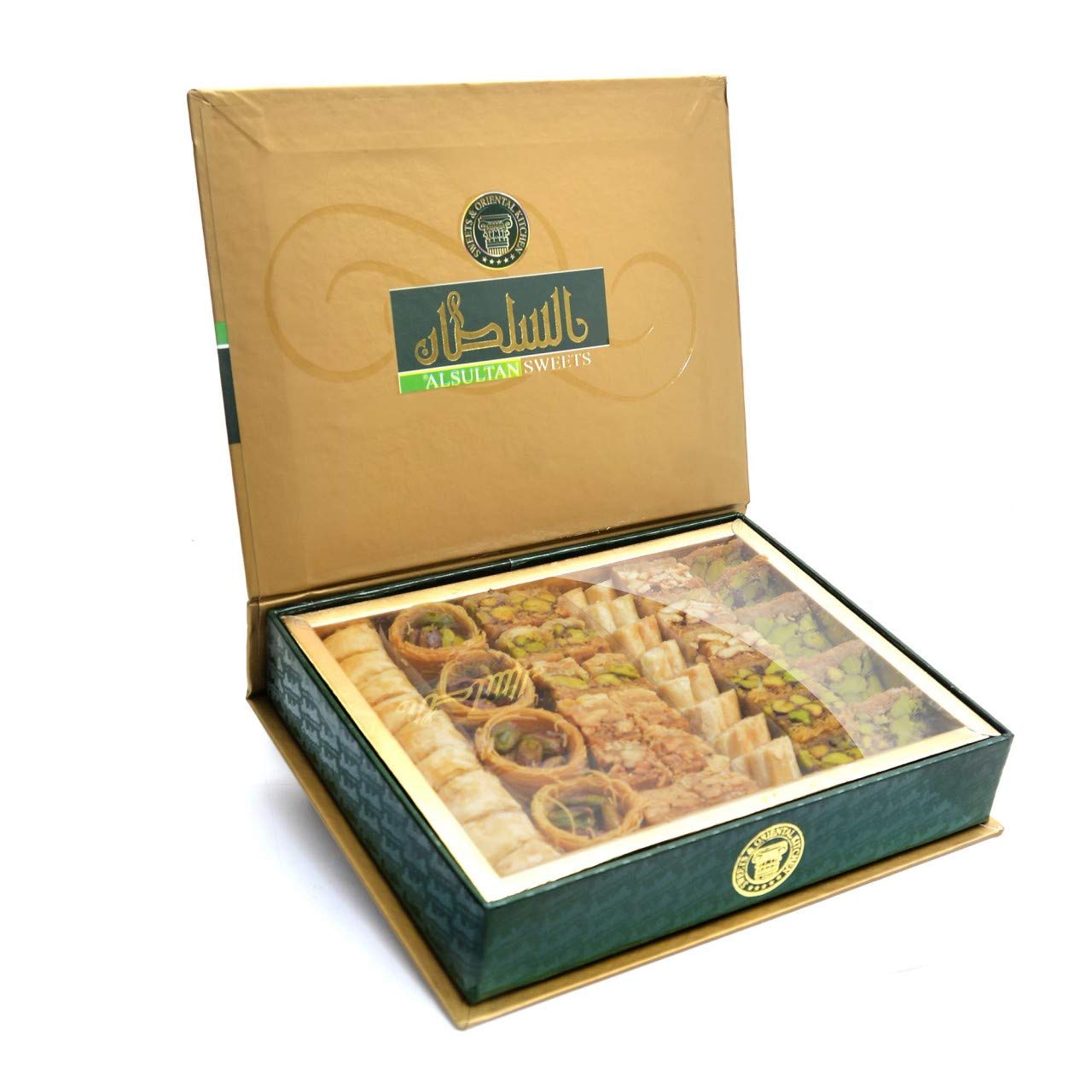
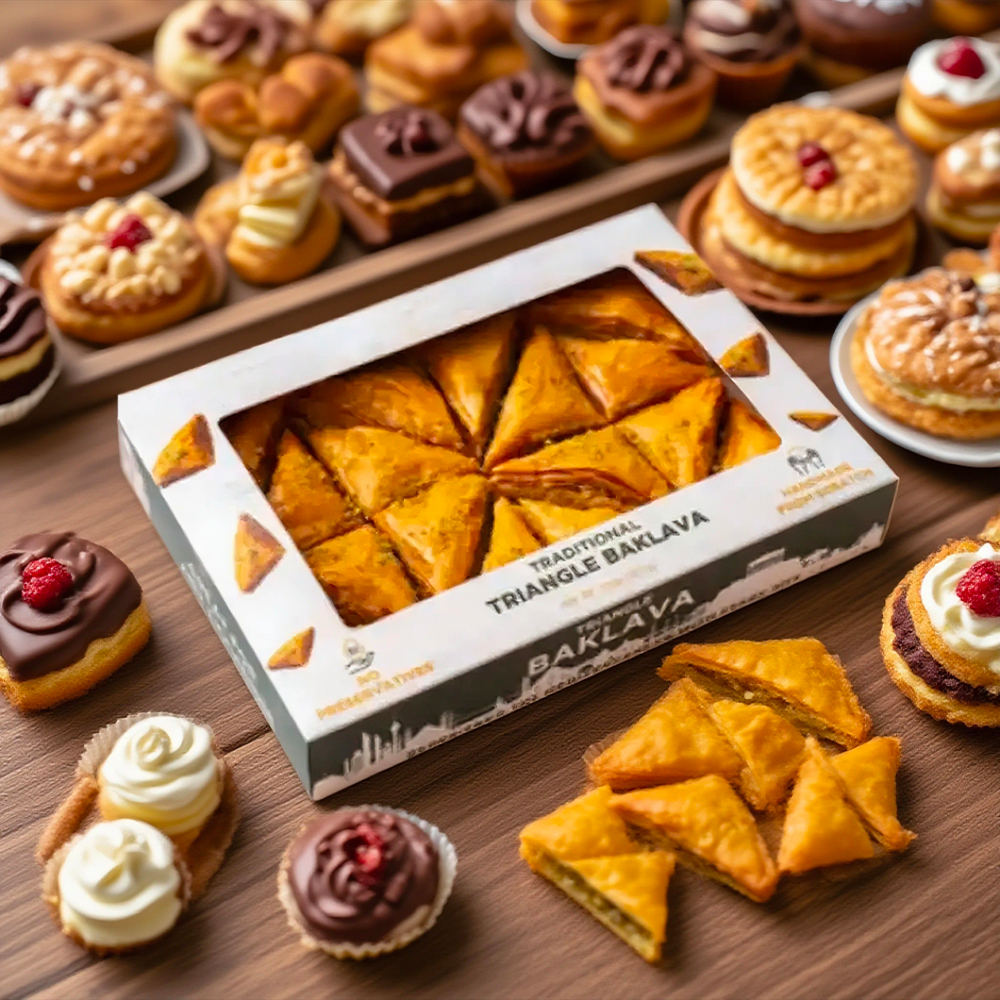
Packaging must clearly convey what the product offers. Labels like “handcrafted,” “premium ingredients,” or “low sugar” can significantly impact buying decisions. Transparency—both literal and figurative—plays a key role. A sweet box that allows a glimpse of the product inside often builds trust and reduces hesitation.
Consistent Brand Identity
A strong brand presence ensures recognition. Every sweet box should align with a cohesive visual language, including logo placement, color schemes, and typography. Consistency across product lines helps customers quickly identify your brand among competitors.
Storytelling Through Packaging
Modern consumers value authenticity. A sweet box can tell a story—whether it’s about the origin of ingredients, the craftsmanship behind the sweets, or the brand’s heritage. Short narratives or subtle design cues can transform packaging into an engaging brand experience rather than just a container.
Functional Design Elements
Practicality matters as much as aesthetics. Easy-to-open designs, resealable features, and durable materials enhance the user experience. A sweet box that is convenient to carry and store increases customer satisfaction and encourages repeat purchases.
Transparent and Interactive Packaging
Adding transparent windows or interactive elements such as QR codes can elevate packaging. A window allows customers to inspect the product visually, while QR codes can link to recipes, brand stories, or promotions, creating a deeper connection with the consumer.
Eco-Friendly Materials
Sustainability is no longer optional. Many consumers actively seek environmentally responsible products. Using recyclable paper, biodegradable coatings, or minimal packaging can make a sweet box more appealing to eco-conscious shoppers.
Minimalist Packaging Approach
Less is often more. Reducing excess material not only lowers environmental impact but also creates a clean, modern aesthetic. Minimalist sweet box designs often signal premium quality and align with current consumer preferences for simplicity and sustainability.
Understanding Target Audiences
Effective packaging begins with understanding who you are selling to. Different demographics respond to different visual cues. For instance, younger audiences may prefer bold, trendy designs, while older consumers might favor classic, elegant styles.
Testing and Iteration
Packaging design should not be static. Brands should test multiple sweet box variations through focus groups or in-store trials. Gathering feedback helps refine design elements, ensuring the packaging resonates with the intended audience and maximizes sales potential.
In today’s fast-paced retail landscape, a well-crafted sweet box is more than just packaging—it is a strategic marketing tool. By focusing on shelf appeal, understanding consumer psychology, maintaining strong branding, and embracing innovation and sustainability, businesses can significantly enhance their supermarket performance. As competition intensifies, investing in thoughtful and creative sweet box packaging will continue to be a decisive factor in attracting customers and driving long-term growth.
Sweet box packaging is often the first thing consumers notice on crowded shelves. In a supermarket environment where many similar products compete for attention, packaging becomes a key factor in influencing buying decisions. A well-designed sweet box not only attracts attention through color, shape, and layout but also communicates quality and brand value within seconds, helping to increase the likelihood of purchase.
Eye-catching colors, unique structural designs, and clear labeling are essential for an effective sweet box. Transparent windows can also increase trust by allowing consumers to see the product inside. In addition, balanced typography and consistent branding help create a professional appearance that stands out while still conveying product information clearly.
Packaging has a strong psychological impact on shoppers. A sweet box that looks premium or emotionally appealing can trigger positive feelings such as trust, nostalgia, or indulgence. When packaging communicates freshness, quality, or health benefits, it directly affects how consumers evaluate the product, often leading to faster and more confident purchasing decisions.
Sustainability is becoming increasingly important in packaging decisions. Many consumers prefer sweet box designs made from recyclable or biodegradable materials. Minimalist packaging not only reduces environmental impact but also enhances brand image by showing responsibility and modern awareness, which can positively influence purchase intention.
Brands can improve sweet box packaging by conducting market research, testing different designs, and understanding their target audience’s preferences. Combining visual appeal with functionality—such as easy opening, portability, and product visibility—can significantly enhance customer experience. Continuous optimization based on feedback helps ensure the packaging remains competitive in the supermarket market.
Post time: Apr-16-2026


