


The Real Problem With Syrupy Baklava
Traditional pastry boxes are not always designed to handle liquid or semi-liquid ingredients. Baklava syrup can slowly move through tiny gaps, soak into cardboard, or collect around the bottom of the package. By the time the customer opens the box, the pastry may no longer look as fresh as it did in the bakery.
That is where well-designed Custom Baklava Boxes make a difference. The goal is not simply to put baklava inside a pretty package. The packaging needs to protect the product from the syrup while keeping the pastry stable during handling.
A Better Box Starts With the Tray
A syrup-proof tray creates a physical barrier between the dessert and the outer box. Instead of allowing syrup to spread freely across the packaging, the tray helps contain it in one controlled area.
This small design choice can have a surprisingly big impact. It reduces mess, protects the box exterior, and makes the overall presentation feel cleaner.
Freshness Is Part of the Customer Experience
Customers judge food with their eyes before they taste it. If a baklava box arrives with wet corners or greasy marks, the product can appear less fresh, even when the baklava itself is perfectly good.
Good packaging helps preserve that first impression. A clean, sturdy box tells customers that the bakery has paid attention to every detail, from baking to delivery.
Making a baklava box resistant to leaks is more than choosing thicker cardboard. Several packaging details work together to create a more reliable system.
Choosing the Right Food-Safe Material
The material needs to be strong enough for the weight of the baklava and suitable for contact with food. Depending on the product and packaging structure, brands may consider coated paperboard, grease-resistant materials, or other food-grade packaging solutions.
The important thing is to match the material with the actual product. A dry pastry and a syrup-heavy baklava do not create the same packaging requirements.
Coatings Can Add an Extra Layer of Protection
A suitable inner coating can help slow down the absorption of oils and syrup. This is especially useful when baklava is transported over longer distances.
The coating should not be selected simply because it sounds premium. It needs to work with the intended food-contact application and packaging structure.
Tray Depth Makes a Difference
A shallow tray may look elegant, but it can struggle when a dessert releases extra syrup. A slightly deeper tray can give the liquid somewhere to settle instead of allowing it to reach the box walls.
This is one reason custom packaging is often more practical than a one-size-fits-all box. The tray can be designed around the actual dimensions and portion size of the baklava.
Keep the Product From Sliding
Leak prevention is not only about liquid control. Movement inside the box can make the problem worse. When individual pieces slide around, syrup can spread into areas that were originally dry.
A fitted insert or properly sized tray can keep each piece in place. Less movement means better presentation and less chance of syrup reaching the edges.
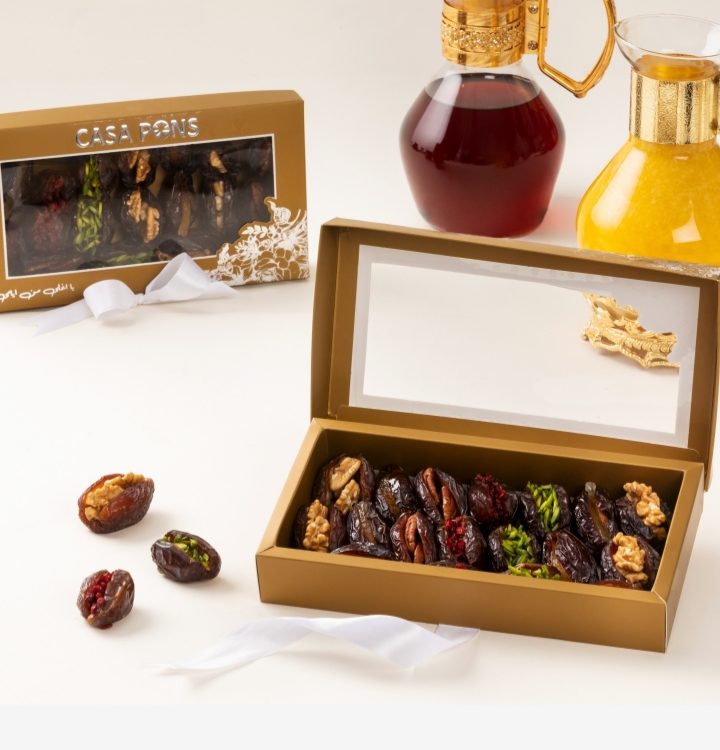
Not every baklava is the same. Some pieces are heavily soaked with syrup, while others have a lighter finish. Shapes and portion sizes also vary from one bakery to another.
Classic Square Baklava
Square baklava is one of the easiest styles to package because the pieces can be arranged in neat rows. A fitted tray can help create clean spacing and prevent the pieces from shifting during delivery.
For retail presentation, clear windows or strategically placed openings can also let customers see the layers without opening the entire package.
Rolled and Finger Baklava
Rolled baklava requires a slightly different approach. Long, narrow pieces can move more easily inside a standard box. A tray with channels or snug compartments can keep them aligned.
This type of packaging is especially useful for gift assortments, where the visual arrangement is part of the product experience.
Mixed Dessert Collections
Some brands sell baklava alongside other Middle Eastern or Mediterranean sweets. In this case, the packaging needs to accommodate different shapes, textures, and moisture levels.
Custom inserts can divide the box into sections, keeping syrup-heavy products away from drier items. This helps maintain the quality of the whole assortment rather than focusing on just one dessert.
Small Boxes for Individual Servings
Individual baklava boxes are useful for cafés, catering businesses, events, and takeaway counters. They need to be compact, but they still have to provide enough protection.
A properly sized tray reduces empty space, which can make the package feel more substantial while also limiting product movement.
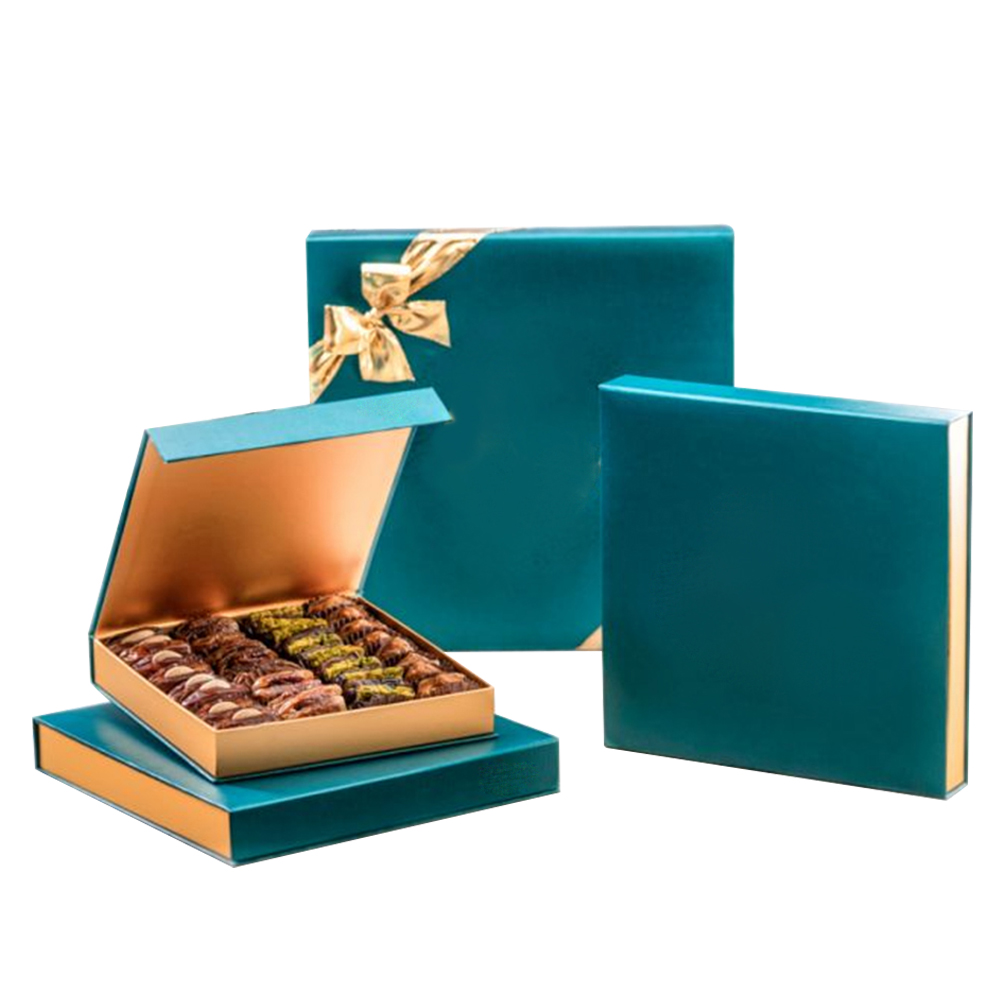
Packaging has another job beyond protecting baklava: it represents the brand. A bakery can have an excellent recipe, but generic packaging may make the product feel forgettable.
Turn the Box Into a Brand Touchpoint
The outside of the box can carry the bakery name, logo, colors, website, social media details, or a short brand message. These elements do not need to be loud.
A clean logo and a thoughtful design can often create a stronger impression than excessive graphics.
Premium Doesn't Always Mean Complicated
Luxury baklava packaging does not have to include layers of decoration. Simple typography, quality printing, and a well-proportioned box can look extremely polished.
For premium gift boxes, brands can explore textured finishes, foil details, embossing, or specialty papers. For everyday takeaway packaging, a simpler design may be more practical and cost-effective.
Windows Can Help Sell the Product
A transparent window can give customers an immediate view of the baklava. They can see the nuts, layers, and golden pastry before opening the package.
However, the window should be incorporated carefully. The packaging still needs to maintain structural strength and provide suitable protection for the food.
Packaging Should Match the Occasion
A bakery may need several packaging formats rather than one universal design. Everyday orders, holiday gifts, wedding favors, corporate gifts, and catering trays can all have different requirements.
Using different sizes and finishes under the same brand identity creates consistency while allowing the packaging to fit each occasion.
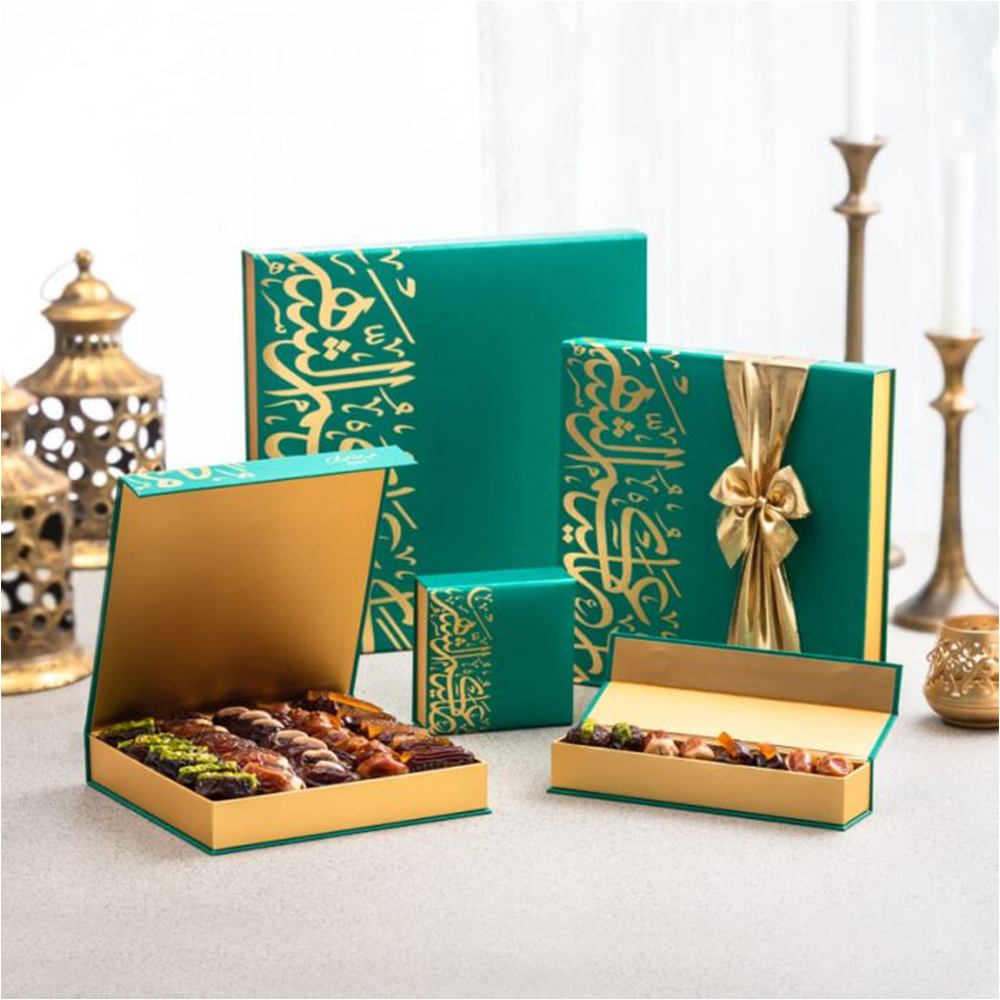
Baklava packaging is especially important when products are delivered. A box that works perfectly on a bakery counter may behave differently inside a delivery bag or vehicle.
Protect Against Tilting
Delivery involves movement. Boxes can be tilted, stacked, carried, or placed on uneven surfaces. If the baklava tray is loose, syrup can migrate toward the lid or sidewalls.
A fitted internal structure can reduce this risk. The less unnecessary space inside the package, the easier it is to control movement.
Think About Stacking
Restaurants, bakeries, and wholesalers may need to stack several boxes. Weak packaging can collapse under pressure, damaging the pastries underneath.
A strong box structure should support the intended stacking conditions without making the package unnecessarily bulky.
Make Opening Easy for Customers
Leak-resistant packaging should not feel difficult to open. Customers should be able to remove the lid without crushing the baklava or disturbing the tray.
Simple locking tabs, secure closures, or well-fitted lids can make the unboxing experience smoother.
Reduce Mess During Transport
A clean package saves more than the product. It can also reduce cleanup for delivery staff and customers. If syrup stays contained, there is less chance of sticky bags, stained surfaces, or damaged labels.
For bakeries handling dozens or hundreds of orders a day, this kind of reliability can make daily operations noticeably easier.
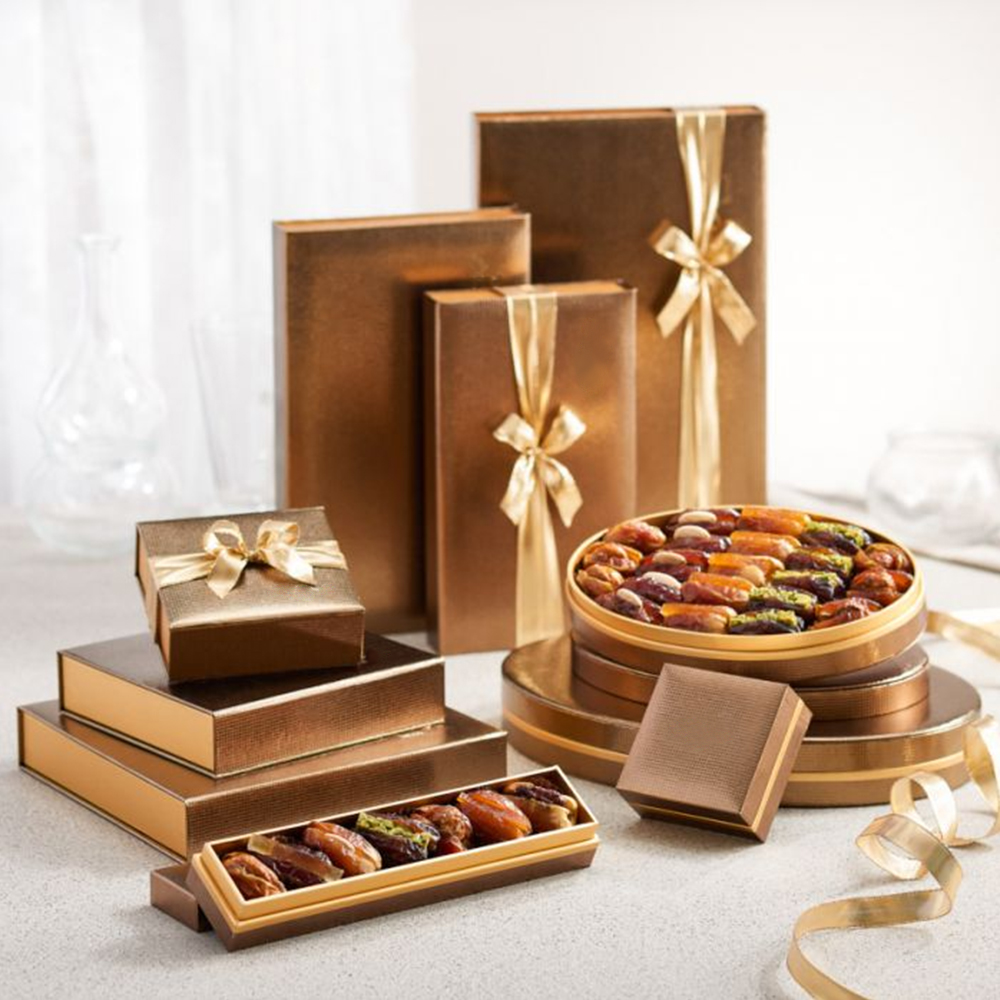
Once a bakery knows what its packaging needs to accomplish, the next step is turning those requirements into an actual box design.
Start With the Product, Not the Box
Measure the baklava first. Consider piece dimensions, tray quantity, syrup level, stacking method, and delivery conditions.
Then decide how much room is actually needed. Oversized boxes may look impressive, but excess space can allow the product to move around.
Ask About Food-Safe Packaging
A packaging supplier should be able to explain what materials and coatings are intended for food packaging. This is especially important when the inner surface may come into contact with syrup, butter, or other ingredients.
Do not assume that every printed paper box is automatically suitable for direct food contact.
Test Before Ordering in Bulk
A sample run is worth the effort. Fill the tray with actual baklava, add the normal amount of syrup, close the package, and test it under realistic conditions.
Try carrying it, tilting it, stacking it, and leaving it for the expected storage period. A packaging design can look great on a computer screen but reveal problems during real-world testing.
Balance Cost and Performance
The cheapest box is not necessarily the most economical option. If packaging fails regularly, a bakery may lose product, deal with customer complaints, and spend more time replacing damaged orders.
A better approach is to consider the total packaging cost, including protection, presentation, storage, shipping, and customer experience.
Plan for Future Growth
A growing bakery may eventually need multiple sizes, seasonal designs, or larger wholesale formats. Choosing a packaging structure that can be adapted later can make future expansion easier.
It is also useful to discuss minimum order quantities, printing methods, lead times, storage requirements, and customization options before committing to a large production run.
A great baklava deserves packaging that can handle everything that makes it delicious. The syrup, butter, nuts, delicate layers, and rich texture all create special packaging requirements.
A syrup-proof tray combined with a well-designed box can help keep the dessert stable, reduce leakage, and protect the appearance of every piece. At the same time, thoughtful printing and structural design can turn ordinary pastry packaging into a recognizable part of the brand.
The best Custom Baklava Boxes are not simply attractive containers. They are designed around the product, the customer, and the journey between the bakery and the final bite.
For bakeries and dessert brands, that means looking at packaging from the inside out: start with syrup control, choose suitable food-safe materials, build a secure tray, test the box in real delivery conditions, and then add the visual details that make the brand memorable.
When all of these elements work together, the result is simple: less mess, better presentation, and baklava that reaches the customer looking much closer to the way it left the kitchen.
Custom Baklava Boxes can be designed with food-safe, grease-resistant materials, protective inner coatings, and fitted trays. A deeper tray can also help contain syrup and prevent it from spreading to the outer walls of the box. The exact design should be based on the amount of syrup and the type of baklava being packaged.
Yes. Properly designed Custom Baklava Boxes can help protect baklava from movement, moisture, grease, and accidental damage during transportation. A fitted tray keeps the pieces in place, while suitable packaging materials help reduce the risk of the box becoming soggy or stained.
Absolutely. Custom Baklava Boxes can be produced in different sizes, shapes, and layouts to suit square baklava, rolled baklava, assorted desserts, or individual portions. Brands can also customize printing, colors, logos, finishes, windows, inserts, and other design elements.
Yes. Custom Baklava Boxes are a popular option for premium dessert gifts, weddings, holidays, corporate events, and special occasions. A combination of sturdy construction, attractive printing, and a neat internal tray can make the packaging both practical and visually appealing.
Start by testing the packaging with your actual baklava. Add the normal amount of syrup, place the product in the tray, and check the box after carrying, tilting, stacking, and storing it under realistic conditions. This helps identify potential leakage, movement, or structural problems before committing to a large order.
Post time: Sep-01-2026


