


As environmental concerns continue to shape consumer behavior, brands are rethinking the way they package products. In 2026, businesses are no longer treating packaging as just a protective layer — it has become part of the brand experience, sustainability strategy, and customer communication. From biodegradable materials to minimalist box designs, the packaging industry is evolving fast.
For companies looking to stay competitive, investing in Sustainable Custom Packaging is no longer optional. Customers now expect eco-conscious choices, and governments around the world are introducing stricter environmental regulations. Brands that adapt early are gaining stronger customer loyalty and building a more future-proof business model.
One of the biggest trends in 2026 is the growing demand for recyclable and compostable packaging materials. Traditional plastic packaging is quickly losing favor as businesses search for greener alternatives that reduce landfill waste and carbon emissions.
Kraft Paper and Paperboard Are Leading the Shift
Kraft paper boxes and recyclable paperboard packaging have become popular across industries like cosmetics, food, CBD products, and luxury retail. These materials are lightweight, durable, and easier to recycle compared to plastic-based packaging.
Many brands now prefer custom paper boxes because they offer both environmental benefits and premium product presentation. Companies such as Fuliter are already focusing on eco-friendly paper packaging solutions that support recyclable production processes and FSC-certified materials.
Compostable Packaging Is Becoming Mainstream
In 2026, compostable packaging is no longer considered a niche option. More businesses are choosing plant-based coatings, biodegradable films, and soy-based inks to create packaging that naturally breaks down after disposal.
Consumers appreciate packaging that leaves less environmental impact, especially younger buyers who actively support sustainable brands.
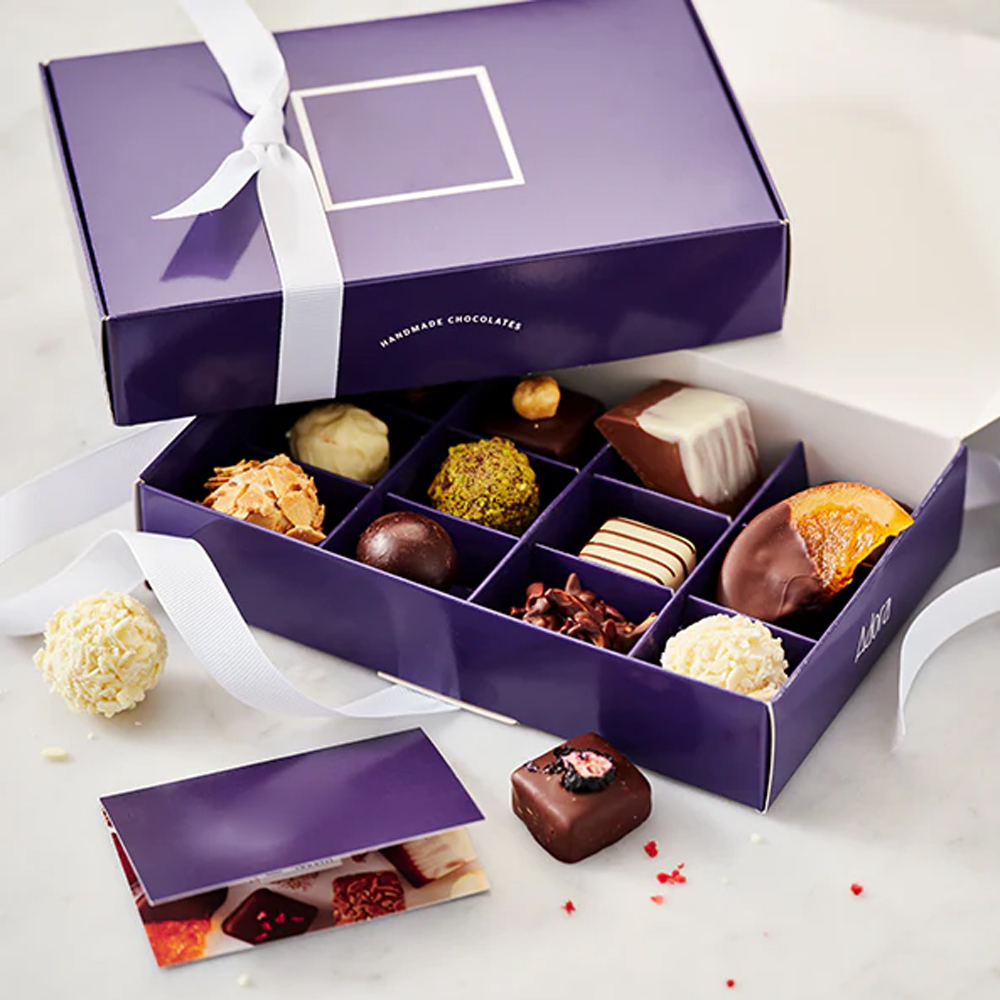
Minimalism is becoming one of the strongest packaging trends this year. Brands are learning that simpler packaging not only looks modern but also reduces material waste and shipping costs.
Less Material, Better Branding
Instead of oversized boxes and excessive inserts, companies are moving toward compact and functional packaging designs. A clean logo, natural textures, and simple typography now communicate luxury more effectively than heavy decoration.
This shift also helps brands reduce production expenses while improving sustainability goals.
Natural Colors and Eco-Friendly Printing
Earth-tone packaging colors like beige, brown, olive green, and soft white are becoming more common in sustainable branding. Water-based inks and low-impact printing methods are also replacing chemical-heavy finishes.
Consumers today often associate natural-looking packaging with honesty, quality, and environmental responsibility.
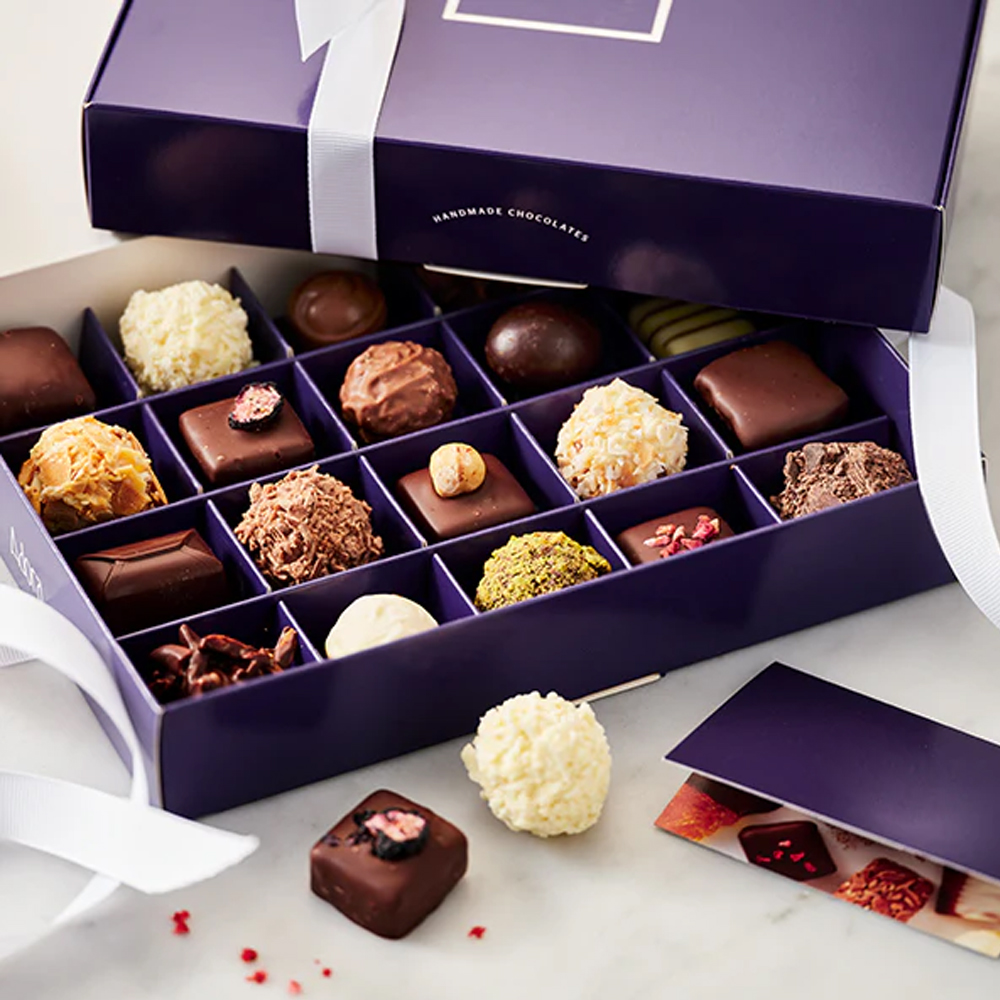
Technology is playing a surprisingly important role in sustainable packaging development. In 2026, smart packaging features are helping brands reduce waste while improving customer engagement.
QR Codes Replace Printed Manuals
Instead of printing large instruction booklets or promotional inserts, many companies now use QR codes directly on packaging. Customers can scan the code to access product guides, recycling instructions, or brand stories online.
This simple change significantly cuts paper usage and creates a cleaner packaging experience.
AI and Automation Improve Packaging Efficiency
Packaging manufacturers are using AI-powered systems to optimize box dimensions, material usage, and production efficiency. Better precision means less wasted paper, lower energy consumption, and faster production times.
Automated production lines also help custom packaging factories maintain consistent quality while reducing operational waste.
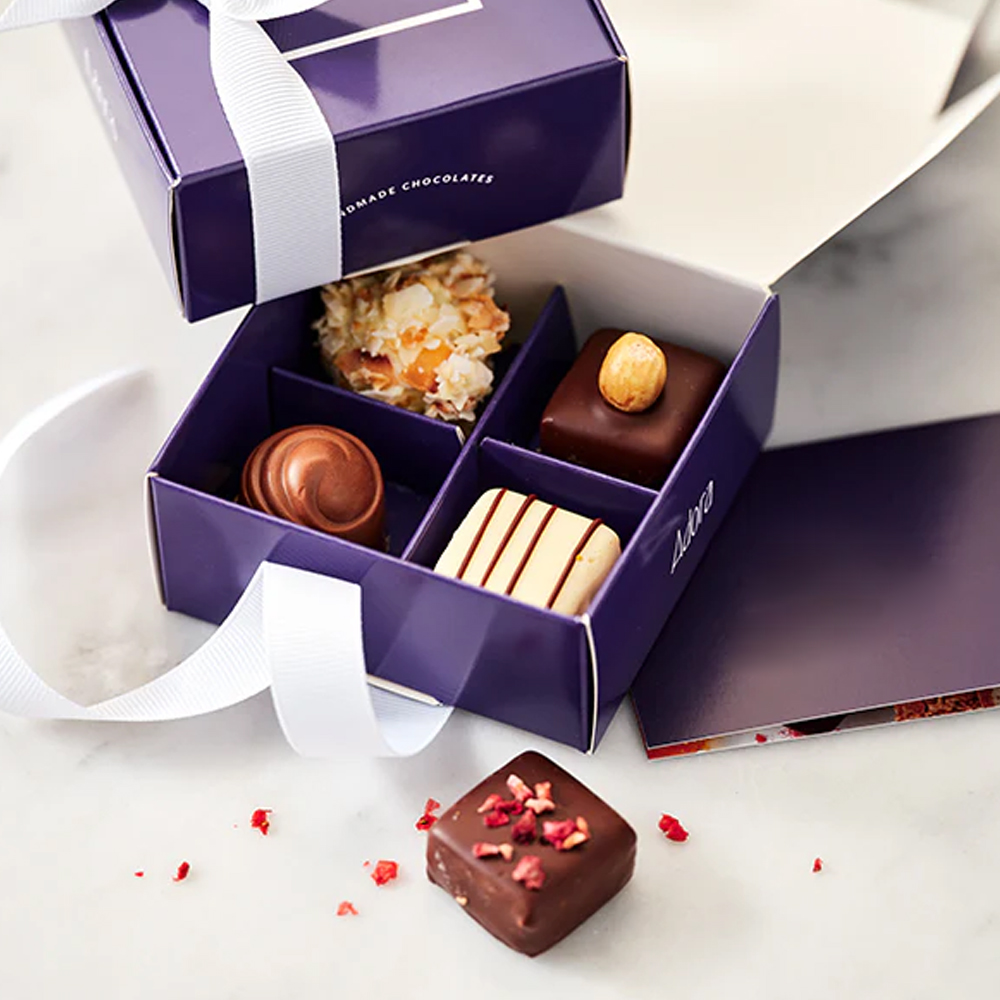
The idea of a circular economy is influencing packaging design more than ever before. Instead of creating packaging that gets thrown away immediately, brands now focus on reusable and recyclable systems.
Reusable Packaging Gains Popularity
Luxury brands and subscription-based businesses are experimenting with reusable packaging concepts. Magnetic gift boxes, rigid paper boxes, and foldable packaging designs can often be reused by customers for storage purposes.
This approach not only reduces waste but also increases the perceived value of the product.
Mono-Material Packaging Simplifies Recycling
Another important trend is the move toward mono-material packaging. By avoiding mixed materials like plastic laminates combined with aluminum layers, recycling becomes much easier for consumers and recycling facilities.
Simple material structures are helping businesses meet new environmental standards introduced in many countries.
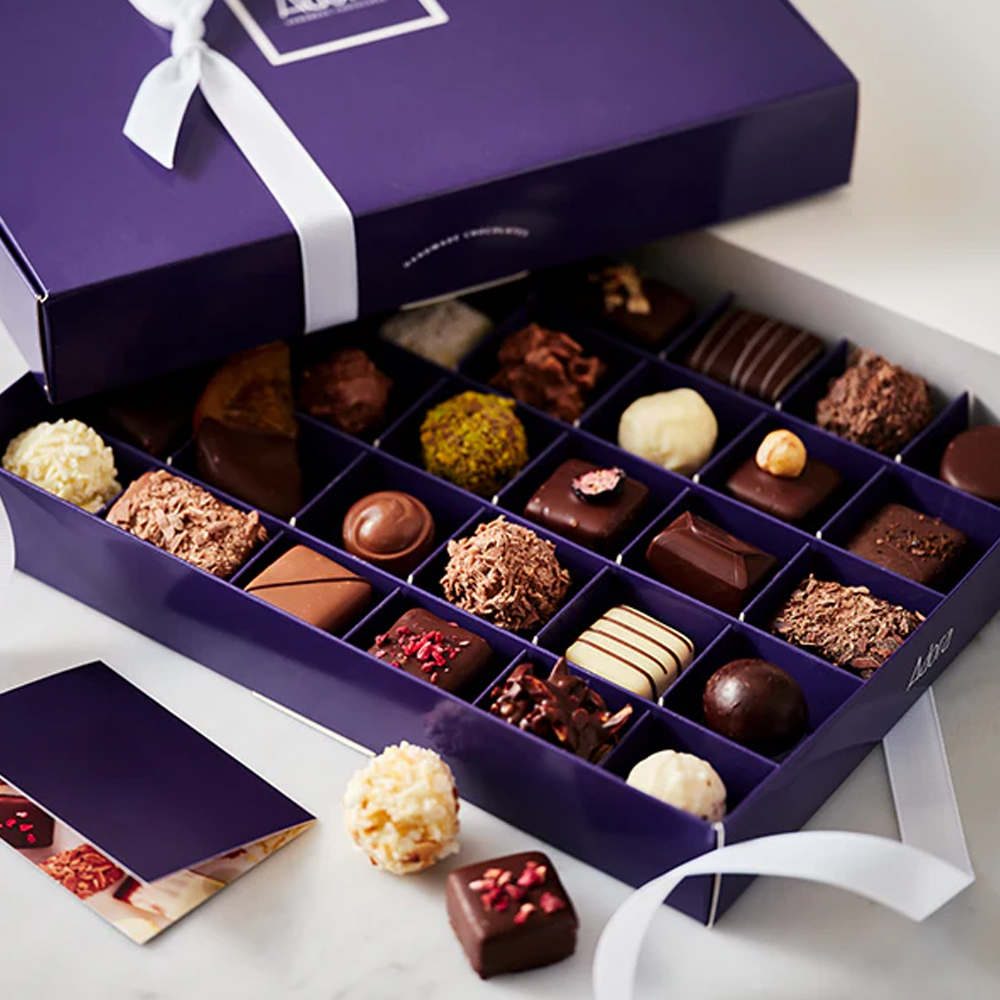
The rapid growth of online shopping continues to reshape packaging needs in 2026. E-commerce brands now require packaging that protects products during shipping while staying environmentally responsible.
Lightweight Packaging Reduces Carbon Emissions
Shipping weight directly affects transportation emissions and logistics costs. For this reason, many brands are switching to lightweight corrugated boxes and flexible paper packaging solutions.
Reducing packaging weight helps lower fuel consumption throughout the supply chain.
Unboxing Experience Still Matters
Even with sustainability goals, customers still expect attractive packaging when they open an online order. Businesses are balancing eco-friendly materials with creative structural designs to create memorable unboxing moments.
Custom inserts, embossed logos, and premium textures are being used more strategically without creating unnecessary waste.
The packaging industry is changing rapidly, and 2026 is proving to be a major turning point for sustainable innovation. Businesses are moving beyond basic eco-friendly claims and adopting smarter, more practical packaging solutions that align with customer expectations and environmental regulations.
From recyclable paper materials and minimalist designs to reusable packaging systems and AI-driven production, the future of Sustainable Custom Packaging is all about balancing functionality, branding, and environmental responsibility.
For brands that want to stay ahead of the competition, investing in sustainable packaging is not simply a trend — it’s a long-term business strategy. Companies that embrace these changes today will be better positioned to attract conscious consumers, strengthen their brand image, and create a more sustainable future for the packaging industry.
Sustainable Custom Packaging refers to packaging solutions designed to reduce environmental impact while still protecting products and supporting brand identity. It often includes recyclable materials, biodegradable components, reusable packaging designs, and eco-friendly printing methods.
In 2026, consumers are paying more attention to environmental responsibility than ever before. Governments are also introducing stricter packaging regulations worldwide. Sustainable packaging helps businesses reduce waste, lower carbon emissions, improve brand reputation, and meet customer expectations.
Some of the most popular sustainable packaging materials include kraft paper, corrugated cardboard, recyclable paperboard, compostable bioplastics, soy-based inks, and water-based coatings. These materials are widely used because they are easier to recycle and create less environmental pollution.
Eco-friendly packaging can sometimes have a slightly higher upfront cost, but many businesses save money over time through reduced material usage, lighter shipping weight, and stronger customer loyalty. As sustainable packaging technology improves, prices are also becoming more competitive.
Modern consumers often prefer brands that care about sustainability. Using eco-friendly packaging shows environmental responsibility and helps build trust with customers. Sustainable packaging can also create a premium unboxing experience that strengthens brand recognition and customer satisfaction.
Post time: May-21-2026


