


Why Plant-Based Packaging Is Changing Custom Chocolate Boxes
Chocolate has always been about pleasure. You open the box, catch that rich cocoa aroma, and suddenly the day feels a little better. But today, customers are paying attention to more than what is inside the box. They are also looking at how that chocolate is presented, what the box is made from, and what happens to the packaging after the last piece is gone.
That is where Plant-Based Packaging comes into the picture. For vegan chocolate brands, organic confectionery companies, specialty retailers, and businesses looking for more responsible packaging, plant-based custom chocolate boxes offer a fresh way to connect sustainability with premium design.
More Than Just a Vegan Label
A vegan chocolate product naturally creates certain expectations. Customers who choose plant-based food often care about ingredients, sourcing, animal welfare, waste, and environmental impact. If the chocolate is carefully developed but comes in packaging that feels excessive or difficult to dispose of, the overall brand message can feel a little disconnected.
Custom packaging made with paper-based, recycled, or other renewable materials can help create a more consistent story. The goal is not simply to put a green logo on a box. It is about making the packaging feel like a genuine extension of the product.
Turning Sustainability Into a Brand Story
Packaging is one of the first things customers physically interact with. A beautifully designed box can explain a lot before they even taste the chocolate.
A soft natural texture, simple artwork, earthy typography, and a thoughtfully designed structure can communicate ideas such as clean ingredients, responsible production, and modern vegan living. Instead of shouting about sustainability, the packaging can quietly show it.
Why Customization Still Matters
Going green does not mean every vegan chocolate box needs to look plain. Quite the opposite. Custom printing, unique box shapes, embossed logos, creative opening mechanisms, and carefully selected finishes can make plant-based packaging look luxurious.
For chocolate brands, that combination is powerful: a premium appearance with a more thoughtful material choice.
There is a common misconception that sustainable packaging has to look basic. Customers may imagine a simple brown kraft box with one-color printing. While that style certainly has its place, modern Plant-Based Packaging can be much more creative.
The trick is finding the right balance between appearance, functionality, and material selection.
Texture Makes a Difference
Chocolate is a sensory product, so packaging should feel good in the hand. A textured paper surface, soft-touch finish, or natural fiber appearance can make a box feel more interesting before it is even opened.
For premium vegan chocolate, tactile details can be especially useful. They create a sense of craftsmanship without requiring an overly complicated package.
Minimal Design Can Look Expensive
A crowded box can sometimes make a premium product look less valuable. Clean layouts often work better for vegan chocolate brands.
Imagine a deep cocoa-colored box with a small logo, subtle botanical illustrations, and a short message about the chocolate. The design feels confident because it does not try too hard.
Minimalism can also reduce unnecessary printed elements, making the visual identity easier to recognize across different products.
Small Details Create a Big Impression
A magnetic-style opening, sliding drawer, folding lid, or custom insert can turn a simple chocolate box into an experience.
The packaging might reveal each chocolate piece one by one, hold assorted flavors securely, or include a small card describing the ingredients. These details can make customers more likely to remember the brand and share the product online.
In other words, sustainable packaging does not have to sacrifice the “wow” factor.
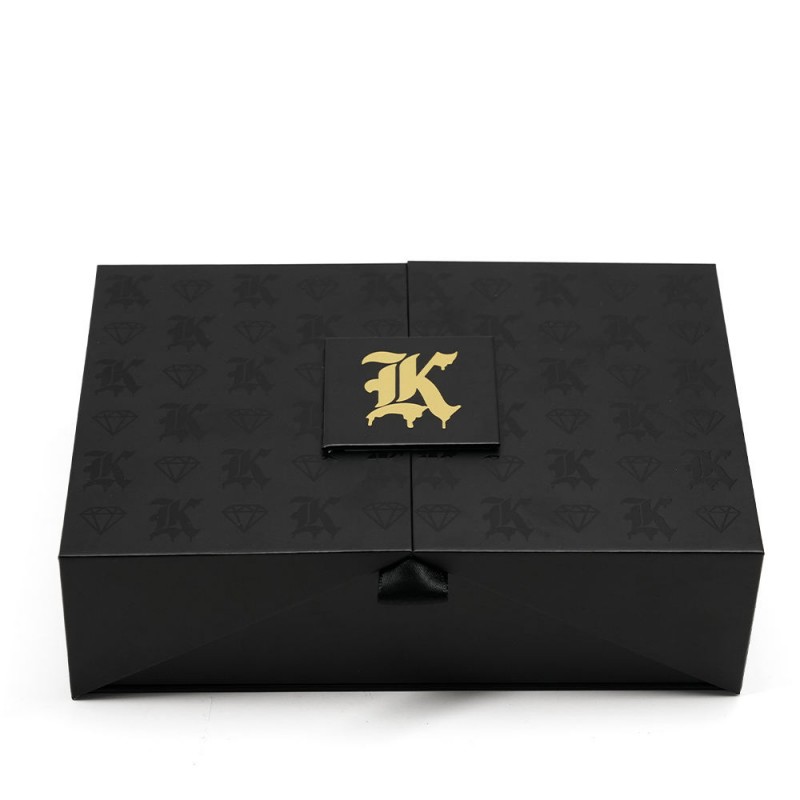
Material selection is probably one of the most important decisions when developing custom vegan chocolate boxes. The packaging needs to look attractive, protect the chocolate, and support the brand's environmental positioning. Plant-Based Packaging works best when material choices are considered from the beginning rather than added as an afterthought.
Recycled Paper and Paperboard
Recycled paperboard is a popular option for chocolate packaging because it can provide a strong balance between print quality, structure, and sustainability goals.
It works well for folding cartons, sleeves, rigid-style boxes, and many custom structures. Depending on the design, recycled board can be printed with colorful graphics or left with a more natural appearance.
Kraft Paper for a Natural Personality
Kraft paper has become closely associated with natural and eco-conscious brands. Its warm appearance can work particularly well for vegan chocolate, especially products featuring nuts, berries, coffee, coconut, or other plant-based ingredients.
The advantage is its honest, uncomplicated look. It does not need much decoration to stand out.
Plant-Based Inks and Finishes
The material is only one part of the packaging equation. Printing and finishing choices matter too.
Depending on the packaging supplier and project requirements, brands can explore vegetable-based or water-based inks, recyclable coatings, and other lower-impact finishing options.
However, it is important not to make broad environmental claims without checking the actual material specifications. “Eco-friendly” can mean many different things, so brands should ask suppliers for clear information about composition, certifications, recyclability, and disposal requirements.
Functional Materials Matter Too
Chocolate packaging has a practical job. It needs to protect the product from crushing, contamination, moisture, and temperature changes during handling and transportation.
That means a beautiful sustainable box is not enough. The structure and inner packaging should be designed around the chocolate itself. A good custom packaging supplier can help balance protection with material efficiency.
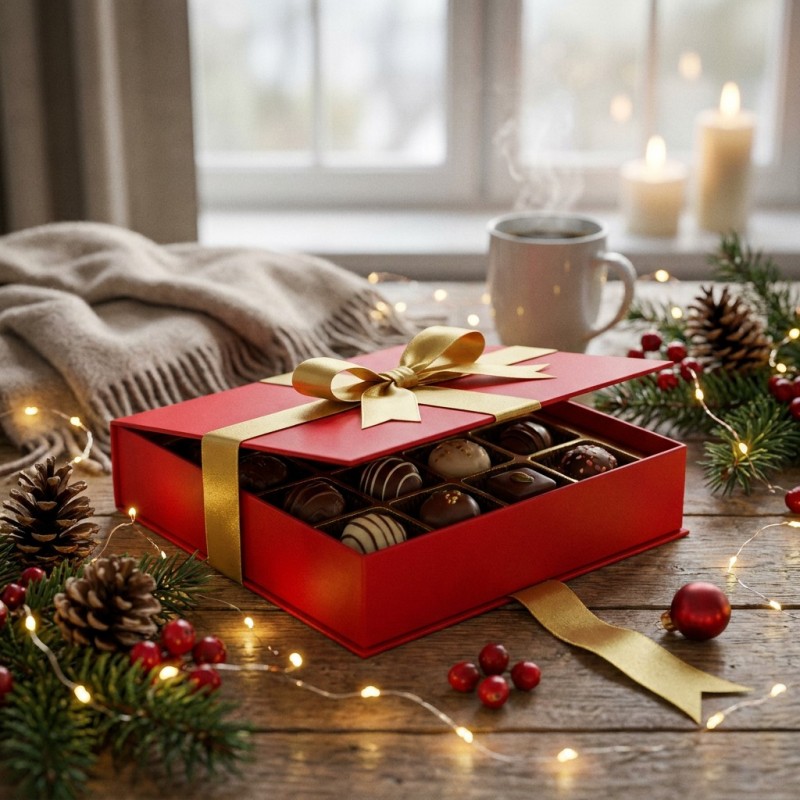
The chocolate market is crowded. Walk into a specialty food store and you may see dozens of colorful boxes competing for attention. Online, the challenge is even greater because customers often see the packaging before they know anything about the product.
A strong Plant-Based Packaging design can help a vegan chocolate brand build recognition while communicating its personality.
Use Colors That Feel Fresh, Not Predictable
Green is an obvious choice for plant-based products, but it is not the only option.
Warm cream, cocoa brown, muted orange, soft pink, burgundy, charcoal, and botanical shades can all work beautifully with vegan chocolate packaging. The best color depends on the brand personality.
A premium dark chocolate company might prefer a sophisticated monochrome palette, while a fruit-filled vegan chocolate line could use brighter colors.
Tell Customers What Makes the Chocolate Special
The front of the box should not become a wall of text. Still, a few well-chosen messages can make a difference.
Words such as “vegan,” “plant-based,” “dairy-free,” or “made with carefully selected ingredients” may help shoppers quickly understand the product, provided the claims accurately reflect the product and applicable labeling requirements.
A short brand story can also make the box feel more personal. Customers like knowing why a product exists, especially when the brand has a clear philosophy behind it.
Create Packaging Worth Sharing
Social media has changed the role of chocolate packaging. A customer may photograph a box before tasting the chocolate, particularly when it arrives as a gift.
Unique opening experiences, attractive interiors, personalized messages, and beautiful product arrangements can encourage organic sharing.
That does not mean every package needs to be flashy. Sometimes a simple, elegant box photographed in natural light can have more impact than an overly decorated design.
Think Beyond One Product
A smart packaging system should work across a product range.
For example, a brand could use the same basic box structure for dark chocolate, hazelnut, raspberry, and sea-salt varieties while changing the artwork and color accents. This creates a recognizable family of products while keeping each flavor distinct.
That consistency is valuable for both retail shelves and e-commerce.
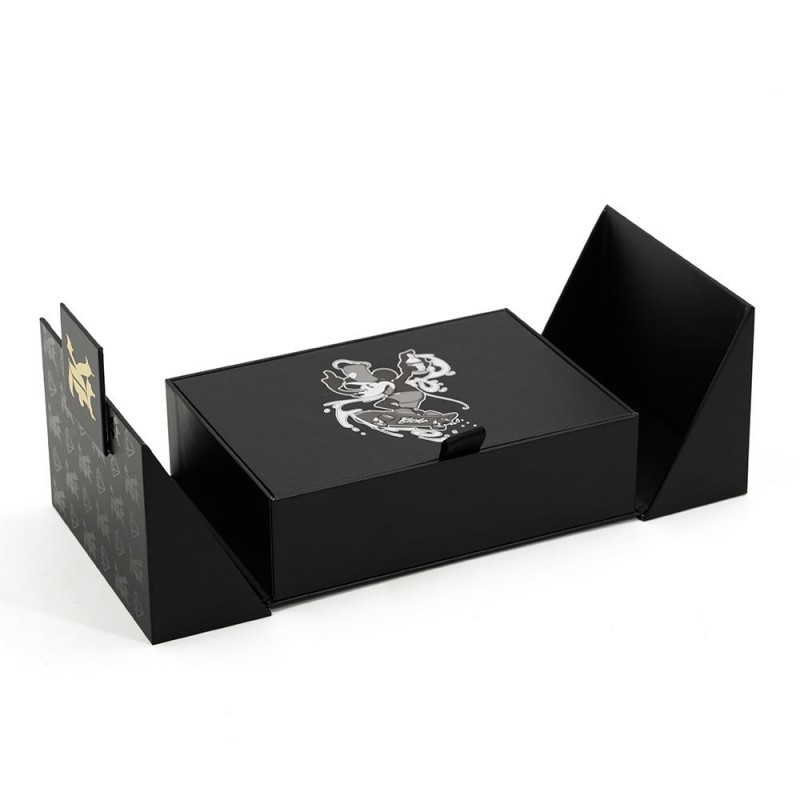
Custom chocolate boxes are not limited to everyday retail. Vegan chocolate has become a popular choice for gifts, corporate events, weddings, holiday collections, and promotional campaigns.
In each situation, Plant-Based Packaging can add another layer of meaning to the product.
Gift Chocolate With a More Personal Touch
A box of vegan chocolates can be a thoughtful gift, but personalized packaging makes the experience even stronger.
A company might add a custom greeting, a seasonal illustration, or a recipient's name. For weddings, packaging can include the couple's initials and event date. For holidays, the design can be changed without completely redesigning the box structure.
Corporate Chocolate Packaging
Businesses often use chocolate as a thank-you gift for customers, employees, partners, and event attendees.
Custom packaging gives companies a chance to introduce their values in a subtle way. A well-designed plant-based chocolate box can carry the company logo while still feeling like a genuine gift rather than a piece of advertising.
For businesses with sustainability goals, choosing responsibly sourced packaging can also support a broader brand strategy.
Seasonal Collections
Halloween, Christmas, Valentine's Day, Easter, and other seasonal events create opportunities for limited-edition chocolate boxes.
A vegan chocolate brand could create a Halloween box with playful botanical illustrations, spooky characters, and plant-based messaging. A Valentine's collection might use elegant typography and romantic patterns instead.
The underlying box can remain consistent while the graphics change with the season. This can make limited editions easier to develop.
Boutique Retail and Subscription Boxes
Small chocolate makers often rely on packaging to communicate their handmade or premium identity.
A custom box with carefully considered materials can help a small brand compete with larger companies. Subscription services can also use custom packaging to make every monthly delivery feel like a small event.
The box becomes part of the product experience rather than something customers immediately throw away.
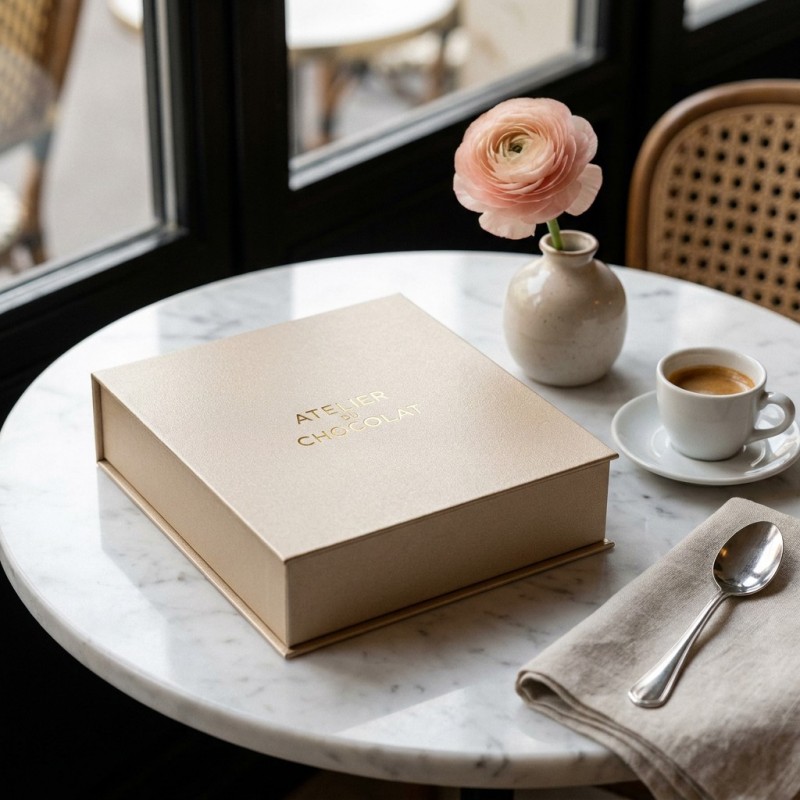
Creating custom chocolate packaging is easier when the project is planned in stages. Jumping directly into artwork without considering dimensions, materials, printing, and logistics can lead to unnecessary revisions.
A clear plan makes Plant-Based Packaging development smoother and can help control costs.
Start With the Chocolate
First, understand what the box needs to hold. Determine the number of chocolate pieces, their dimensions, weight, shape, and arrangement.
A box for six truffles has very different structural requirements from a larger assortment containing twenty-four chocolate pieces.
The chocolate should guide the insert and internal dimensions rather than forcing the product into a box that was designed first.
Define Your Brand Personality
Ask a few simple questions. Is the brand playful or sophisticated? Handmade or modern? Affordable or premium? Minimalist or colorful?
The answers will influence everything from paper texture to typography.
For vegan chocolate, it is also useful to decide how strongly the plant-based identity should appear. Some brands may make it the central message, while others may focus more heavily on flavor and luxury.
Discuss Material Options With Your Supplier
Do not choose materials based on appearance alone.
Ask about recycled content, fiber sources, coatings, inks, recyclability, compostability where relevant, food-contact suitability, and available certifications. The right option depends on the product, market, packaging structure, and local disposal systems.
Build a Prototype
A physical sample can reveal problems that are difficult to notice on a computer screen.
Check whether the box opens smoothly. See whether the chocolates move around. Test the insert. Look at the colors under normal lighting. Hold the box and see whether it feels strong enough.
Small adjustments at this stage can make a big difference once production begins.
Think About Shipping and Storage
A beautiful box still needs to survive real life.
Consider how the packaging will be stacked, transported, stored, and displayed. If the chocolate is being sold online, shipping conditions become especially important.
Efficient packaging can also reduce wasted space during transportation, which is another reason structural design deserves attention.
Make Sustainability Specific
Finally, avoid vague promises. If your packaging uses recycled board, say so accurately. If a material has a particular certification, communicate it according to the certification rules.
Clear information builds more trust than exaggerated environmental language.
Vegan chocolate is no longer simply a niche alternative. For many shoppers, it represents a broader interest in plant-based ingredients, thoughtful consumption, and brands that reflect modern values. Packaging plays an important role in that story.
Well-designed Plant-Based Packaging can bring together appearance, protection, functionality, and brand identity without making the chocolate feel less luxurious. Recycled paperboard, kraft materials, carefully selected inks, minimalist graphics, custom structures, and personalized details all create opportunities for brands to make a stronger first impression.
The most successful custom chocolate boxes are not necessarily the ones with the most decoration. They are the ones that feel right for the product and the people buying it.
For vegan chocolate brands, that means creating a box that looks delicious, feels premium, protects the chocolate, and communicates the brand's values naturally. When those elements work together, the packaging becomes more than a container. It becomes part of the experience—and sometimes, it is the part customers remember first.
Plant-Based Packaging refers to packaging solutions that use renewable, paper-based, recycled, or other plant-derived materials instead of relying heavily on conventional plastics or materials with a larger environmental footprint. For custom chocolate boxes, it can combine attractive design, product protection, and a more sustainability-focused brand image.
Absolutely. Sustainable packaging does not have to look plain or inexpensive. Custom printing, textured paper, embossed logos, elegant typography, premium finishes, and creative box structures can give vegan chocolate boxes a high-end appearance while maintaining a more responsible packaging direction.
Popular options include recycled paperboard, kraft paper, specialty paper, and other paper-based materials. Depending on the product and packaging requirements, brands can also explore different printing inks, coatings, and inserts. The best material should provide a good balance between appearance, durability, food-contact suitability, and end-of-life considerations.
Yes. Custom chocolate packaging works especially well for weddings, corporate gifts, holidays, promotional campaigns, and special events. Brands can personalize the box with logos, names, messages, seasonal artwork, or event dates. This makes the chocolate feel more personal while helping the packaging match the occasion.
Start by considering the chocolate size, number of pieces, product weight, shipping requirements, and brand style. Then discuss suitable materials and structural options with your packaging supplier. Requesting a prototype before mass production is also a smart step because it allows you to check the box's appearance, strength, fit, and overall customer experience.
Post time: Sep-03-2026


