


Packaging Is Part of the Food Experience
When customers open a dessert box, they expect two things right away: the dessert should look great, and it should still taste exactly the way the baker intended. That sounds simple, but packaging can actually play a much bigger role than many brands realize.
Custom Dessert Boxes are often designed around appearance first. A beautiful logo, attractive colors, a clever window, or a premium finish can make a product stand out on a crowded shelf. However, food packaging also needs to protect the product from unwanted substances that may migrate from the packaging into the food.
This is where food-contact safety becomes especially important.
What Does “Zero Migration” Really Mean?
“Zero migration” is commonly used in packaging discussions to describe an approach focused on minimizing the transfer of unwanted packaging substances into food. Strictly speaking, food-contact materials are evaluated against applicable migration limits and safety requirements rather than being assumed to have literally zero molecular transfer under every condition.
For dessert brands, that distinction matters. Cakes, cookies, pastries, chocolates, and other fatty foods can interact differently with packaging materials. A package that looks perfectly fine may still require careful material selection, printing, coating, and production controls.
Why Dessert Brands Should Pay Attention
Desserts are often sensitive products. Butter, cream, chocolate, oils, and other ingredients can create conditions where certain packaging substances deserve extra attention.
That means choosing Custom Dessert Boxes should not be only about size and design. Material safety, ink selection, coatings, adhesives, and manufacturing processes all deserve a place in the conversation.
What Is MOAH?
MOAH stands for Mineral Oil Aromatic Hydrocarbons. These substances can be associated with mineral oil contamination and are increasingly discussed in relation to food safety and packaging.
The topic can sound technical, but the basic idea is easy to understand: food packaging should not introduce unnecessary contaminants into the food it is designed to protect.
For packaging manufacturers and dessert brands, this means paying attention to raw materials and production processes instead of treating the printed outer box as purely decorative.
How Can Packaging Become a Concern?
Paper and board packaging can contain different substances depending on the raw materials, recycled fibers, inks, varnishes, adhesives, and manufacturing environment involved.
Recycled paper, for example, can contain residues from previous applications. Printing inks may also contain substances that need to be carefully controlled. While the actual risk depends on the material, food type, contact conditions, and barrier properties, responsible packaging design starts with understanding these variables.
MOAH-Safe Custom Dessert Boxes
A MOAH-conscious approach can involve selecting suitable virgin or controlled recycled paperboard, using appropriate low-migration printing systems, and adding functional barriers where needed.
For brands ordering Custom Dessert Boxes, it is worth asking packaging suppliers specific questions instead of simply requesting a “food-safe” box. Ask what materials are used, what type of inks are applied, whether migration testing is available, and whether the finished packaging is intended for direct or indirect food contact.
Those questions can save a lot of trouble later.
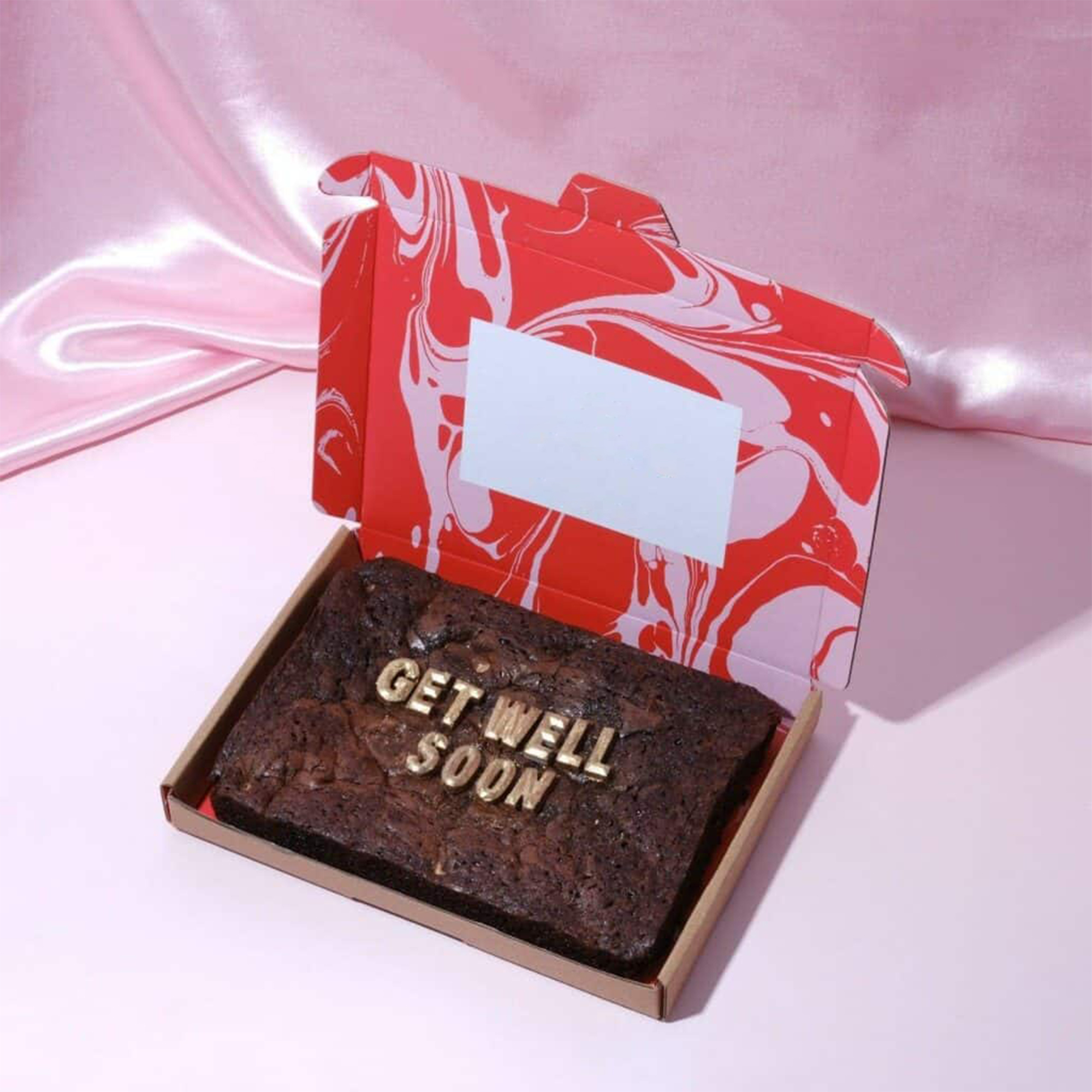
Start With the Right Paperboard
The board is the foundation of any dessert package. It needs to provide enough strength for transportation while also being appropriate for the intended food-contact application.
For products with direct food contact, the packaging structure should be designed with that contact in mind. In some cases, an inner liner, grease-resistant layer, or barrier coating can help separate the food from printed or potentially migratory components.
The exact structure should be selected according to the dessert and its storage conditions.
Choose Low-Migration Printing Systems
Printing is one of the biggest areas where packaging decisions can affect food-contact performance.
A supplier producing Custom Dessert Boxes for food applications should understand the difference between ordinary decorative printing and systems designed for packaging where migration control matters. Low-migration inks and coatings can help reduce the movement of certain substances through the packaging structure.
It is also important to remember that ink choice is only one part of the equation. Curing, drying, storage, and production conditions can influence the final result.
Keep Printed Surfaces Away From Food
Another straightforward strategy is structural design.
If the printed side of the board does not directly touch the dessert, the packaging can create an additional separation layer. This is particularly useful for products such as cookies, brownies, pastries, and chocolate treats.
Good package engineering often combines several small precautions rather than depending on one single solution.
Consider the Whole Packaging System
A box is rarely just paper.
Adhesives, windows, coatings, labels, ribbons, inserts, and other components can all be part of the final package. A supplier that understands food packaging should consider these elements together.
For brands investing in Custom Dessert Boxes, a complete material review is often more useful than checking the cardboard alone.
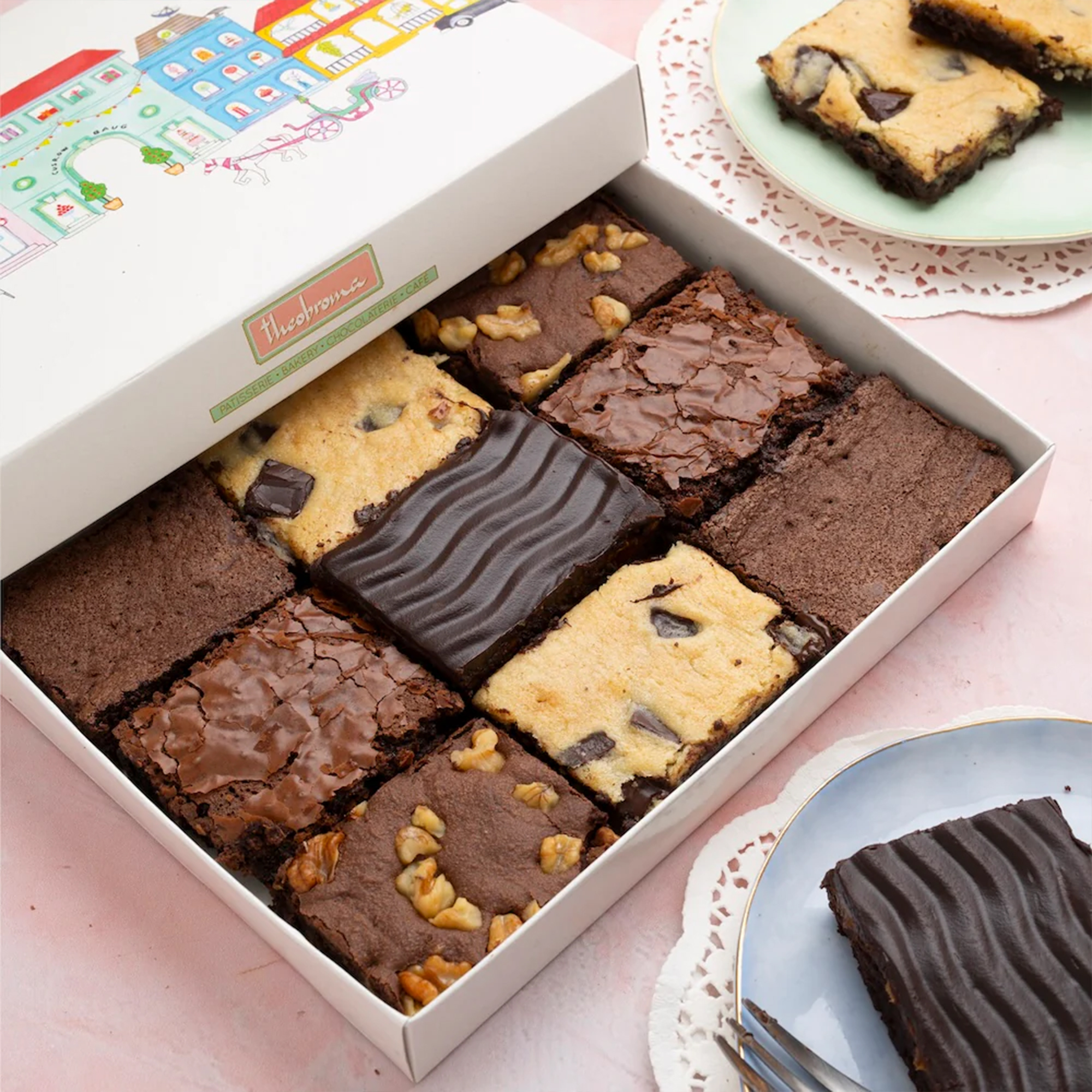
Food Safety and Branding Can Work Together
Some businesses worry that food-safe packaging will look plain or limit creative design. In practice, that does not have to be the case.
Modern Custom Dessert Boxes can combine strong branding with carefully selected packaging materials. You can still use custom colors, logos, typography, product windows, seasonal graphics, and premium finishing while keeping the packaging structure appropriate for the intended food application.
The trick is to make safety part of the design process from the beginning.
Build the Design Around the Dessert
A chocolate truffle does not have exactly the same packaging needs as a dry cookie.
Chocolate can be sensitive to grease and temperature. Cream-filled pastries may require different protection. Dry baked goods may have longer shelf lives but still need protection from moisture and external contamination.
Before designing the box, consider:
- What type of dessert will go inside?
- Will the food touch the packaging directly?
- How oily or fatty is the product?
- How long will it remain inside the box?
- Will it be refrigerated or frozen?
- How will it be transported?
- What storage conditions should the package handle?
These questions help determine whether a simple paperboard structure is enough or whether a barrier layer is needed.
Premium Finishes Need Careful Planning
Foil stamping, UV finishes, varnishes, laminations, and specialty coatings can make Custom Dessert Boxes look more luxurious. But not every decorative treatment is automatically suitable for every food-contact application.
A practical approach is to separate decorative elements from food-contact surfaces whenever possible. If a special finish is required, the packaging supplier should confirm its suitability for the intended structure and use.
Good design is not just about making a box look expensive. It is about making the entire package work.
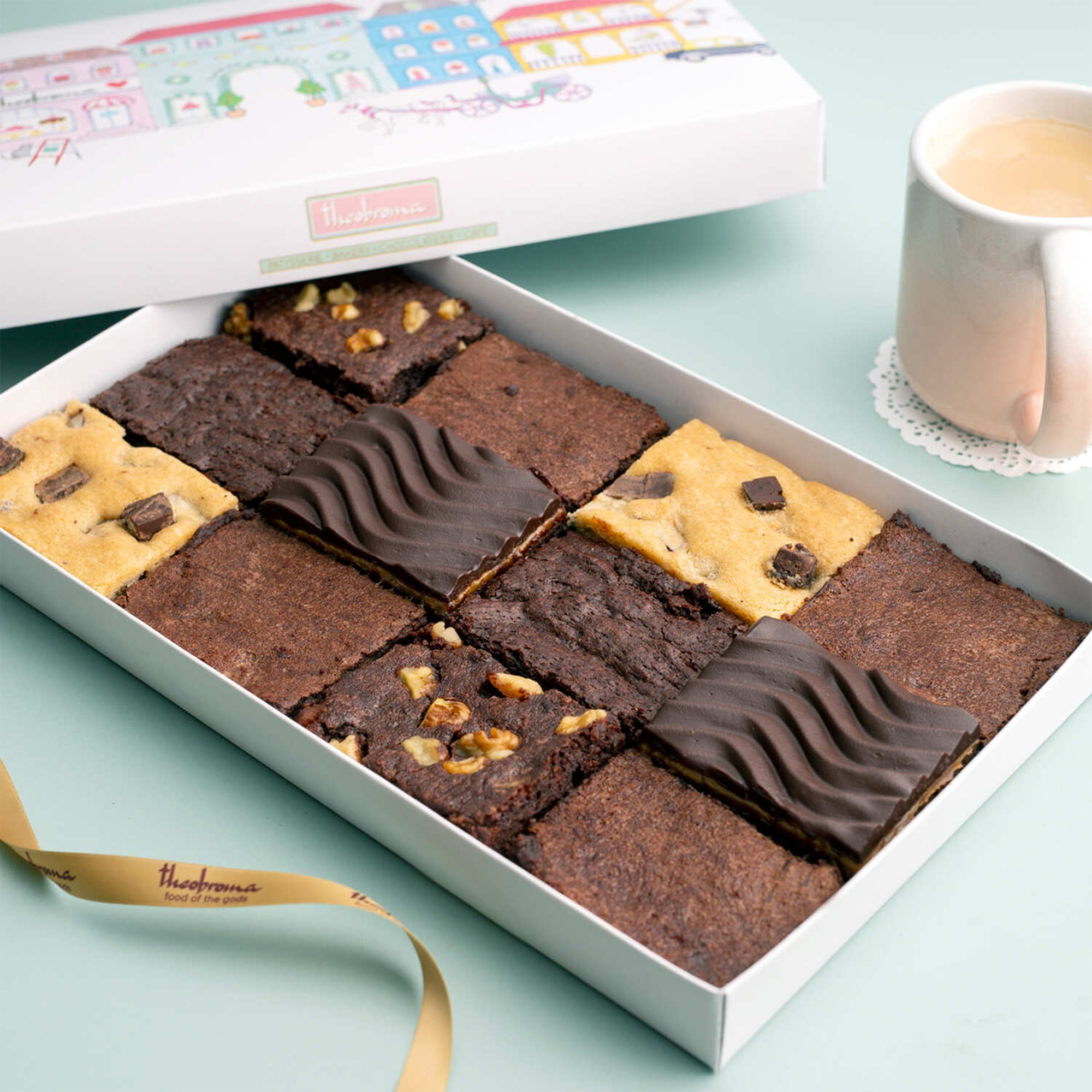
Ask for Material Information
Before placing a large packaging order, ask your supplier for clear information about the paperboard and other materials used in the box.
A professional supplier should be able to explain the material structure and intended application. Depending on the market and product, relevant documentation may include declarations of compliance, technical data, or migration test information.
Do not be afraid to ask detailed questions. Packaging is part of your product, so you have every reason to understand what you are buying.
Ask About Migration Testing
Migration testing can provide useful evidence about whether packaging materials meet applicable food-contact requirements under specified test conditions.
However, one test report does not automatically prove that every possible packaging configuration is safe. The test conditions need to match the intended application as closely as possible.
For example, a package intended for a dry cookie may have different requirements from one used for a fatty chocolate dessert.
Ask About Printing and Adhesives
A box may use several different chemical components during production.
Ask your supplier:
- What printing technology is used?
- Are low-migration inks available?
- What coatings or varnishes are applied?
- What adhesive is used?
- Is the printed surface separated from the food?
- Are finished boxes tested or evaluated for food-contact applications?
Clear answers usually indicate that the supplier understands the requirements of food packaging.
Check the Finished Product, Not Just the Raw Material
A packaging structure can contain several components that interact with one another. That is why finished-package evaluation can be valuable.
For brands ordering Custom Dessert Boxes at scale, it is also sensible to request samples before committing to a large production run. Check the box for odor, surface quality, grease resistance, print performance, structural strength, and overall compatibility with the dessert.
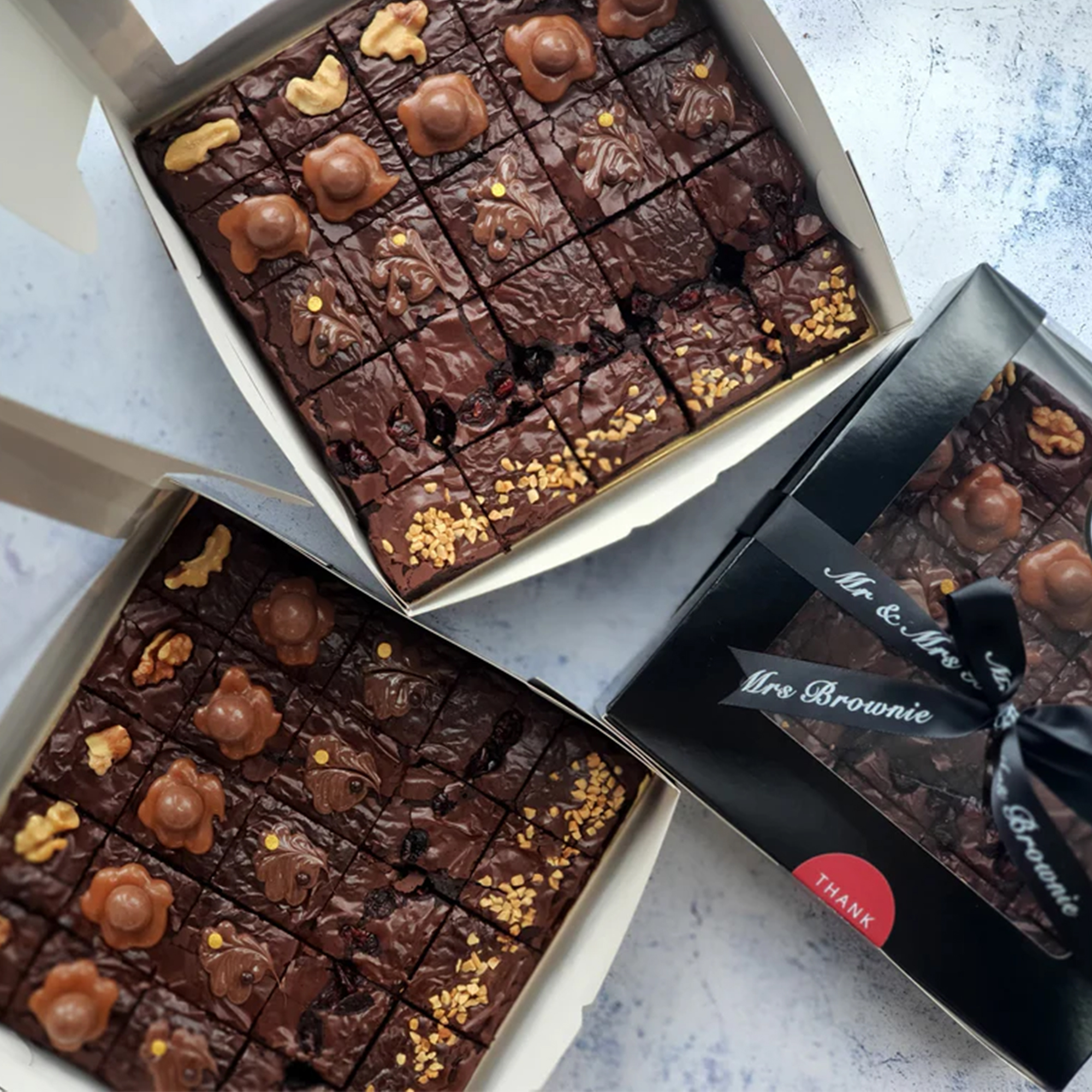
Safety Builds Customer Confidence
Customers may never ask what type of ink was used on their dessert box. They may not know what MOAH means. But they do care about whether the food they buy is safe, fresh, and professionally packaged.
That makes packaging safety a behind-the-scenes part of customer trust.
When a dessert company takes food-contact packaging seriously, it also demonstrates attention to detail. That can support a stronger brand image, especially for premium bakeries, chocolatiers, cafés, and online dessert businesses.
Better Packaging Can Protect Product Quality
Food-contact safety is only one part of the packaging equation.
The right Custom Dessert Boxes can also help protect desserts from crushing, moisture, grease, odors, and handling damage. A well-designed package can keep products looking attractive from the production kitchen all the way to the customer's table.
For online orders, this becomes even more important because the package may travel through several handling points before reaching the final customer.
Safety Can Become Part of Your Brand Story
Consumers increasingly pay attention to how products are made and packaged. While brands should avoid making unsupported “100% safe” or “zero migration” claims, they can communicate responsible packaging practices in a clear and accurate way.
For example, a brand might explain that it uses food-contact-suitable materials, controlled printing processes, or packaging structures designed to minimize migration risks.
That is much more meaningful than simply adding the word “eco” or “safe” to a package.
Choose a Supplier That Understands Food Packaging
At the end of the day, packaging safety depends heavily on the supplier's materials, processes, documentation, and quality controls.
When comparing Custom Dessert Boxes suppliers, look beyond price and printing quality. Consider their experience with food packaging, willingness to provide technical documentation, ability to customize material structures, and understanding of migration requirements.
A supplier that can discuss these topics clearly is more likely to help you build packaging that works both visually and functionally.
A Smarter Approach to Dessert Packaging
MOAH and migration may sound like highly technical packaging topics, but the basic principle is straightforward: the packaging around food should be carefully designed so that it does not introduce unnecessary substances into the product.
For dessert brands, that means looking beyond beautiful graphics and clever box shapes. Paperboard selection, printing inks, coatings, adhesives, barriers, package structure, and finished-product testing can all play a role.
Safety and Design Do Not Have to Compete
The best Custom Dessert Boxes can be attractive, practical, brand-focused, and designed with food-contact considerations in mind.
Instead of treating packaging safety as an afterthought, make it part of the project from day one. Work with suppliers who can explain their materials, provide relevant documentation, and recommend an appropriate packaging structure for your specific dessert.
When good design meets responsible material selection, your dessert boxes can do more than protect a product. They can help preserve quality, support your brand image, and give customers one more reason to trust what is inside.
MOAH-safe Custom Dessert Boxes are packaging solutions designed with food-contact safety and migration control in mind. They can use suitable paperboard, low-migration inks, appropriate coatings, and barrier structures to help reduce the risk of unwanted substances transferring from the packaging into desserts. The exact requirements depend on the type of dessert, contact conditions, and applicable food-contact regulations.
MOAH, or Mineral Oil Aromatic Hydrocarbons, is an important consideration in discussions about food-contact materials. Certain packaging materials, printing components, and recycled paper products may contain substances that require careful control. Using appropriately selected materials and production processes can help dessert brands manage potential migration concerns and meet relevant packaging requirements.
They can be, but suitability depends on the specific materials and construction of the box. Direct food-contact packaging should be designed and evaluated for its intended use, including factors such as the type of dessert, fat content, storage temperature, and contact time. Before ordering Custom Dessert Boxes, brands should ask suppliers for relevant food-contact documentation and, where appropriate, migration test information.
Migration risks can be addressed through several packaging choices. These may include selecting suitable paperboard, using low-migration printing systems, keeping printed surfaces away from the food, and adding appropriate barrier coatings or inner liners. It is also important to consider adhesives, windows, labels, and other components because the finished package is a complete system rather than just a piece of printed cardboard.
Start by asking about the paperboard, inks, coatings, adhesives, and intended food-contact application. You can also request technical documentation, declarations of compliance, or relevant migration testing where applicable. It is a good idea to order samples before a large production run and check the finished boxes for odor, grease resistance, structural strength, print quality, and compatibility with your specific desserts.
Post time: Sep-22-2026


